What Should I Pay Attention To When Buying a Second-Hand / used Bystronic Bystar 3015 6kW CNC Fiber Laser?
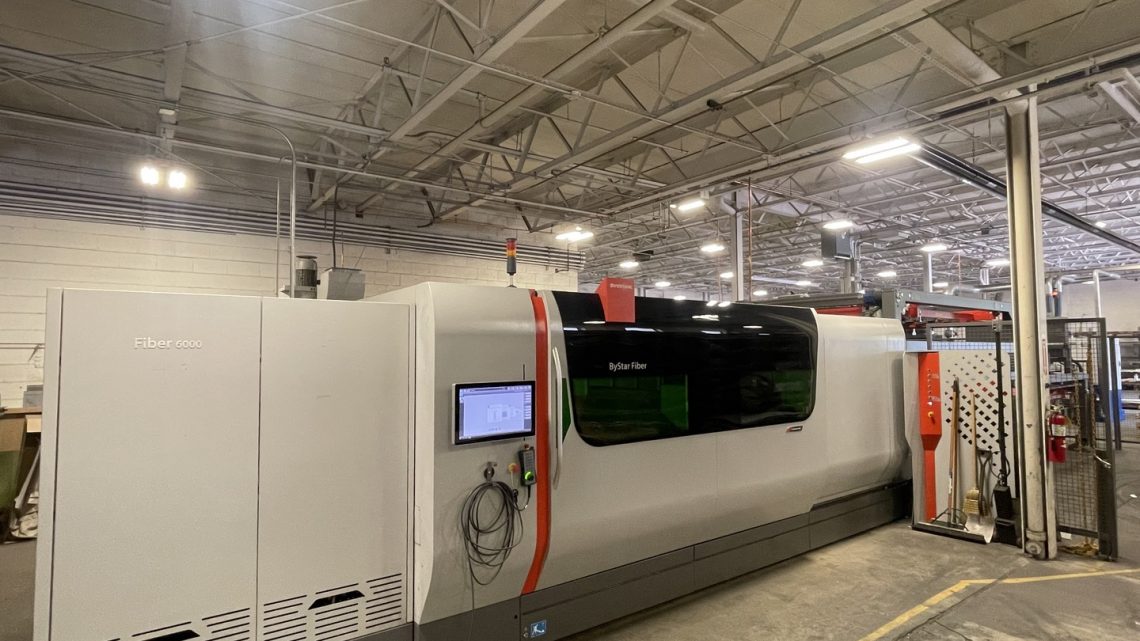
Here are many of the things you should look out for when evaluating a second-hand Bystronic ByStar 3015 6 kW CNC fiber laser cutter, along with questions to ask, red flags, and how to judge whether the asking price is reasonable. If you want, I can make you a printable inspection checklist tailored to your operations.
Key Specs / What “Good” Should Be
First, know what the machine should be capable of, so you can spot when something is degraded or missing. Some published specs for the ByStar 3015 6 kW fiber laser:
| Spec | Typical Value / Published |
|---|---|
| Sheet size (working area) | ~ 3,000 mm × 1,500 mm (5′ × 10′) |
| Laser power (fiber) | 6 kW |
| Max steel sheet thickness | ~ 25 mm for steel; ~ 30 mm for aluminum / stainless in some models |
| Max workpiece / sheet weight | ~ 1,100 kg on the table; with shuttle / extra tables somewhat higher in some configurations |
| Machine dimensions / weight | Very large, many tonnes; the working table & shuttle tables, rails, chiller, dust extraction etc. |
| Auxiliary systems (features you likely want) | Automatic nozzle changer; detection/focusing head; dust extraction; gas supply (oxygen, nitrogen, maybe others); control system; pallet or shuttle tables in some units. |
Knowing these helps you check whether the used machine still can meet your production needs, or what compromises might be involved.
What to Inspect / Test Before Buying
Because fiber lasers are complex systems with optical, mechanical, electrical, cooling, and gas systems, many things can cost you downstream. When on-site (or via good video/documentation), check the following:
| Component / System | What to Examine / Test | What Problems to Look For |
|---|---|---|
| Laser Source / Generator | • Hours of operation on the fiber laser source. Ask for usage logging. • Does the power output still reach rated 6 kW? Under load, at rated settings. • Cleanliness and condition of cooling to the source (fiber, pump diodes etc.). • Check for degradation of beam quality, possible drift, instability. • Check for error/warning logs in the laser generator: are there recurring faults or thermal shutdowns? | Laser sources degrade over time; “laser diode life”, dust or misalignment can reduce output, reduce beam quality, increase gas usage. A worn source may need expensive replacement or refurbishment. |
| Cutting Head, Optics & Nozzle System | • Inspect the cutting head: alignment of optics, condition of protective / focusing lens, mirrors (if any), sensors. • Condition of nozzle, ceramic parts, protective windows. Are these consumable parts regularly replaced? • Is the automatic nozzle changer working properly? • Check the head’s autofocus or detection system (if present), and whether sensors (e.g. edge detection, focus sensors) are accurate. • Gas supply to the head: pressure lines, seals, sensor cables, any leaks. | Worn optics / mirrors or misaligned optics degrade cut quality, cut width, edge finish. Damaged or dirty lenses cause loss of power or even damage to internal components. Nozzle wear causes poor cuts, more dross, wasted gas. Sensor/edge detection problems cause mis-focus or bad holes/slits. |
| Mechanical Motion Systems (Rails, Drives, Gantry) | • Move X, Y (and Z if applicable) through full travel; observe smoothness, lack of binding; check for vibration. • Check linear rails / guideways for wear, rust, scoring; check lubrication, covers/protection. • Check backlash, positional repeatability. • Test shuttle or dual table systems (if equipped): positioning, swapping times, whether alignment holds when tables swap. • Check gantry stiffness: under cutting load, does motion stay true or is there flex? | Wear of rails or guideways increases vibration, error in cuts especially at high speed or thick material. Backlash reduces precision. Misalignment or sway in gantry shows up in poor edge quality or tolerance issues. Tables can lose alignment over time. |
| Gas System | • Inspect gas supply infrastructure: oxygen, nitrogen (and maybe other assist / purge gases). • Check purity of gases (if known), condition of regulators, flow meters, pressure sensors. • Audit for leaks in hoses, fittings. • Check whether inert gas cut / oxygen cut switching (if used) works. • Check assist gas nozzles. | Poor gas supply leads to poor cut quality, dross, slag, burned or melted edges. Gas leaks waste expensive gas. Regulatory or safety issues if gas lines are improperly maintained. |
| Cooling / Thermal Management | • Cooling system for laser source, cutting head (often water-cooled), chiller(s): verify they are working, clean, with correct flow, no leaks. • Temperature stability: does the machine operate in stable ambient conditions? Does thermal drift affect alignment or motion? • Heat load from motors, lasers etc.: are fans working, enclosures ventilated? • Water quality, filters, coolant condition (if used) to avoid corrosion or scaling. | Overheating damages optics or laser diodes. Poor cooling may cause failures or shorter component life. Thermal drift degrades precision especially over long continuous cutting jobs. |
| Electrical / Control / CNC / Software | • Control panel and software version: is it up to date / supported? Are patches, firmware updates available? • Motion control drives: amps, VFDs, servo motors — test under load. • Wiring: look for burned insulation, loose connectors, signs of overheating or moisture ingress. • Safety interlocks, enclosures, emergency stops in working order. • CNC / UI / OS logs: are there error codes / fault history? • Network / interface capabilities (file transfer, monitoring, remote support if needed). | Control/software issues can be expensive to fix. Obsolete or deprecated software may be unsupported. Electrical problems might lead to machine downtime or unsafe condition. Bad wiring or overheated components are risky. |
| Consumables, Maintenance History & Wear Items | • How often have consumables been changed: lenses, nozzles, sensors, protective windows. • Maintenance schedule for optics alignment, mirror cleaning (if applicable), filters, gas lines. • How many cutting hours at heavy work (thick steel, stainless, etc.) vs light work. • Condition of dust extraction or fume / smoke removal systems: filters, fans, ducts. • Condition of cutting table/slats or bed; are there signs of warp or damage from heat, slag, sharp edges. | If consumables are neglected, cutting quality suffers, maintenance cost increases. Heavy use on thick or difficult materials stresses machines more. Poor extraction leads to dirty optics, corrosion, safety risks. Table damage can reduce flatness or cause alignment issues. |
| Cutting Performance / Test Cuts | • If possible, run test cuts with the kinds of materials and thicknesses you expect to process. Check edge quality, dross, kerf width, taper, squareness of cut edges. • Test small features, slots, holes, fine contours to test precision. • Try cuts near the edges of the working envelope. • Check consistency / repeatability over multiple sheets or jobs. • Evaluate cutting speed vs path, acceleration, whether reported speeds are achievable. | Even if the specs look good, the actual performance under load is the true test. Cuts that are slow, tapered, burned edges, or inconsistent across the sheet suggest wear or misalignment somewhere. |
| Dust / Fume Extraction and Environment | • Check that extraction / filtration system is in good condition; fans, filters, smoke-fume handling. • Inspect whether there’s build up of dust, metal particles in optics, rails, machinery. • Shop/environment temperature control (extremes or rapid change affect beam path/optics). • Maintenance of safety systems (guards, interlocks etc.) in place. | Poor extraction leads to dirty optics, more frequent cleaning, reduced laser life. Environmental extremes degrade alignment or cause warping. Dust buildup can also reduce safety and cause machine faults. |
| Spare Parts / Support / Documentation | • Are source parts (laser source, optics, mirrors, cutting head) still available and at what cost? • Is there local Bystronic service / aftermarket support in your region? • Are software licenses / control software versions up to date; transmission or re-licensing issues? • Is documentation (manuals, parts lists, alignment tools) included? • Are any special optional modules included: auto nozzle changer, detection eye, power cut, etc.; are they functional? | If parts are hard to get or very expensive, downtime or repairs will cost you. Missing documentation makes repairs and maintenance slower/more error-prone. Optional modules often cost extra; if broken or missing you lose productivity or have to invest to restore. |
| Installation / Utilities / Facility Fit | • Power supply: check that power requirements (voltage, phase, amps) match your facility. 6 kW machine + cooling/etc. may require strong power supply. • Gas supply infrastructure (oxygen, nitrogen, etc.), and quality of gas (purity) needed. • Floor strength, foundation, space: size of machine, clearance for load/unload, maintenance, optics servicing. • Cooling water supply, temperature control; water quality (if water cooling used). • Safety / exhaust ventilation; compliance with local environmental / safety regulations. • Transport cost, disassembly/assembly, alignment after move. | Even a good machine can run poorly if utility / facility is weak. Poor gas or water supply leads to degraded cuts or equipment damage. Improper setup causes misalignment. Safety or environmental non-compliance can block use or cause fines. |
Questions to Ask the Seller
To help you gather the info that matters, here are good questions:
- How many total cutting hours? And separately, how many hours at full / heavy load (thick steel, long cuts)?
- What materials have been cut most often? (Steel, stainless, aluminum, copper etc.) Has there been a lot of “tough” or reflective metals?
- When was the laser source last serviced or replaced (if ever)? Any beam quality measurements or tests done regularly?
- Are consumables (nozzles, lenses, protective windows, sensors) replaced regularly? How many hours on current ones?
- What’s the condition of optics (protective lens, focusing lens etc.)? Are there scratch / micro-cracks / coating damage?
- Is the automatic nozzle changer functioning correctly? Are all nozzles present and in good shape?
- What is the condition of mechanical motion: rails, guides, shuttle tables, gantry etc.? Any known binding or play?
- How is the gas supply lines, regulators, sensors? Any leaks or pressure problems?
- Is the cooling / chillers / water supply working correctly? Are the water quality, flow, temperature stability good?
- What is the control software version; are there any known firmware or control issues? Are operator logs available?
- What condition is the dust / fume / smoke extraction system; are filters clean; is there accumulation of metal dust in optics or motion components?
- Are there alignment / test cut reports you can see: cut quality, edge definition, accuracy, repeatability?
- What parts / accessories are included (extra cutting heads, spare nozzles, gas supplies, filters, software modules etc.)?
- What is the relocation / transport cost; is the machine level and aligned now; was it moved recently?
Red Flags / Warning Signs
If you observe any of these, either negotiate heavily or walk away (unless the price reflects the cost to fix). These tend to cause major maintenance downtime or large hidden costs.
- Laser source power significantly less than rated, or large drift / instability.
- Optics in poor condition: scratched/burned lenses or mirrors, protective windows heavily worn or cracked.
- Nozzle / head misalignment; nozzle changer broken or consistently mis-using nozzles.
- Bad or worn linear guides / motion components: binding, jerky motion, large backlash.
- Gas system leaks, regulators faulty, gas purity low.
- Cooling/chiller failure or inefficiency; frequent overheating.
- Control software deprecated, unsupported, or lots of error/fault history.
- Dust or slag buildup in critical areas; optics very dirty, fume extraction poor.
- Poor facility support: weak power, unstable gas supply, water quality issues.
- Missing spare / consumables; missing or damaged parts that are expensive to replace.
Assessing Value vs Price
When evaluating a quote for a used ByStar 3015 6 kW, consider:
- How many of the “wear item” replacements will you need immediately (optics, nozzles, filters, rails, cooling, gas regulator etc.).
- What your material mix & thickness is: if you often cut near the upper limits, you’ll put more wear, need more gas/assist cooling etc.
- The cost of transport, installation, alignment, setup in your facility. These machines are heavy, large, need strong foundations.
- The cost of ownership: gas usage, power, maintenance, consumables.
- Whether features / accessories included reduce your extra cost (e.g. auto nozzle changer, detection head, spare optics, extra tables or shuttle, extraction / filtration).
- Remaining useful life of the parts that matter (laser source, optics, motion systems). A machine that is well-maintained and has moderate hours might be greatly more valuable than one with many hours and deferred maintenance.