What is Flat Conveyor Belts?
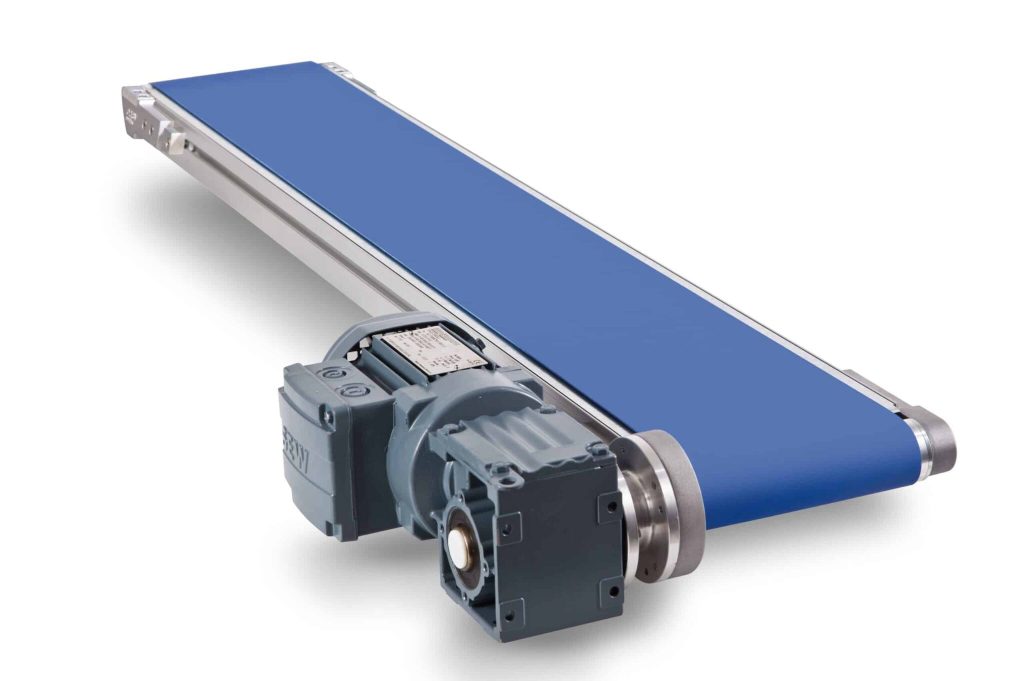
Flat conveyor belts are continuous loops of material used to transport goods or materials from one point to another in various industrial and commercial applications. They are a fundamental component of conveyor systems, designed to move items efficiently across a flat or slightly inclined surface. Below is a technical explanation of flat conveyor belts, covering their design, components, operation, and applications.Definition and PurposeA flat conveyor belt is a type of conveyor system where a flat, flexible belt forms a continuous loop, driven by pulleys or rollers, to transport items such as raw materials, finished products, or packages. The belt moves over a series of rollers or a solid bed, providing a stable surface for the items being conveyed. These systems are widely used in manufacturing, logistics, food processing, mining, and other industries for their simplicity, reliability, and versatility.Components of a Flat Conveyor Belt System
- Belt Material:
- The belt itself is typically made from materials like rubber, PVC (polyvinyl chloride), polyurethane, fabric (e.g., polyester or nylon), or metal mesh, depending on the application.
- Material choice is based on factors such as load weight, environmental conditions (e.g., temperature, moisture, chemicals), and required durability.
- For example, food-grade belts use FDA-approved materials like polyurethane, while heavy-duty applications like mining may use rubber or reinforced fabric belts.
- Drive Pulley:
- The drive pulley, connected to a motor, provides the force to move the belt. It is typically located at one end of the conveyor (head pulley).
- The motor can be electric, hydraulic, or pneumatic, with power requirements calculated based on load, belt speed, and conveyor length.
- Idler Rollers:
- Idler rollers support the belt along its length, reducing friction and maintaining alignment.
- They are spaced at regular intervals and can be flat or troughed (for bulk materials) to prevent spillage.
- Tail Pulley:
- Located at the opposite end of the drive pulley, the tail pulley helps guide the belt back to the starting point, maintaining tension and alignment.
- Belt Tensioning System:
- A tensioning mechanism (e.g., screw adjusters or gravity take-ups) ensures the belt remains taut, preventing slippage or misalignment during operation.
- Frame and Support Structure:
- The conveyor frame, typically made of steel or aluminum, supports the belt, rollers, and pulleys. It is designed to withstand the load and operational stresses.
- Drive System:
- The drive system includes a motor, gearbox, and couplings to transmit power to the drive pulley. Variable frequency drives (VFDs) may be used to control belt speed.
- Accessories:
- Additional components like side guides, cleats, or skirts may be added to prevent material spillage or to guide items.
- Sensors, such as photoelectric or proximity sensors, can be integrated for automation and safety.
Technical Specifications
- Belt Width: Varies from a few inches (e.g., 4 inches for small parts) to several feet (e.g., 60 inches for bulk materials like coal).
- Belt Speed: Typically ranges from 10 to 600 feet per minute (fpm), depending on the application. For example, high-speed sorting systems may operate at 300–600 fpm, while heavy material conveyors run slower (50–100 fpm).
- Load Capacity: Determined by belt strength, roller spacing, and motor power. Capacities can range from a few pounds to several tons per meter.
- Incline Angle: Flat conveyor belts are typically horizontal but can handle inclines up to 15–20° with cleated or textured belts to prevent material rollback.
- Belt Tracking: Proper alignment is critical to prevent belt drift. Tracking systems, such as crowned pulleys or automatic tracking rollers, ensure the belt stays centered.
Operating Principle
- The motor powers the drive pulley, which rotates and pulls the belt along its path.
- The belt moves over idler rollers or a slider bed, carrying the load from the loading point to the discharge point.
- Tensioning systems maintain consistent belt tension to prevent slippage.
- The return side of the belt travels back to the starting point, supported by return rollers.
Types of Flat Conveyor Belts
- General Purpose Belts:
- Used for light to medium-duty applications, such as packaging or assembly lines.
- Materials: PVC, rubber, or fabric.
- Modular Belts:
- Made of interlocking plastic pieces, offering flexibility and easy maintenance.
- Common in food processing due to their cleanability.
- Cleated Belts:
- Feature raised sections (cleats) to prevent material rollback on inclined conveyors.
- Heavy-Duty Belts:
- Reinforced with materials like steel cords or aramid fibers for mining or bulk material handling.
- Specialty Belts:
- Designed for specific conditions, such as high-temperature belts for ovens or oil-resistant belts for chemical industries.
Applications
- Manufacturing: Moving parts along assembly lines (e.g., automotive, electronics).
- Logistics: Sorting and transporting packages in warehouses or distribution centers.
- Food Processing: Conveying food items in hygienic conditions (e.g., bakery or meat processing).
- Mining and Quarrying: Transporting bulk materials like coal, ore, or gravel.
- Agriculture: Handling grains, seeds, or produce.
- Recycling: Moving waste materials for sorting and processing.
Advantages
- Simple design, easy to install and maintain.
- Versatile for a wide range of materials and industries.
- Cost-effective for short to medium distances.
- Can be automated with sensors and controls for efficiency.
Limitations
- Limited incline capability compared to other conveyor types (e.g., bucket conveyors).
- Susceptible to wear and tear, especially with abrasive materials.
- Requires regular maintenance to ensure belt alignment and tension.
Maintenance Considerations
- Belt Inspection: Regularly check for wear, tears, or stretching.
- Tension Adjustment: Ensure proper tension to avoid slippage or excessive strain on the motor.
- Roller and Pulley Maintenance: Lubricate bearings and check for misalignment.
- Cleaning: Especially critical in food or pharmaceutical applications to prevent contamination.
Advanced Features (Modern Systems)
- Automation: Integration with PLCs (Programmable Logic Controllers) for automated sorting, stopping, or speed control.
- Energy Efficiency: Use of low-friction materials or energy-saving motors.
- Smart Sensors: Detect jams, overloads, or belt misalignment in real-time.