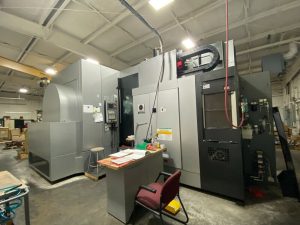
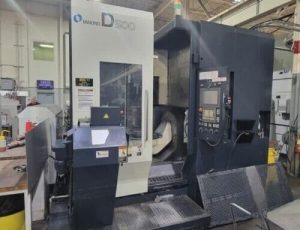
What is Depaneling Machine?
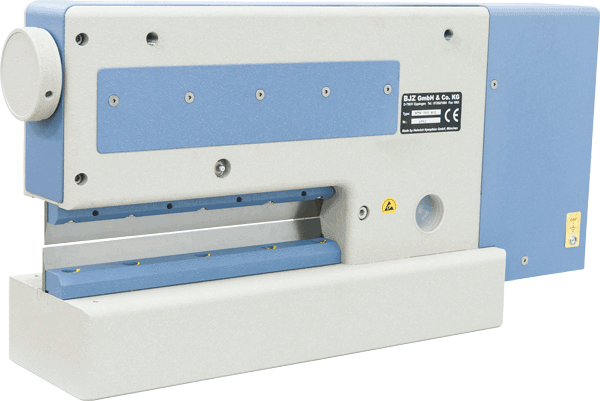
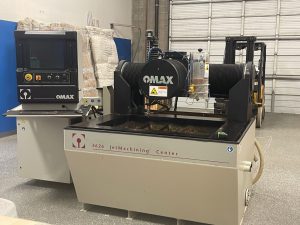
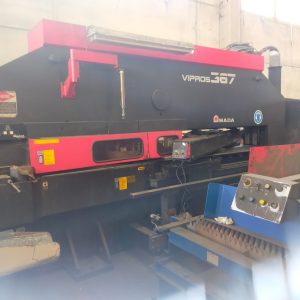
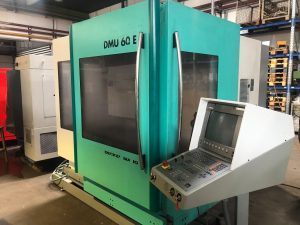
A depaneling machine is a precision equipment used in the electronics manufacturing industry to separate individual printed circuit boards (PCBs) from a larger production panel (also called a “mother panel” or “array”). In high-volume PCB assembly, multiple boards are fabricated on a single panel for manufacturing efficiency, and the depaneling machine performs the final separation process with accuracy and minimal stress to the boards.
How It Works Technically
- Panel Handling
- The PCB panel is fixed into a workholding fixture or clamped into a conveyor-based system.
- Some systems use vision alignment cameras to automatically detect fiducial marks for precise positioning.
- Cutting Methods
Different depaneling machines employ different technologies:- Routing (Milling): High-speed spindle with carbide router bits removes the material along predefined cut paths.
- Laser Cutting: UV or CO₂ lasers ablate the substrate, providing high precision and stress-free cutting, especially for fine-pitch PCBs.
- Punching (Die Cutting): A custom die tool punches out multiple PCBs at once – fast but less flexible.
- Sawing / V-scoring: Circular saw blades or pre-scored V-grooves are used for straight-line separation.
- Dust and Stress Control
- Vacuum extraction removes routing dust or laser debris.
- Force sensors or low-stress cutting algorithms ensure that mechanical stress on PCB traces and solder joints is minimized, which is critical for reliability.
- Automation & Integration
- Advanced depaneling machines are CNC-controlled, programmable, and can be integrated into a SMT (surface-mount technology) production line.
- Features such as robotic board handling, inline conveyors, barcode scanning, and MES (Manufacturing Execution System) connectivity are common in modern depaneling systems.
Applications
- Consumer electronics (smartphones, tablets, wearables).
- Automotive electronics (control units, sensors, lighting modules).
- Medical devices (implant controllers, diagnostic PCBs).
- Aerospace and industrial electronics requiring high reliability.
Technical Advantages
- Precision: Micron-level accuracy with laser and routing methods.
- Low Stress: Prevents cracks in solder joints, components, or PCB laminate.
- Flexibility: CNC-programmable paths allow quick changeovers between PCB designs.
- Cleanliness: Dust collection systems keep assemblies clean and production-safe.
- Throughput: Inline depaneling supports high-volume automated electronics production.
Conclusion:
A depaneling machine is a critical post-assembly process tool in electronics manufacturing, designed to separate individual PCBs from panels with maximum precision, minimum mechanical stress, and high repeatability. Its selection (laser, router, punch, or saw-based) depends on the PCB design, volume, and stress tolerance requirements.