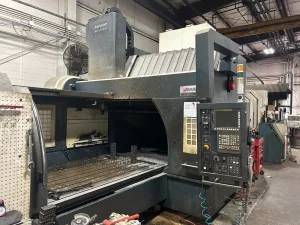
What is Cold Header Rivet Production Machine?
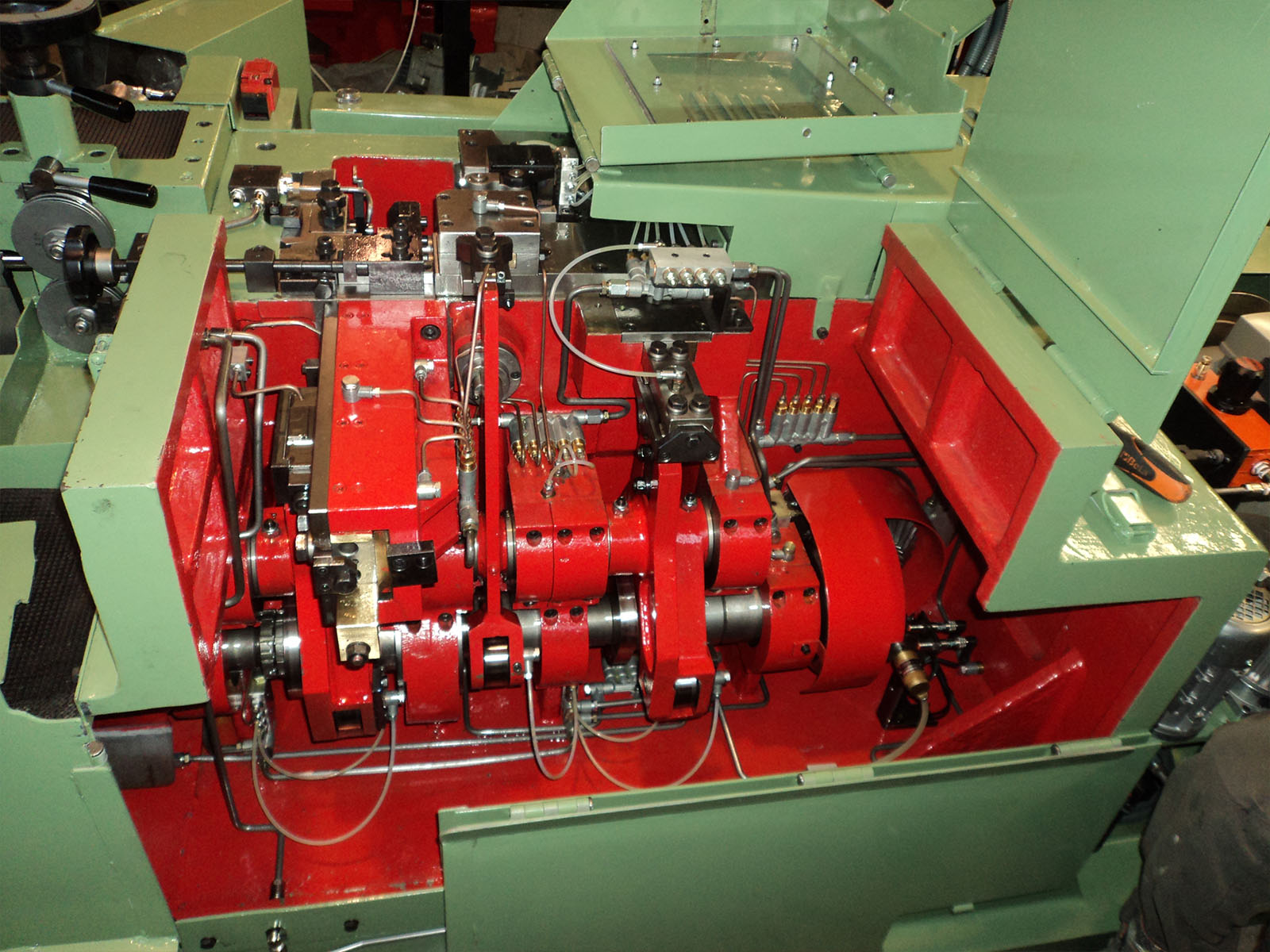
A Cold Header Rivet Production Machine is a specialized piece of equipment used in the manufacturing process of rivets through a process known as cold heading or cold forging. This machine shapes metal wire or rod stock into rivets or other fasteners at or near room temperature, without the application of heat, utilizing high-pressure mechanical forces to deform the material into the desired shape. Below is a technical explanation of the machine, its components, working principles, and applications.
What is Cold Heading?Cold heading (also known as cold forming) is a metal-forming process where a metal blank (typically wire or rod) is shaped by forcing it into dies and punches under high pressure at room temperature. The process is highly efficient for producing fasteners like rivets, bolts, screws, and pins, as it minimizes material waste, enhances part strength through work hardening, and allows for high-speed production with precise tolerances.
Cold heading is particularly suited for creating rivets, which are fasteners with a head on one end and a shank that can be deformed to join materials. Rivets produced this way include solid, semi-tubular, and tubular types, used in industries like automotive, aerospace, construction, and electronics.
Components of a Cold Header Rivet Production MachineA cold header rivet production machine is a sophisticated piece of equipment with several key components that work together to produce high-quality rivets. These components include:
- Wire Feeder:
- Feeds continuous metal wire (e.g., steel, aluminum, brass, copper, or stainless steel) into the machine from a coil.
- The wire is straightened and cut to a precise length (blank) that corresponds to the volume needed for the final rivet.
- Cutting Mechanism:
- A shear or cutting tool slices the wire into blanks of predetermined length. The precision of this cut ensures the correct volume of material for forming the rivet without waste.
- Dies and Punches:
- Dies: Metal molds that define the shape of the rivet, including the head and shank. Dies can be single or multi-station, depending on the complexity of the part.
- Punches: Apply high compressive force to deform the blank into the die cavity, forming the head or other features of the rivet.
- Multi-station machines (e.g., 1-die 2-blow or 5-die 5-blow) use progressive dies to shape the blank through multiple stages for complex geometries.
- Transfer Mechanism:
- In multi-station headers, a transfer system (e.g., fingers or grippers) moves the blank between stations for sequential forming operations. This ensures precise positioning and continuous production.
- Press System:
- The core of the machine, typically a mechanical or hydraulic vertical press, delivers the force (often exceeding 100,000 psi) to deform the metal. The press can be single-stroke or multi-stroke, depending on the machine design.
- Lubrication System:
- Applies a lubricant to the wire or blank to reduce friction during forming, minimizing wear on dies and punches and improving surface finish. Unlike screw machining, cold heading uses minimal lubricant, reducing waste.
- Control System:
- Modern machines incorporate computer numerical control (CNC) or programmable logic controllers (PLCs) to ensure precision, repeatability, and automation. These systems regulate feed rates, cutting, and forming operations.
- Ejection System:
- Removes the finished rivet from the die after forming, preparing the machine for the next cycle.
- Optional Features:
- Some machines include secondary operation capabilities like threading, knurling, or trimming, integrated into the process to reduce post-processing.
Working Principle of a Cold Header Rivet Production MachineThe cold header rivet production machine operates through a series of steps to transform raw wire into finished rivets:
- Wire Feeding:
- Metal wire (e.g., aluminum, brass, steel, or stainless steel) is fed from a coil into the machine. The wire’s diameter and material properties are chosen based on the rivet specifications.
- Cutting the Blank:
- The wire is cut into a precise length (blank) using a shearing mechanism. The blank’s volume is calculated to match the final rivet’s geometry, ensuring minimal or no material waste.
- Forming the Rivet:
- The blank is transferred into a die, where one or more punches apply high compressive force to deform the metal. The process typically involves:
- Heading: Forming the head of the rivet by upsetting (compressing) one end of the blank. For example, a 1-die 2-blow machine uses two punches in a single die to shape the head in stages.
- Shank Formation: The body of the rivet (shank) is shaped, either as a solid, semi-tubular (with a partial hole), or tubular (fully hollow) rivet, depending on the die design.
- Multi-station machines perform progressive forming, where the blank moves through multiple dies to create complex shapes, such as semi-tubular rivets or bi-metallic contacts.
- The blank is transferred into a die, where one or more punches apply high compressive force to deform the metal. The process typically involves:
- Work Hardening:
- As the metal is deformed, its grain structure is compressed and aligned, increasing tensile strength through work hardening. This enhances the rivet’s durability without requiring heat treatment, though annealing may be used post-forming to restore ductility if needed.
- Ejection and Finishing:
- The formed rivet is ejected from the die. Depending on the application, secondary operations like threading, plating (e.g., zinc, nickel, or silver), or cleaning may be performed, either in-line or separately.
- Quality Control:
- Machines often integrate optical sorters or roll sorting to detect defects, ensuring high precision and consistency. Tolerances as tight as ±0.025 mm for diameters and ±0.125 mm for lengths are achievable.
Types of Cold Header Rivet MachinesCold header machines vary based on the complexity of the rivet and production requirements. Common types include:
- Single Die, Single Blow (1D1B):
- Used for simple rivets with minimal forming steps. Suitable for low-complexity, high-volume production.
- Single Die, Double Blow (1D2B):
- Employs two punches in a single die to form the head in two stages, improving precision for semi-tubular or solid rivets.
- Multi-Station Headers (e.g., 3-die, 5-die):
- Progressive forming machines with multiple dies and punches for complex rivets, such as bi-metallic contacts or specialty fasteners. These are ideal for high-volume, intricate parts.
- Bi-Metal Rivet Machines:
- Specialized for producing bi-metallic rivets (e.g., silver-copper contacts) used in electrical switches or relays. These machines handle multiple materials simultaneously.
- Tubular/Semi-Tubular Rivet Machines:
- Designed for rivets with hollow or partially hollow shanks, used in applications requiring deformation during installation.
Technical Advantages of Cold Header Rivet Production Machines
- Material Efficiency:
- Cold heading produces little to no scrap (unlike screw machining, which can waste up to 70% of material), reducing costs and environmental impact.
- High Strength:
- Work hardening during forming increases the tensile strength of rivets, making them ideal for high-stress applications like bridges, aircraft, and automotive assemblies.
- High-Speed Production:
- Capable of producing 70–1,000 parts per minute, depending on the machine and part complexity, far surpassing screw machining (6–20 parts per minute).
- Precision and Consistency:
- Tight tolerances (e.g., ±0.025 mm) ensure consistent quality, critical for industries like aerospace and electronics.
- Tight tolerances (e.g., ±0.025 mm) ensure consistent quality, critical for industries like aerospace and electronics.
- Cost-Effectiveness:
- Reduced material waste, lower energy consumption (no heat required), and minimal secondary operations lower production costs by up to 40% compared to machining.
- Versatility:
- Can process a variety of materials (e.g., steel, stainless steel, aluminum, brass, copper) and produce complex shapes, including custom and non-standard rivets.
- Environmental Benefits:
- Minimal energy use and waste make cold heading a sustainable manufacturing process.
Disadvantages and Challenges
- High Initial Costs:
- Requires significant investment in tooling and machine setup, especially for complex parts, though this is offset by high-volume production savings.
- Material Limitations:
- Not all metals are suitable for cold heading due to ductility requirements. Brittle materials may crack under high pressure.
- Residual Stress:
- Cold forming can introduce residual stresses, which may require annealing to relieve.
- Tool Wear:
- High forces necessitate robust dies and punches, which may wear over time and require maintenance.
Applications of Rivets ProducedCold header rivet production machines are used to manufacture rivets for a wide range of industries, including:
- Automotive: Fasteners for vehicle frames, seats, and alternators.
- Aerospace: High-strength rivets for aircraft structures.
- Construction: Rivets for bridges, buildings, and heavy machinery.
- Electronics: Bi-metallic contacts for switches and relays.
- Industrial: Fasteners for storage racks, furniture, and appliances.
Example Machines and Manufacturers
- Harbin Rainbow Technology Co., Ltd.: Offers machines like the RBF85S M8 Bolt Making Machine and bi-metal rivet machines.
- Ronen®: Specializes in tubular rivet cold heading machines with high precision and low maintenance.
- Ningbo Anchors Precision Machinery: Produces high-speed machines for screws, rivets, and bi-metallic contacts.
- Fastco Industries: Manufactures custom rivets with advanced multi-station headers.
ConclusionA cold header rivet production machine is a high-efficiency, precision tool for manufacturing rivets through cold forging. By deforming metal wire at room temperature using dies and punches, it produces strong, precise fasteners with minimal waste. Its ability to handle various materials, achieve tight tolerances, and operate at high speeds makes it indispensable for industries requiring reliable, cost-effective fasteners. While initial costs and material limitations pose challenges, the process’s advantages in strength, efficiency, and sustainability make it a cornerstone of modern fastener production.