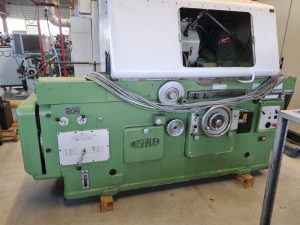
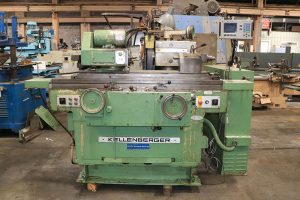
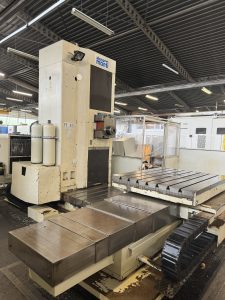
What is Circular Sawing Machine?
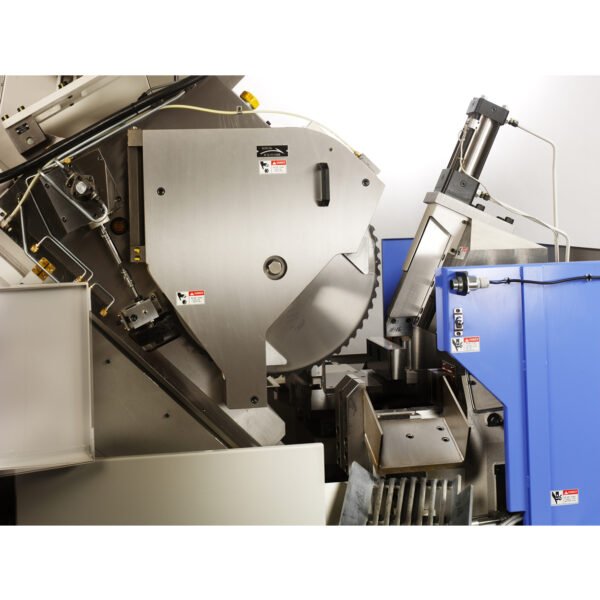
A Circular Sawing Machine in the context of the sheet metal sector is a precision cutting tool designed to cut sheet metal, plates, or profiles using a rotating circular blade. These machines are widely used in metalworking industries for their efficiency, accuracy, and ability to handle various metal types, including steel, aluminum, stainless steel, and other alloys. Below is a technical explanation tailored to the sheet metal sector:Key Components of a Circular Sawing Machine
- Circular Blade:
- The primary cutting tool, typically made of high-speed steel (HSS), carbide-tipped, or cermet materials to withstand the hardness of metals.
- Blade diameter varies (e.g., 200–500 mm) depending on the machine and material thickness.
- Teeth geometry is optimized for metal cutting, with specific tooth pitches and coatings (e.g., TiN or TiAlN) to reduce wear and heat buildup.
- Motor and Drive System:
- A high-torque electric motor (typically 1–15 kW, depending on the machine) drives the blade at variable speeds (e.g., 10–200 RPM) to suit different metals and thicknesses.
- Variable frequency drives (VFDs) allow precise control of blade speed for optimal cutting performance.
- Workholding System:
- Includes clamps, vises, or pneumatic/hydraulic fixtures to securely hold sheet metal during cutting.
- Ensures minimal vibration and movement, critical for precision cuts in thin or delicate sheets.
- Feed Mechanism:
- Controls the rate at which the blade advances into the material.
- Can be manual, semi-automatic, or fully automatic (CNC-controlled) for consistent cuts in high-volume production.
- Cooling/Lubrication System:
- Uses coolant (e.g., water-based emulsions or minimum quantity lubrication) to reduce heat and friction, preventing thermal distortion of sheet metal and extending blade life.
- Essential for cutting high-strength alloys or thicker sheets.
- Frame and Base:
- A rigid, vibration-dampening structure (often cast iron or welded steel) to ensure stability and precision during high-speed cutting.
- Control System:
- Modern machines feature CNC or PLC controls for programmable cutting parameters (e.g., speed, feed rate, and cut length).
- Allows automation for repetitive tasks in sheet metal fabrication.
Types of Circular Sawing Machines for Sheet Metal
- Manual Circular Saws:
- Operator-controlled, suitable for small-scale or custom sheet metal work.
- Limited to low-volume production due to manual feed and setup.
- Semi-Automatic Circular Saws:
- Feature automated blade feed or workpiece positioning, reducing operator effort.
- Ideal for medium-scale sheet metal cutting with consistent results.
- Fully Automatic (CNC) Circular Saws:
- Designed for high-volume production in the sheet metal sector.
- Programmed for precise cuts, angles, and batch processing, minimizing waste and maximizing throughput.
- Cold Saws:
- Specifically designed for metal cutting, operating at lower RPMs to minimize heat generation.
- Preferred for sheet metal to avoid thermal distortion and maintain material properties.
- Abrasive Saws:
- Use abrasive discs for cutting harder metals or thicker sheets.
- Less common in precision sheet metal work due to rougher cut edges.
Technical Operation in Sheet Metal Cutting
- Cutting Process:
- The circular blade rotates at a controlled speed, engaging the sheet metal to remove material via shearing or chip formation.
- The blade’s teeth cut through the metal, producing a clean, burr-free edge when properly configured.
- Cutting parameters (speed, feed rate, and depth of cut) are adjusted based on material thickness (e.g., 0.5–10 mm for sheet metal), alloy type, and desired finish.
- Material Considerations:
- Mild Steel: Requires moderate blade speeds and standard HSS or carbide blades.
- Stainless Steel: Needs slower speeds and specialized blades (e.g., carbide-tipped with anti-friction coatings) due to its hardness and heat sensitivity.
- Aluminum: Higher speeds are used with blades designed to prevent material buildup on teeth.
- Thin Sheets: Require precise clamping and low-vibration setups to avoid warping or tearing.
- Precision and Tolerances:
- Modern circular saws achieve tolerances as tight as ±0.1 mm, critical for sheet metal applications in industries like automotive, aerospace, or electronics.
- CNC models ensure repeatability for complex shapes or large batches.
Advantages in Sheet Metal Sector
- High Precision: Produces clean, straight cuts with minimal burrs, reducing secondary processing (e.g., deburring or grinding).
- Versatility: Can cut various sheet metal thicknesses and materials, including stacks of thin sheets in some setups.
- Efficiency: Fast cutting speeds and automation options enhance productivity in high-volume fabrication.
- Minimal Heat-Affected Zone (HAZ): Cold saws and proper cooling systems preserve material properties, crucial for sensitive alloys.
Limitations
- Blade Wear: Cutting harder metals or improper settings can lead to frequent blade replacements, increasing costs.
- Material Thickness: Limited to thinner sheets (typically <10 mm) compared to other methods like laser or plasma cutting.
- Complex Shapes: Less suited for intricate contours compared to laser or waterjet cutting, though CNC saws can handle some angled cuts.
Applications in Sheet Metal Sector
- Cutting sheet metal blanks for stamping, bending, or forming processes.
- Producing precise strips, panels, or components for automotive, HVAC, or appliance manufacturing.
- Trimming or sizing large sheets for further fabrication.
- Cutting metal profiles or tubes used in structural or decorative applications.
Safety and Maintenance
- Safety Features: Include blade guards, emergency stops, and interlocks to protect operators.
- Maintenance: Regular blade sharpening/replacement, coolant system checks, and alignment calibration are critical to maintain performance and precision.
In summary, circular sawing machines are vital in the sheet metal sector for their ability to deliver fast, accurate, and clean cuts across various metals. Their technical design, including blade selection, cooling systems, and automation, makes them indispensable for both small-scale and high-volume production environments. For further details or specific machine recommendations, please provide additional context (e.g., material type, thickness, or production scale).