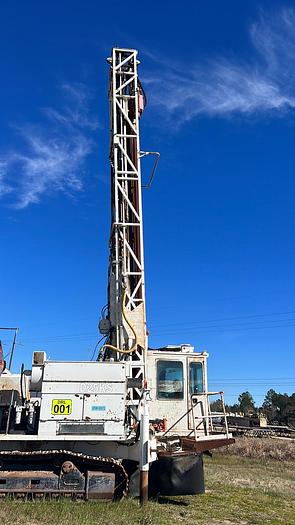
What Industry Experts Recommend Before Purchasing a Pre-Owned / Second-Hand / used Sandvik D25KS Crawler Drill Rig?
Here’s a detailed guide (based on what drilling / mining / heavy‐equipment experts recommend) for what to inspect and verify before buying a pre-owned / second-hand Sandvik D25KS crawler drill rig (blasthole / DTH / production drill). I’ll include its key specs, common wear & weak points, warning signs, and a due diligence / on-site checklist.
Key Specs & What the Sandvik D25KS Offers
Knowing the factory spec helps you judge whether a used unit is in good shape or has been modified / abused. Here are the main specs and performance figures of the D25KS:
| Parameter | Typical / Factory Spec |
|---|---|
| Hole diameter | 127-172 mm (≈ 5″ to 6 3⁄4″) holes with DTH hammer. |
| Maximum single-pass hole depth | ≈ 27 m (≈ 88 ft) |
| First-pass depth (single-pass) | ≈ 8.65 m (≈ 28 ft 5 in) |
| Pulldown force | ≈ 124 kN |
| Bit load | ≈ 143 kN |
| Pull-back force | ≈ 68.7 kN |
| Feed rate (up/down) | 0-32 m/min (≈ 0-105 ft/min) |
| Operating weight | ≈ 33,566 kg (≈ 74,000 lb) |
| Engine / Power pack | Diesel powered. Typical power ~ 417-469 kW (≈ 560-630 hp), depending on configuration. Compressor capacity ~ 25.5-32.8 m³/min, air pressure ~350 psi for DTH operations. |
| Undercarriage / Movement | Crawler (tracks), width over tracks ~3.35 m; pad width, grouser type etc. Crane or lifting jacks integrated. Tramming speed rather slow. |
What Experts Recommend Checking Closely / Common Issues
Because the D25KS is a large, rugged machine used in harsh environments (quarries, mines), there are certain wear points, weak areas, or potential “hidden” problems that often show up. Before purchase, you should inspect these carefully to avoid surprises or high repair costs.
| Area | What to Examine & Ask About | Why It Matters / What Fails Often |
|---|---|---|
| Engine / Power Pack | • Run engine under load; listen for knocking, unusual noises; check exhaust smoke. • Check service history (oil changes, filter changes, cooling system). • Inspect turbo, cooling system, hoses, fuel system. • Inspect air compressor (if DTH) and its capacity & maintenance (filters, seals). | If engine is worn, fuel efficiency drops; hard starts; overheating. Compressor issues reduce drilling performance and increase downtime. |
| Drill Mast, Pulldown / Pulldown Chain / Feed Mechanism | • Inspect mast for straightness, cracks, deformation. • Examine pulldown chain lines, sprockets, rollers: wear, alignment, chain sag. • Check feed cylinder/piston performance (smoothness, leaks), rod condition. • Mast pivot bearings, bushings: play, lubrication, wear. | Misalignment or wear here leads to imprecise hole placement, slow feed/pulldown, high wear on bit and pipe, possibly chain failure. |
| Drill Head & Bit Load / DTH Hammer Components | • Check the DTH hammer head: bit seat, wear, whether bit load is being achieved. • Inspect seals, valves, liners, hammers: are they worn / replaced? • Check for leakage of air or water (if used), proper lubrication. • Check condition of drill pipes, connections, threads. | Worn hammers / heads degrade drilling speed and quality; high maintenance; lost working time. Drill pipe thread damage is dangerous / costly. |
| Hydraulic System | • Inspect hoses, fittings, seals: any leaks, swelling, abrasion damage. • Check hydraulic fluid condition (cleanliness, viscosity, contamination). • Operation of hydraulic jacks/leg leveling, pad functions. • Response time, consistency under load. | Hydraulic failure leads to loss of control, safety risks; costly repairs; downtime. Leg/pad issues affect stability and precision. |
| Compressor / Air System (for DTH operations) | • Ensure compressor delivers rated air volume & pressure. • Check air lines, lubrication (air line lubricators), filters, moisture separators. • Check for leaks, worn parts. • Check control systems for compressor management. | Underperforming compressor reduces penetration; poor air quality causes hammer wear; leaks waste power/fuel. |
| Undercarriage / Tracks / Chassis | • Inspect tracks, track shoes (grousers), rollers, idlers, sprockets. • Check frame, welds, main rails for cracks or deformation. • Leveling jacks; pad condition; movement/operation smoothness. • Undercarriage wear vs. hours; track tension. | Undercarriage is big cost area; worn tracks or weak rollers cause slow movement; instability; more maintenance. Structural issues in frame affect safety and alignment. |
| Operator Cab / Controls / Safety Equipment | • Check the cab: visibility, operator controls, gauges, safety interlocks. • Condition of cab structure (rust, damage); HVAC or protection from dust / vibration • Inspect safety devices: emergency stops; guard rails; fall protection; lighting. • Check hour meters, telemetry / sensors (if installed) for accuracy or tampering. | Cab issues affect operator safety & productivity. Faulty safety equipment or sensors may violate regulation; worn controls or gauges may mislead about machine condition. |
| Wear & Corrosion | • Look for corrosion especially in wet or humid environments: drilling equipment, tracks, mast, joints. • Inspect for welded repairs, structural modifications. • Check rusted components that may be hiding cracks. • Condition of paint / coatings can be indicator of exposure. | Rust weakens frame & joints; welded repairs may be poor; hidden damage breaks during operation; corrosion of vital parts is expensive to correct. |
| Performance / Test Drilling | • If possible, run the rig in drilling mode: drill a test hole of similar depth / diameter to what you’ll use. Check speed, consistency, bit passing, feed / pulldown performance. • Test under both full and partial loads. • Monitor leakage, overheating, vibrations. • Test ancillary operations: angle drilling (if mast allows), pipe loading/unloading, mast raise / lower, pad deployment. | Real drilling reveals issues that static checks can’t: hydraulic lag, bit load shortfalls, heat build up, endurance issues, etc. |
| Documentation & Parts History | • Collect all maintenance / service records: engine hours, compressor hours, replacements. • Ask for parts replaced (hammers, rods, chains). • Manuals, schematics, parts lists. • Check whether OEM / genuine parts used. • Warranty history or remanufacture of key components. | Helps estimate future maintenance cost; units with poor history often hide costly defects. OEM parts are more reliable. |
| Fuel / Operating Cost & Region Suitability | • Estimate fuel consumption (based on engine spec & hours) and air compressor power usage. • Consider climate & environmental conditions: e.g., how high ambient temperature, dust, moisture will affect engine, compressor, hydraulic system. • Emission / regulation compliance depending on locale. • Availability & cost of spare parts locally (diesel engine parts, DTH heads, pipes etc.). | If operating cost is too high, return on investment suffers; regulatory compliance may be costly; spares delays cause downtime. |
Red Flags / Warning Signs
These are things that often suggest more trouble than they look like; spotting these should lead to caution, lower price offer, or walking away.
- Significant frame or mast bending, cracked welds, repaired sections of structure.
- Engine smokes heavily under load; inconsistent power; unexplained loss of performance.
- Compressor not delivering required air pressure or volume, or signs of frequent failure.
- Hydraulic leaks in major cylinders (feed, pulldown, jacks).
- Pulldown chain / sprocket wear severe; chains stretched, rollers/wheels worn.
- Drill head / DTH hammer components heavily worn; bit seat damage; threads stripped.
- Tracks, undercarriage components (rollers, shoes) very worn, missing grousers, missing parts.
- Safety systems not working; sensors/timers mismatched; cab in poor condition.
- Excessive hours without maintenance records; hour meter tampering or missing.
- Overheating, unusual vibrations during test drilling.
- Non-genuine parts or undocumented modifications.
Practical On-Site / Pre-Purchase Checklist
Here’s a checklist to bring when inspecting a used D25KS rig, or questions to ask the supplier. Use this to avoid missing anything important.
| Inspection / Test Item | What to Do / Observe |
|---|---|
| Model / Serial Number / Year / Spec Confirmation | Confirm exact model (D25KS), year of manufacture, configuration (com or compres- sor capacity, optional attachments), drill diameter/hole-depth ability as claimed. |
| Engine Test | Start cold; then run under load; observe exhaust, smoke, abnormal noises; check oil pressure, coolant temperature; check turbocomp / charge air cooler if applicable. |
| Compressor / Air System | Run compressor; check pressure/volume; inspect air filters, separators; listen for leaks; check lubrication to air line. |
| Mast / Pulldown System | Raise / lower mast; check pulldown under load; test chain tension and smoothness; observe pulldown chain sprockets & rollers for wear; inspect mast pivot and bushings. |
| DTH Hammer / Bit System | Inspect hammer components; test bit load under drilling; check seals; check rod threads; drill a test hole of your target depth / diameter. |
| Hydraulics / Jacks / Pads | Test hydraulic cylinders; check for smooth, leak-free operation; test the jacks / pads leveling; check reservoir fluid, sight gauges. |
| Undercarriage / Tracks | Inspect tracks, shoes, rollers, sprockets; look for wear or damage; check track tension; inspect frame undercarriage points for cracks or damage. |
| Controls / Cab / Operator Station | Test all controls; check gauges and indicators; check safety features; ensure the cabin is safe and offers visibility; check hours meters, alert / fault logs. |
| Wear & Structural Check | Inspect for corrosion, cracks, weld repairs; condition of walkways, handrails; condition of paint or protective coatings. |
| Test Drilling Operation | If possible, drill a hole similar to your expected work: full feed, pulldown; monitor performance, speed, consistency, bit wear, heat, vibrations. |
| Fluid / Filter Sampling | Check oil condition, coolant (if used), hydraulic fluids; look for contamination, metal particles; inspect condition of filters, replacement history. |
| Maintenance / History Review | Ask for full maintenance log: engine hours, compressor hours, service intervals, what major parts replaced (e.g. hammer, bit, chains, engine head etc.). Check for records of breakdowns / major repairs. |
| Spare Parts / Support | Ask where you can source key spares: DTH hammer parts, compressor elements, chains / sprockets, bearings, hydraulic seals etc. How long to ship; cost. |
| Fuel / Running Cost Estimate | Based on condition, engine spec, compressor load, estimate fuel consumption, maintenance costs. Assess whether projected output justifies cost. |
| Regulatory / Emissions / Safety Compliance | Ensure emissions standard (if needed) is acceptable; safety features meet local requirements; rig meets any local mining or workplace safety regulations. |