What Industry Experts Recommend Before Purchasing a Pre-Owned / Second-Hand / used Doosan Lynx 2100 LMSB – CNC Turning Center?
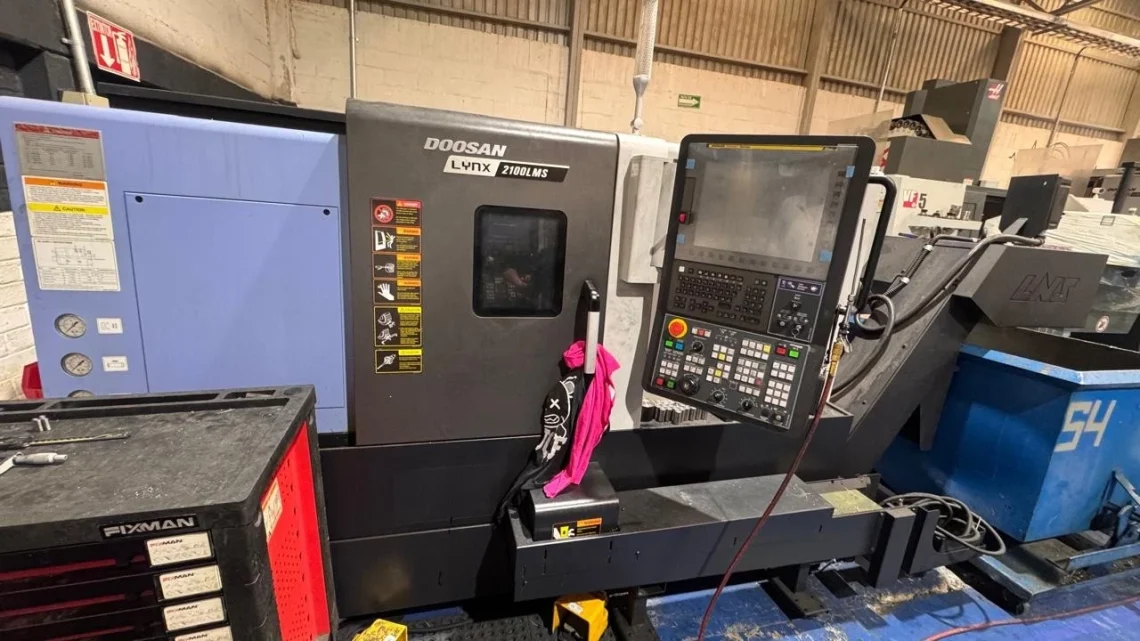
Here’s a detailed guide (based on what industry experts advise) for evaluating a Doosan Lynx 2100 LMSB used / second-hand CNC turning center before purchasing. I include the key specs, common weak points, red flags, and a practical inspection checklist.
Key Specs: What You Should Know, so You Can Judge What “Normal” Is
These are typical / advertised specs for the Lynx 2100 LMSB (or close variants like LMS, LMSA/B), so you can check what the seller is claiming vs what you should expect.
| Spec | Typical / Example Values |
|---|---|
| Max turning diameter | ~ Ø300 mm (≈ 11.8″) for the LMSB version. |
| Max turning length (Z-axis travel) | ~ 510-560 mm (≈ 20-22″) depending on whether it’s the “L” version. |
| X-axis travel | ~ 205 mm (≈ 8.1″) |
| Spindle speed (main spindle) | ~ 4,500 rpm for LMSB in many listings. |
| Main spindle motor power / torque | ~ 15-20 kW (≈ 20 HP) for many versions. |
| Turret | Usually BMT-45 style, 12 station turret. Live tooling option in many. |
| Sub-spindle / C-axis / Live tooling | Many LMSB machines have sub-spindle (for back-side operations), live tools, C-axis. These options raise complexity but also value. |
| Travel rates / rapid feed | Some specs show rapid traverse around 30-36 m/min in Z; X slower depending on variant. |
Knowing these helps you spot claims that are too good to be true, or if something is under-spec’d, and also helps you choose what variant best fits your needs (e.g. need for live tooling, bar feed, sub spindle etc.).
What Experts Recommend Checking / Inspecting Closely
Because the Lynx 2100 LMSB is a relatively advanced turning/mill‐turn machine (live tooling, sub-spindle etc.), there are several areas that tend to wear or cause trouble. Before purchase, inspect these carefully.
| Area | What to Check / Ask About | Why It Matters / Common Problems |
|---|---|---|
| Machine History & Usage | • Number of hours (machine hours, spindle hours / live tooling hours, sub-spindle hours) • What materials have been machined (hard steels, abrasives, cast aluminium, etc.) • How many shifts / continuous running? • Maintenance records: margins, regular servicing, turret indexing, lubrication, coolant changes. • Any known crashes (turret, sub-spindle, live tooling etc.). | High hours, poor maintenance, or crash history often lead to hidden wear (on spindles, turrets, ways). Materials like abrasive or high hardness speed up wear. Live tools, when frequently used, also add extra stress and maintenance demands. |
| Spindle & Sub-Spindle | • Run the main spindle at a variety of rpms, check for noise, vibration, heat. • Check spindle run-out (taper and bore) with test bars or indicators. • Inspect the sub-spindle: its alignment, run-out, ability to grip correctly, switching time, etc. • For live tools, check bearings, coolant seal integrity, radial run-out and torque under load. • Check the spindle bores and whether the through-spindle / cross-spindle features (if present) are functioning. | Spindle / sub-spindle are among the most expensive components to repair. Live tooling adds further wear. If run-out is excessive, parts will suffer tolerance issues. If coolant seal or bearing issues exist, they’ll degrade surface finish and tool life. |
| Turret / Tool Changer / Live Tooling | • Turret indexing performance: accuracy, repetition, “wiggle” or play when locked in. • Couplers (curvic couplers etc.), locking mechanism. • Sensor reliability, hydraulic/hydraulic motors (if present), mechanical condition of the turret. • Live tooling motors: test in place under load; check for overheating, vibration. • Tool station condition: tightness, wear of pockets, alignment. | Poor turret locking causes chatter, inaccurate tool changes, tool damage. Live tools increase complexity—if not well maintained they can leak, overheat, fail. Worn turret pockets cause tool misalignment. |
| Axes, Guide Ways, Ball Screws, Linear / LM Guides | • Move axes full travel, feel for binding or rough spots. • Check backlash (e.g. with dial indicators) in X, Z, Y if present. • Inspect guide way surfaces / way covers for rust, corrosion, scoring. LM or roller guides if machine has them: check lubrication, smoothness. • Alignment and squareness; check that the spindle axis, turret, sub-spindle are aligned. • Thermal drift: see dimension stability after warm-up. | Wear in ways / screws degrades accuracy & surface finish; misalignment leads to incorrect parts; LM guides, if poorly maintained, can wear rapidly; backlash causes dimension drift. |
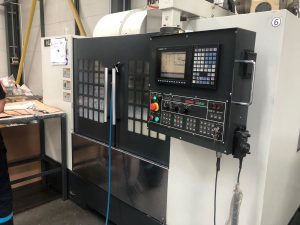
| Control System & Electronics | • What control is fitted (e.g. Fanuc i, etc.), firmware version, any noted faults or replacements. • Condition of electrical cabinets: look for signs of overheating, moisture, dirt, wire damage. • Check encoders, feedback devices, sensors (especially for live tooling, turret positioning, sub-spindle). • Evaluate whether the machine has up-to-date software patches and parts; support availability. • Check the safety interlocks, guards, emergency stops. | Electronics particularly sensitive to environment; poor control or failing sensors cause misfires, crashes. Older control boards might be obsolete or pricey. Safety is a legal issue. |
| Coolant / Lubrication / Auxiliary Systems | • The coolant system: Is the coolant clean? Filtered? Are pipes, seals, coolant nozzles and pumps working well? • Check lubrication for ways / slides, turret / turrets, live tooling lubrication (if needed) • Chip management: chip conveyor, chip chute, guards, cleaning history. • Bar feeder (if included): bar straightness, feed reliability; check for feed jams or misfeeds. • Cooling or temperature control (if installed): whether machine has temperature compensation, ambient control etc. | Poor coolant / lubrication accelerates wear; chip accumulation can damage components; failing auxiliary systems often lead to downtime and increasing maintenance cost. Bar feeders especially must be reliable if used for production. |
| Accuracy & Test Cuts | • Do test piece or sample part that matches what you’ll be producing: turning, facing, live tool operations, sub-spindle finish. • Measure repeatability and dimensional stability: before and after warm-up, after live tooling or sub-spindle use. • Check surface finish quality. • Inspect tool change accuracy: does tool in turret or live tooling hit correctly? • Check alignment: Verify center height, run-out on several tools. | Even if machine looks good in idle, real production reveals many issues. Tolerances can drift, thermal expansion can shift alignments. |
| Physical Condition / Structural Integrity | • Inspect bed, ways, column (if applicable), turret housing, sub-spindle housing for signs of damage or repair (welds, cracks). • Inspect the spindle nose face, chuck mounting surfaces for damage. • Check the alignment of sub-spindle and main spindle centers. • Ensure doors, safety shields, guards are functional; check lighting. • Look for rust, corrosion, contamination (especially from coolant, chips, stray micromachining debris). | Structural damage or poorly done repairs can severely reduce machine life or precision. Misaligned spindles lead to rejected parts. Safety features are mandatory and affect both safety and insurance. |
| Power, Utilities, Installation, Foundation | • Power requirements: voltage, phase, amperage; ensure you can support them. • Air supply (if needed), coolant supply, filtered water, compressed air etc. • Floor load capacity; machine weight (with options) and crane / lifting / access for installation. • Ambient environment: temperature, humidity, dust. • Availability of spare parts locally or via your supplier; manuals, parts lists. | Often overlooked: inability to install correctly or supply properly leads to hidden costs and delays. Environmental conditions affect wear and accuracy. If parts or support are not available locally, costs or lead times can be prohibitive. |
Red Flags / Warning Signs
If you observe any of the following, treat them as serious concerns — either demand a discount, insist on repairs before purchase, or potentially walk away.
- Excessive vibration or noise from the spindle or live tooling at moderate speeds.
- Turret that wobbles or “finds” position poorly (curvic couplers loose, locking mechanism slack).
- Sub-spindle misalignment; chattering when back-machining; issues docking between main/sub spindle.
- High backlash, noticeable “slop” in axes, especially X & Z.
- Live tooling not functioning smoothly, or motor overheating or poor coolant flow or seals leaking.
- Spindle run-out excessively high, or taper damage / pitting.
- Missing or damaged guides or way covers (allowing chips/coolant ingress).
- Missing safety guards or interlocks; damaged doors; non-functional emergency stops.
- Evidence of crash history: repaired welds, misaligned covers, bent components.
- Poor condition of chip conveyor, coolant tank (rust, contamination), lubrication system.
- Control faults stored in logs; intermittent electrical issues.
- High hours with little or no maintenance records.
Practical On-Site / Pre-Purchase Checklist
Here’s a checklist you can use in person, or ask the seller to demonstrate / document. Having this with you helps avoid surprises.
| Check Item | What to Do / Inspect |
|---|---|
| Model & Serial Verification | Confirm exact model (LMSB), options installed (live tooling, sub spindle, bar feeder, C-axis etc.), serial number. Ask for build date. |
| Hours & History | Ask for total machine hours and spindle hours, live tooling usage if separate meter; ask for maintenance/repair / crash history. |
| Spindle / Sub-Spindle Test | Run both spindles (main & sub) idle and under moderate load. Check for noise, heat, vibration. Use dial indicators to check run-out. |
| Turret Operation | Cycle through all tools; observe indexing time & noise; check for play / wobble when locked; inspect curvic couplers or locking surfaces. |
| Live Tooling Test | Engage live tools; run test operations (drilling/milling with live tool); check coolant, run-out, tool alignment and motor condition. |
| Axis Travel & Accuracy | Move full X, Z (and Y if applicable). Check for binding. Measure backlash. Check alignment of turrets, sub-spindle. |
| Coolant & Lubrication Systems | Check coolant cleanliness, oil / fluid levels, leaks. Pumps working. Filter conditions. Lubrication of ways, slides, rails. |
| Chip Handling / Bar Feeder | If bar feeder present: test feeding, check alignment. Chip conveyor, chip tray: check functionality. |
| Control & Electronics | Open electrical cabinet: smell, heat, dust, water. Check wires, connectors. Check control panel buttons/switches. Review error/fault logs. |
| Safety & Guards | Doors, interlocks, emergency stop buttons. Safety shields. Lighting. Visibility. |
| Test Piece / Production Simulation | Make sample parts, including using live tools, sub-spindle or back-machining. Measure finished parts for dimension & surface finish. Warm-up test to see thermal drift. |
| Physical / Structural Inspection | Outer frame, covers, guards. Spindle taper face. Chuck mounting surfaces. Way covers. Any visible damage or repair. |
| Utility / Infrastructure Check | Power supply verification. Facility capability (floor, lifting). Water, air supply if needed. Environmental controls. |
| Spare Parts & Support | Manuals, parts lists. Local service network for Doosan / Lynx. Estimate lead times and cost for wear parts (turret couplers, spindle bearings, live tool motors etc.). |
| Price vs Condition / Options | Compare with similar machines in similar condition + same options. Adjust price for needed maintenance or replacement of worn parts. |