10/11/2025
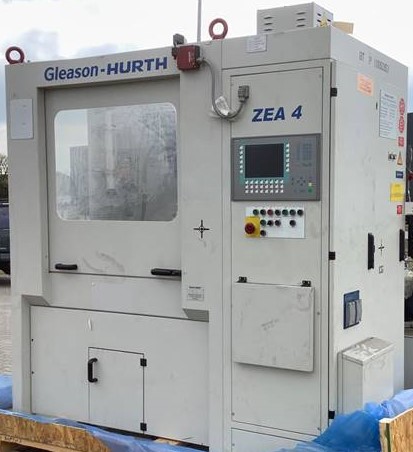
What Industry Experts Recommend Before Purchasing a Pre-Owned, Second-Hand, Surplus, Used Gleason Hurth ZEA-4 Gear Deburring Machine made in Germany?
When considering the purchase of a pre-owned / surplus gear-deburring machine, such as a German-made unit from Gleason‑Hurth (for example the “ZEA-4” or similar model), industry experts recommend a very thorough evaluation. Below is a comprehensive checklist of key items you should inspect, negotiate and document before committing — many drawn from used machine-tool buying guidance and specialist deburring-machine advice.
What to check in advance
1. Clarify your production fit
- Make sure the machine’s capacity (gear size, module, width, number of operations) matches your parts. For example, gear-deburring machines are engineered specifically to remove primary/secondary burrs on gears.
- Ask: “What gear modules, diameters and widths was this machine handling?”
- Confirm what finishing/quality your parts need (surface finish, edge rounding, burr removal) and that the machine’s spec suits that.
- Check whether the machine is configured for wet or dry finishing (if relevant) and whether this matches your shop’s layout, materials and environment.
2. Machine age, history & usage
- Ask for the build year, serial number, and service/usage history of the machine. Older machines may be harder to service or get spare parts for.
- Request documentation of maintenance: lubrication logs, rebuilds/upgrades, any major repairs. A used-machine guide emphasises “maintenance records” as a key.
- Ask about previous duty environment: Was it used for heavy production, intermittent runs, rough duty? Machines used heavily or in dirty / abrasive environment will have more wear.
- Check for any refurbishments or modifications: have key assemblies been replaced or upgraded? If yes, you need to understand what was done and to what standard.
3. Mechanical & structural condition
- Perform a detailed visual inspection: Look for signs of poor maintenance, rust, damaged/corroded covers, oil leaks, worn paint, etc. A machine-tool guide emphasises this as the first step.
- Check critical machine components specific to gear-deburring: e.g., the brush or tool head mechanism (if applicable), feed automation, clamping or indexing mechanisms, gear-handling fixtures.
- Check structural alignment, axes, bearings, rollers, guides for wear. On used machine tools, wear in ways and guides is often a problem.
- Ask the seller to run the machine with a sample part (ideally your kind of gear) so you can assess cycle time, burr removal quality, and listen for abnormal sounds (bearings, drive, gearboxes).
- Check for original manufacturer drawings/manuals, parts lists, and whether replacement parts are still available (especially for German machines, decades old).
- Evaluate the condition of the tooling, fixtures and any gear-specific heads or grinding brushes: Are they worn? Are spares available?
4. Controls, drives & electricals
- Verify the electrical spec: voltage, phase (often 400 V, 3-phase in Germany/Europe). If your workshop is different you may face conversion costs.
- Check whether the machine uses obsolete controls (older PLCs, older drives) and whether they are still serviceable.
- Inspect the cabling, switches, safety guards, interlocks—worn or damaged covers may indicate poor maintenance.
- Verify the machine’s drive/gearbox condition: excessive backlash, wear in gearboxes or bearings can degrade accuracy and increase future cost.
5. Spare parts & service availability
- Because this is a German-made machine (Gleason-Hurth), check whether parts (brushes, cylinders, clutches, spindles, bearings) are still manufactured or available as used/refurbished.
- Ask about cost of typical wear parts: How often were they replaced in prior use? Are consumables expensive?
- Check whether the original manufacturer or a qualified service partner still supports this model or whether you’ll be on your own. Being able to source service/repairs is critical.
6. Transport, installation, and commissioning costs
- Get a clear understanding of the machine’s size, weight, footprint, and what special rigging is required. For large gear-deburring machines this may involve crane, special foundation, anchoring.
- Ask for the machine’s documentation: lifting points, shipping/shutdown instructions. One guide warns that many used machines arrive without proper shipping brackets.
- Consider downtime: what setup, balancing, alignment or calibration will you need upon installation?
- Understand what utilities are required: compressed air, coolant, chiller, vacuum, etc. These can add cost.
- Check whether prior owner will assist with dismantling and shipping, or if you must handle all logistics.
7. Financial and contractual considerations
- Ensure that the machine is being sold as-is, or whether any warranty is offered. Many used machines are sold without warranty—be clear.
- Negotiate a discount based on any observed wear, need for refurbishment, missing parts or tooling.
- Ask for a sample part run (with your gear) after installation to confirm performance before final acceptance.
- Build in allowance for unexpected repairs or refurbishing once installed.
8. Performance verification & risk mitigation
- Ask for reference images or videos of the machine processing comparable gear types.
- Ideally, witness the machine running at the seller’s site (if possible) to assess actual operation. A used machine article emphasises this: “book a visit … ask to see it under production”.
- Check for report or evidence of process capability (repeatability, burr removal quality, scrap rates) when the machine was in use.
- Consider hiring an independent inspection technician who knows gear-finishing machines to perform a condition assessment.
Specific to a gear-deburring machine like the Gleason-Hurth ZEA-4
Because you’re looking at a used gear-deburring machine (specific to gear finishing), additional gear-industry specific checks apply:
- Verify the machine’s capability for the gear module, width, diameter you plan to work with. Gear-deburring machines are often configured for a specific range.
- Check the tool or deburring head condition: for example, are the brushes or grinding wheels still suitable for the gear material (hardened steel, alloy) and the gear size? Is there flexibility for different gear sizes?
- Confirm whether the machine includes any gear-handling automation (loading/unloading, indexing) and whether those systems still function or need rework.
- Since burr formation can vary depending on gear cutting (hob, shaping, grinding) and heat treatment, check whether the machine was used for the same type of gears (module, material, finish) as you’ll produce.
- Ask for surface finish results: what tolerances and burr removal quality did the machine achieve when in operation?
- Check for any damage or wear specific to gear finishing: e.g., repeated heavy loading/unloading may damage plungers, fixtures, indexing tables.
Summary of expert advice
In summary, before purchasing this pre-owned gear-deburring machine you should:
- Define your production needs and ensure the machine matches them.
- Get detailed machine history, usage and condition documentation.
- Visually inspect and test the machine (ideally under load).
- Verify mechanical, electrical and control system condition.
- Confirm availability and cost of spare parts and service.
- Account for transport, installation, setup and commissioning costs.
- Negotiate a purchase agreement that includes verification of performance and understanding of risk.
- If possible, bring in a specialist inspector to assess condition.
- Recognize that used machines carry risk — but if the checks are done, you can get value.