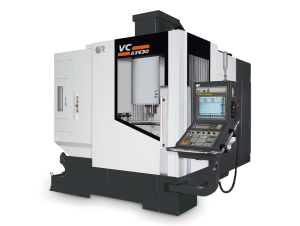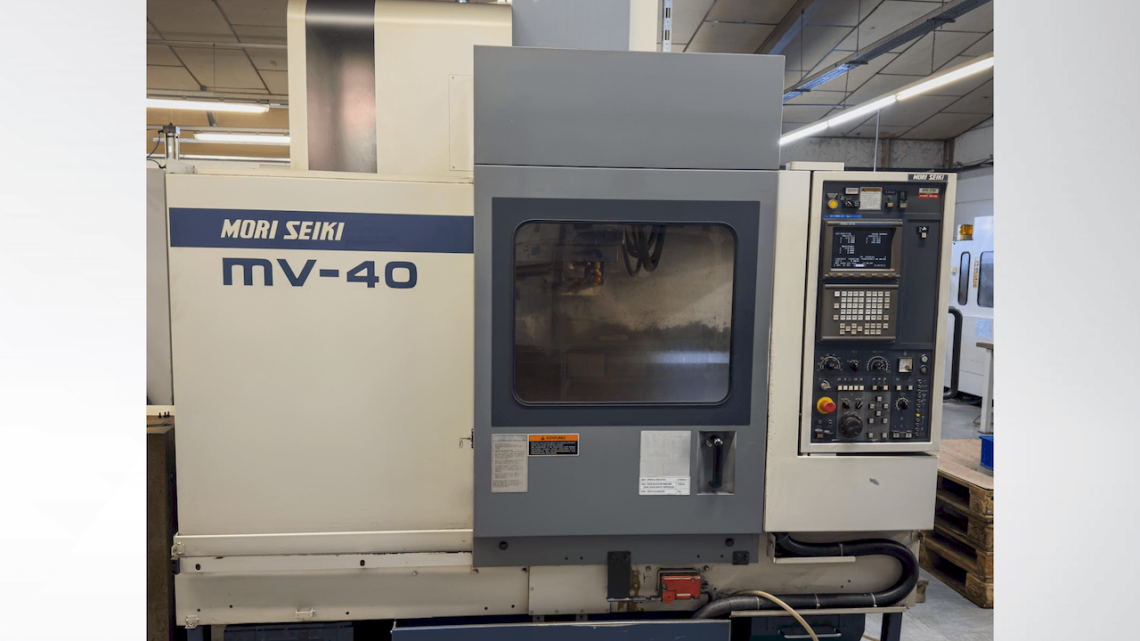
Make the Right Move: Proven Steps to Evaluate a Used, Second-Hand, Surplus, Pre-Owned Mori Seiki Frontier MII / 40 made in Japan
A Mori Seiki Frontier MII / 40 is a strong, reliable Japanese-built vertical machining center widely respected for its rigidity, durability, and stable cutting performance. When buying this machine second-hand, a systematic inspection ensures you avoid costly surprises and secure a profitable investment.
Below are proven steps used by successful manufacturers, maintenance engineers, and machine dealers when evaluating this model.
1. Verify Machine Identity and Production History
Start with the fundamental checks to avoid hidden ownership or maintenance issues.
What to inspect
- Original Mori Seiki nameplate (Model: Frontier MII / 40, Serial number, Year)
- Controller version (Fanuc series commonly found)
- Operating hours (cutting time, spindle run time, rapid travel time)
- Service and repair logs from previous owners
- Confirm ATC magazine size matches the specification (often 20–30 tools)
Why it matters
A consistent history indicates the machine was operated within safe duty cycles and prevents unknown maintenance liabilities.
2. Examine the Spindle: The Heart of the Machine
Spindle performance defines the machine’s true value.
Key checks
- Listen for bearing noise, humming, vibration, or abnormal heating
- Test low–mid–high RPM transitions for smoothness
- Check spindle taper condition (BT40) for scratches, scoring, or pull-stud wear
- Measure runout with a dial indicator (should be minimal on a healthy spindle)
Warning signs
- Excessive vibration at 6,000–10,000 rpm
- Oil leaks near spindle housing
- Taper corrosion or fretting marks
Why it matters
Spindle repairs on Mori Seiki machines can be expensive. A healthy spindle significantly increases machine value.
3. Evaluate X/Y/Z Guideways and Ballscrews
The Frontier MII / 40 is known for stable linear movement—ensure yours is still in good condition.
Inspect
- Axis backlash in X/Y/Z
- Ways and ballscrews for scoring, rust, or dry spots
- Axis lubrication flow (check metering units and lines)
- Movement smoothness during jog and rapid travel
- Table travel at full stroke without unusual noise
Ideal condition
Smooth motion, minimal backlash, predictable repeatability.
4. Test the Rapid Feed, Cutting Feed, and Repeatability
A performance check reveals wear hidden to the naked eye.
Perform
- Rapid traverse test on all axes
- Positioning accuracy (command 0 → 200 mm → 0 mm repeatedly)
- Circular interpolation test (G02/G03)
- Cutting test if possible
What to look for
- Consistent return points
- No axis drift
- No servo lag alarms
- No heat build-up in servo motors
5. Inspect the ATC (Automatic Tool Changer) Mechanism
Tool changers are often abused on production floors.
Check
- Tool-to-tool time
- Double-arm condition
- Proper clamping/unclamping
- Magazine rotation noise
- Tool pot wear
- Air pressure stability
Common issues
- Sticky tool arms
- Misaligned pots
- ATC arm shocks during tool change
6. Electrical Cabinet, Drive Units, and Control System
A clean electrical cabinet is a strong indicator of proper maintenance.
Inspect
- Fanuc control for alarm history
- Servo amplifiers for overheat past events
- Condition of wiring, fans, filters
- PCB boards for corrosion or burnt marks
- Sufficient cooling in the cabinet
Advantage of this model
Fanuc electronics are reliable, easy to repair, and widely supported worldwide.
7. Check the Hydraulic and Pneumatic Systems
Automation and tool changing depend on clean, stable pressure.
Review
- Air pressure regulator
- Hydraulic pump sound
- Cylinder movements (drawbar, ATC arm, etc.)
- Air dryer and filters
Avoid
Machines with unstable air pressure or oil contamination.
8. Inspect the Machine’s Physical Condition and Frame
Mori Seiki builds extremely rigid frames—ensure it hasn’t suffered structural damage.
Assess
- Base casting for cracks or weld repairs
- Alignment marks
- Signs of crane damage during moves
- Table surface condition
- Paint condition (cosmetic but indicates care level)
9. Review Included Accessories and Tooling
Many good second-hand machines include valuable extras.
Common extras
- Tool holders (BT40)
- Chip conveyor
- Coolant tank & filtration
- Probe system (optional)
- Workholding fixtures
- Manuals, ladder diagrams, spare parts
Well-maintained accessories increase machine value significantly.
10. Perform a Full Cutting Demonstration
If possible, always request a real cutting test.
Check for
- Spindle load monitoring
- Dimensional accuracy of machined part
- Vibration patterns under load
- Finish quality on steel or aluminum
This is the most reliable way to confirm the machine is production-ready.
Conclusion
A Mori Seiki Frontier MII / 40 is a high-quality Japanese machining center that can deliver long-term performance when properly inspected. Following the steps above ensures you make a smart, profitable, and low-risk investment in a used, pre-owned, or surplus unit.