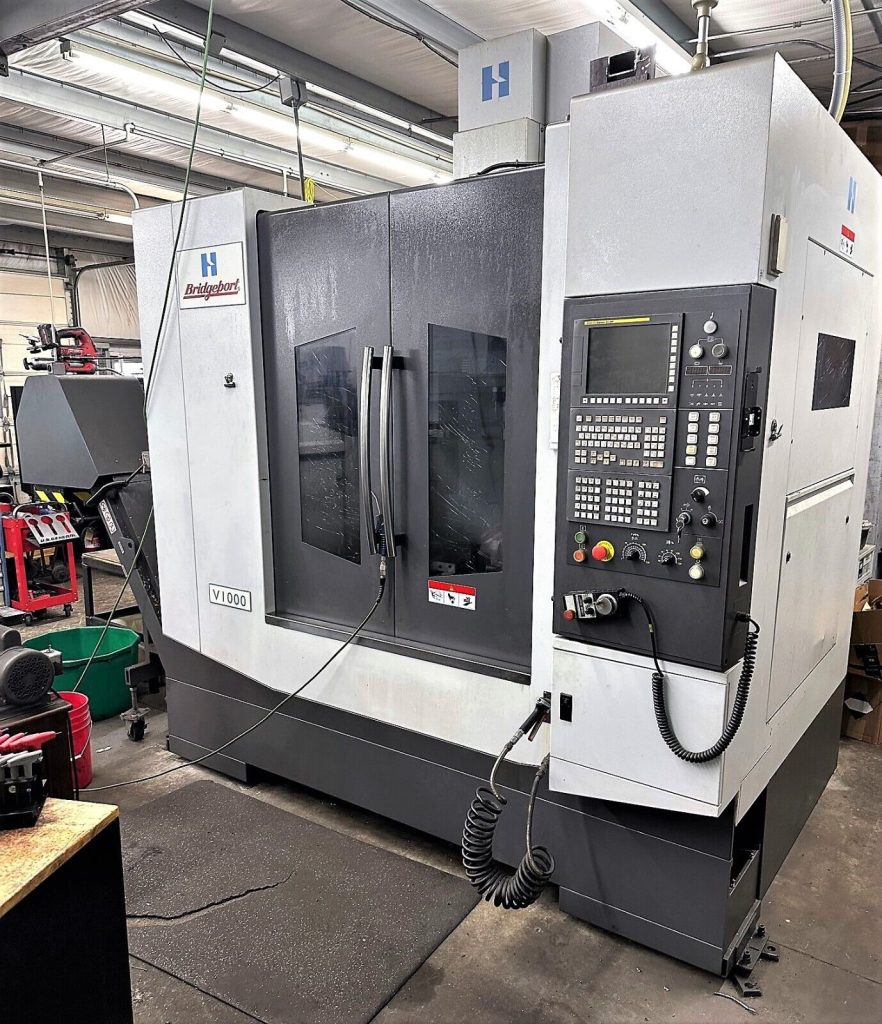
Samputensili S400GS Gear and Cutter Grinding Machine – Year 2007
Diameter (automatic loading): 9.84″
Diameter (manual loading): 14.96″
Length: 21.65″
Grinding Capabilities:
Max grinding module with master wheel: 0.7 to 5
Max grinding module with form grinding wheel: 8
Spindle Specifications:
Workpiece/spindle center distance: 1.57″ – 11.81″
Grinding wheel diameter: 5.51″ – 8.66″
Equipped with:
Shaving cutter inspection software
Auto data correction
on-machine inspection device
Technical Evaluation of the Samputensili S400GS
Gear and Cutter Grinding Machine (Year 2007)
1. Technical Evaluation Overview
The Samputensili S400GS is a CNC gear and cutter grinding machine manufactured in 2007, designed for precision grinding of gears and gear cutting tools within defined size and module ranges.
The machine supports automatic loading up to 9.84 inches in diameter and manual loading up to 14.96 inches, with a maximum workpiece length of 21.65 inches. These limits define the practical envelope for gears and cutters that can be processed without auxiliary handling equipment.
Grinding capability is specified by module range: module 0.7 to 5 when using a master grinding wheel, and up to module 8 with a form grinding wheel. This indicates flexibility across fine to medium-coarse gear geometries, depending on wheel type.
Spindle-related geometry includes a workpiece/spindle center distance range of 1.57 to 11.81 inches, and supported grinding wheel diameters from 5.51 to 8.66 inches. The machine is equipped with on-machine inspection, auto data correction, and shaving cutter inspection software, which together indicate an integrated measurement-and-correction workflow. No accuracy, axis configuration, or control system details are provided.
2. What to Check Before Buying
Given the absence of detailed control and axis specifications, inspection should focus on mechanical accuracy and system integration. The grinding spindle should be evaluated for runout, vibration, and thermal stability across the supported wheel diameter range. Wheel mounting interfaces and dressing systems, if present, should be checked for wear and repeatability.
The workholding and loading systems should be tested in both automatic and manual modes to confirm clamping consistency and alignment, especially near the upper limits of diameter and length.
Equally important is verification of the on-machine inspection device and auto data correction functionality. These systems should be tested with known reference parts to confirm that measurement results correctly feed back into the grinding process. Software availability, versioning, and calibration status of the inspection system should be confirmed, as these details are not specified.
3. Typical Industrial Applications
Based on the stated capacities and module ranges, this machine is suitable for precision grinding of gears, gear shaper cutters, and shaving cutters within the defined size limits. Typical use cases include automotive, industrial gearbox, and power transmission components, where controlled gear geometry and surface quality are required. Applications outside the stated module and size ranges should not be assumed without validation.
4. Common Risks in Used Machines
For used gear grinding machines, common risks include spindle bearing wear, loss of geometric accuracy in rotary or linear axes, and degradation of dressing or inspection systems. Integrated inspection introduces additional risk related to sensor calibration, software compatibility, and data integrity. Missing or outdated documentation for grinding cycles and correction algorithms can also limit effective use.
5. Maintenance and Service Considerations
Maintenance requirements depend on actual operating hours and prior service quality, which are not provided. Regular attention to spindle condition, lubrication systems, and alignment is critical for maintaining grinding accuracy. The inspection and correction systems require periodic calibration and software support; confirmation of service access, backups, and technical documentation is advisable. Without documented service history, a comprehensive functional test should be considered essential.
Final Note:
While the machine’s size limits, module ranges, and inspection features are clearly stated, critical information—such as CNC control type, axis configuration, accuracy specifications, and maintenance history—is important. These factors should be verified through documentation review and on-machine testing before drawing final technical conclusions.