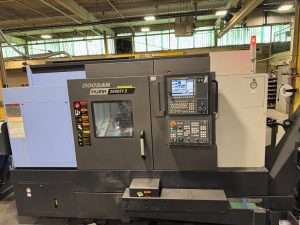
Avoid Costly Mistakes: Professional Tips for Purchasing a Pre-Owned / Second-Hand / used Eckert Jantar 2 Plasma Cutting Machine?
Here are professional tips, things to check, red flags, and negotiation advice specific to buying a used Eckert Jantar 2 plasma / gas / CNC cutting machine. Because this is a large industrial machine, many small defects or omissions can rapidly translate into large costs.
What the Eckert Jantar 2 *Is / What to Expect
Before you inspect, know the machine’s baseline specs and features—this helps you spot mis-mannings, exaggerations, or wear. Here are known published values and variants for the Jantar 2:
| Spec / Feature | Typical Values / Options |
|---|---|
| Working area (sheet / table size) | Common sizes like 2000×6000 mm, or 2500×4000 mm, even up to ~3000×7000 mm depending on model / table extension. |
| Cutting thickness | Up to ~ 100 mm for oxy-fuel (gas) cutting; plasma sources often less for thick steel. |
| Drive & Build | Gantry / portal design, welded steel beams (stress-relieved), double-sided longitudinal drives, AC servo motors for movement. |
| CNC Control | ECS 859 or ECS 872 panels / control systems (sometimes Windows-based, with software for nesting, FastCAM/ FastNest etc.) |
| Torch & Burners | Hypertherm plasma units (e.g. HPR260, HPR130XD in some cases), Harris gas / oxygen burners, automatic igniters, height-sensors etc. |
| Cutting / Positioning Speed | Published positioning speeds in ranges up to ~ 18-25,000 mm/min depending on axis and thickness. |
Knowing these helps you set expectations: e.g. how thick of a plate you can truly cut, what speed to expect, what control features you should have.
What to Check / Test On-Site
Here’s a detailed checklist of what to examine and test when inspecting a Jantar 2 (or similar large plasma / gas CNC cutting machine). Many issues only show up under real working conditions.
| Area | What to Inspect / Test | Why It Matters / What Problems Commonly Show Up |
|---|---|---|
| Frame & Mechanical Structure | • Check the gantry / portal rails for straightness and wear (rails, beam sag, welds). • Inspect the table (grid / support steel, slats or grids) for warping, damage, past heat distortion. • Check for loose joints, worn bearings / guides in moving parts. • Check frame alignment (square, level) and whether base/foundations are stable. | Mechanical rigidity is vital for accurate cutting. If the machine frame is out of alignment, or has deformations, you will get poor cut quality, uneven kerf, difficulty in precision, wasted material. Repairs (straight-ening, re-machining) can be expensive. |
| Plasma / Gas Torch & Burners | • Examine condition of the torch(s): consumables, nozzle, electrodes; check for damage, wear. • Test plasma source itself: does it start reliably, hold arc, maintain cutting power. • For gas cutters: check burners, gas supply, automatic ignition, flame stability. • Torch height control / sensor: is it working properly, responsive, calibrated. • Check for coolant/gas leaks, or signs of burn, heat damage around torch mount. | Bad consumables or worn torch leads to poor cut edges, more spatter, reworking. If height control is bad, pierce damage or overcutting can ruin parts or torch. Gas burners out of tune cause wasted gas, poor cuts. |
| CNC Control & Software | • Power up the CNC control panel(s): check the ECS 859 / 872 units (or whatever is fitted): screen, buttons, alarms. • Load a cutting program or test file; see if movement, nesting, pathing (CAM) work. • Check software license status, whether software is supported / upgradable. • Inspect wiring, electrical cabinets: condition, age, any signs of overheating, water ingress, corrosion. • Control of ancillary functions: automatic ignition, pierce control, arc protection, gas mixing, safety interlocks. | If control is old, boards may be obsolete. Wiring problems or control glitches are hard to fix later. If CAM/nesting software is weak or old, productivity suffers significantly. Safety features matter (e.g. flame failure, gas sensors etc.). |
| Movement & Drives (X, Y, Z, Gantry, Torch Height, etc.) | • Move all axes: X (longitudinal), Y (side), Z (torch height), and any gas burner tilt or shift if present; check for smoothness, weird noises, binding, backlash. • Check speed: positioning speed vs active cut speed. • Check drive motors, belts/gears, servo/stepper feedback systems (if used). • Check whether double-drive (if there are split motors on long gantry sides) are synchronized / properly tensioned. • Check torch height sensor: whether it keeps torch at correct distance under motion. | Worn or misaligned drives reduce cut quality, cause inaccuracies especially on long cuts, cause more consumable wear. If split drives are out of sync, one side lags or drags, causing distortion. Torch height issues cause uneven kerf or fail piercing. |
| Cutting Table / Table Components / Work Holding | • Table/grid condition: slats/grids / supports replaced or worn; warping; ability to be leveled. • Consumables or spare slats: are replacements available / included. • Work holding / clamps / fixture options: whether sheet clamping works, whether you can mount or load sheet material properly. • Scrap / waste removal: conveyor, slats drop, water bed etc. • Check modular suction or extraction tables (if used) for function. | If table components are worn, replacement adds up; holes in table or warped supports affect cut accuracy; poor scrap removal or extraction causes buildup of slag and heat, interfering with cut quality. |
| Plasma / Gas Supply and Consumables | • Check what plasma power sources are installed (Hypertherm etc.), whether their performance still meets spec; age, hours, usage. • Check gas supply: gas lines, regulators, gas purity, valves. • Consumable stock: torches, nozzles, electrodes, shields, etc. • Check whether source cooling (if needed) is functional; filters, pumps etc. • Air / gas pressure & flow: check compressors or gas supply (oxygen, plasma gas) are sufficient. • Check whether local consumables are available or have to be imported. | Consumables are a recurring cost; worn or inferior ones increase scrap. If plasma source or gas supply is under-sized or leaking, performance degrades. Supply issues (gas or water) cause delays or damage. |
| Electrical / Power / Utilities / Safety | • Check input power matches what the machine requires (voltage, current, phase); see if modifications needed. • Inspect whether electrical cabinet cooling, grounding, cables are in good condition. • Safety: emergency stops, door guards, gas leak detection, flame failure detection, arc monitoring, PPE etc. • Dust / fume extraction: filters, fans etc., especially in enclosed or indoor setups. • Check whether machine has been exposed to moisture or corrosive environment. | Electrical issues are dangerous and can cause downtime. Safety features are critical not just for regulation compliance but to prevent fire or accident. Poor extraction or smoke causes operator fatigue, possible health issues or equipment damage. |
| Operational Testing / Test Cuts | • If allowed, do test cuts on materials similar to what you will use: different thicknesses, shapes, nested patterns. • Observe quality: kerf edge, straightness, dross (slag) on bottom edge, corner sharpness. • Check cut speed vs what seller claims. • Try piercing (holes) at edges / in center: see how cleanly ignition/pierce occurs, whether damaging splash affects torch or sheet. • Let machine run for extended time (1-2 hours) to see if there are issues when warm: drift, movement, thermal expansion. • Listen for odd noises or vibrations. • See how the CNC handles motion: whether acceleration, deceleration, stops, starts are clean. | Many defects only appear under load or when warm. Cuts that look good cold but degrade during operation are expensive in real production. Thermal effects can shift alignment or distort big sheets. |
| Maintenance / Usage History / Documentation | • Ask for age / build year; hours used; hours of active cutting (plasma / gas) vs idle time. • Maintenance logs: torch maintenance, drive motor servicing, consumable changes, control/software updates. • Any history of damage: collisions, floods, power surges. • Whether upgrades / suppressions have been made (plasma source replaced, software updated). • Whether manuals, wiring diagrams, parts lists, consumable lists, software keys/licenses are included. • Spare parts availability locally: torch parts, spare slats, gas regulators etc. | A well-kept machine lasts much longer; neglect often leads to hidden problems. If documentation is missing, repairs become more difficult. If spare parts are hard to obtain, downtime and cost will go up. |
| Resale / Upgrade Potential & Hidden Costs | • Check whether plasma source or gas systems are obsolete or require expensive consumables. • Whether the control software is still maintained or likely to require replacement soon. • Whether environmental / regulatory compliance (emissions, fume extraction etc.) is satisfied or will need upgrade. • Transport / dismantling / re-assembly costs; foundation or floor capacity. • Whether upgrades are possible: e.g. adding torch heads, switching plasma source, adding nesting software etc. • Energy consumption & operating costs: power draw, gas usage, consumables & wear. | These affect ongoing cost of ownership. A cheap used machine with expensive consumables or high energy or maintenance cost can end up costing you more than a newer machine with better support. Also, hidden regulatory or safety upgrade costs might be big. |
Red Flags / Deal-Breakers
Here are warning signs to watch out for. If you find many of these, the deal may look good on the sticker but be very expensive in practice.
- Plasma source that does not reliably start arc, or fluctuates wildly under load.
- Torch height sensor broken / non-functional, or torch mounting that has obvious wear or play.
- CNC control / software glitches: screen flicker, unexplained crashes, missing options, inability to load or edit programs.
- Worn or damaged slats in cutting table; table bed warped or heavily corroded.
- Drives or gantry that have uneven motion, binding or vibration; misaligned rails or worn bearings.
- Gas burner(s) or gas supply systems that are damaged, leaking, not igniting automatically.
- Consumables missing, scarce, or of poor condition; cheap or non-OEM consumables used that have caused damage.
- Signs of overheating or damage in electrical panels; poor wiring, rust or moisture accumulation.
- Poor or missing documentation: no manuals, no spare parts lists, missing CNC software license keys.
- Unrealistic claims of cut thickness / speed vs what you can test or what specification supports.
- No possibility of making test cuts, or seller unwilling to allow extended run test or warm-up.
- Environmental / safety compliance issues (e.g. no fume extraction, gas leaks, poor ventilation) that may require expensive remediation.
Negotiation Tips & Budgeting for Hidden Costs
To avoid surprises, build in extra allowances in your offer. Some items many buyers underestimate:
- Consumables cost: torches, nozzles, electrodes, shields. Even if everything else is OK, consumables are recurring. Factor in how many hours you expect to run, and whether sourcing replacement parts locally is easy/cheap.
- Plasma source servicing / rebuild: If source has high hours or signs of wear, you may need replacement or major servicing.
- Table slats / parts replacement: Cutting tables suffer wear, the slats / grids / support structure is often replaced.
- Gantry / drive alignment or rail replacement: If the rails or bearings are worn, realignment or replacement can be expensive and may require specialists.
- Electrical / control board spares: Controls or CNC boards that are failing or obsolete, backup modules, displays.
- Upgrading safety / environmental systems: Fume extraction, gas systems, safety interlocks, emergency stop circuits.
- Installation / transport / foundation work: This machine will be large and heavy; transport, rigging, installation, leveling, possibly pouring foundations or reinforcing floors may be required.
- Calibration / test development / programming: After installation, expect time & material cost to calibrate/align, generate cut profiles, train operators, adjust parameters.
- Power / gas supply costs: Adequate gas (if oxy/gas burners), compressed air (if used), electricity demand; any upgrade to utilities will cost.
- Warranty or guarantee from seller: Where possible, get some short-term guarantee or after-sale support: even 30-60 days to verify performance under real production loads.