Advantages and Disadvantages of Sheet Metal Laser Cutting Machines
Sheet metal fabrication is an essential process in modern manufacturing, serving industries such as automotive production, aerospace engineering, construction, electrical equipment manufacturing, kitchenware production, agricultural machinery, and metal furniture fabrication. As manufacturing standards continue to rise, companies are increasingly seeking cutting technologies that can deliver higher precision, greater efficiency, and lower operating costs.
Among the various metal cutting methods available today, fiber laser cutting technology has become one of the most widely adopted solutions. Sheet metal laser cutting machines are capable of processing a wide range of metal materials with exceptional accuracy while maintaining high production speeds. Their ability to handle complex designs and deliver clean cutting edges has made them a preferred choice for manufacturers worldwide.
However, like any industrial technology, laser cutting machines have both advantages and limitations. Understanding these strengths and weaknesses is essential for businesses considering investing in laser cutting equipment. This article explores the major advantages and disadvantages of sheet metal laser cutting machines and helps manufacturers determine whether laser cutting is the right solution for their production requirements.
What Is a Sheet Metal Laser Cutting Machine?
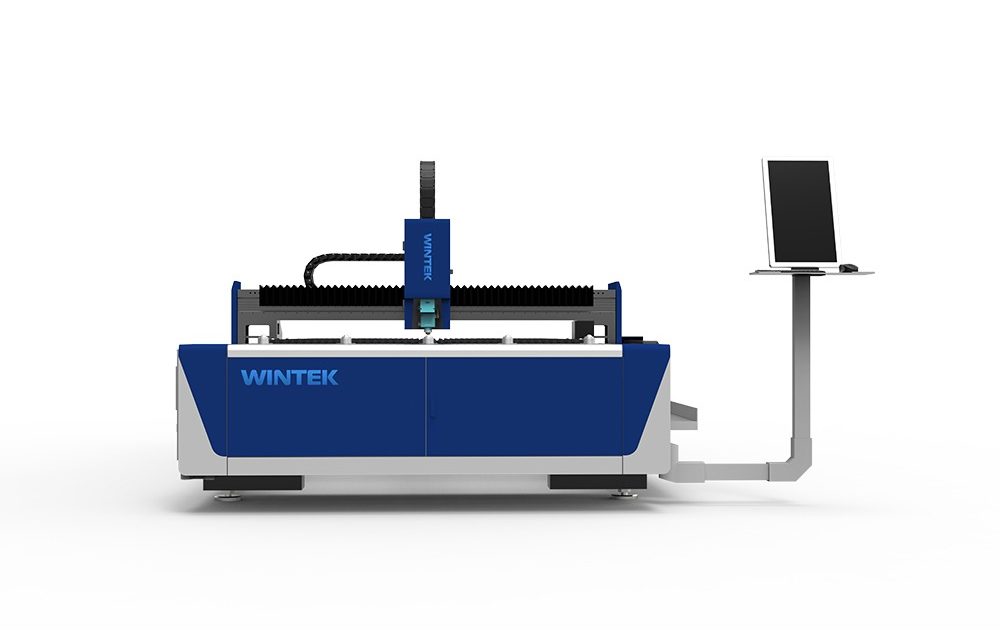
A sheet metal laser cutting machine is a computer-controlled system that uses a highly concentrated laser beam to cut metal sheets into precise shapes and dimensions. The machine directs laser energy onto the workpiece surface, generating intense heat that melts, burns, or vaporizes the material along the programmed cutting path.
Modern sheet metal laser cutting machines typically utilize fiber laser technology because of its high energy efficiency, excellent beam quality, and ability to process a wide variety of metals. These machines are commonly used to cut carbon steel, stainless steel, aluminum, brass, copper, galvanized steel, and other metal materials.
Integrated with CNC control systems and advanced design software, laser cutting machines can execute highly complex cutting tasks with minimal operator intervention. This level of automation contributes significantly to improved productivity and manufacturing consistency.
Advantages of Sheet Metal Laser Cutting Machines
One of the greatest advantages of sheet metal laser cutting machines is their exceptional cutting precision. The focused laser beam creates a very narrow cutting kerf, allowing manufacturers to produce intricate shapes, detailed patterns, and tight tolerances that would be difficult to achieve using conventional cutting methods. This precision is especially important in industries where component accuracy directly impacts product quality and assembly performance.
Another significant advantage is high production efficiency. Fiber laser cutting machines can process sheet metal at extremely high speeds, particularly when cutting thin and medium-thickness materials. The rapid cutting process helps manufacturers increase output while reducing production lead times. In many applications, laser cutting can significantly outperform traditional mechanical cutting methods in terms of productivity.
Laser cutting also provides excellent edge quality. Because the laser beam melts the material with precision, cut edges are typically smooth, clean, and require minimal secondary processing. Reduced grinding, deburring, and finishing work can lower labor costs and improve overall production efficiency. This advantage is particularly valuable for manufacturers producing large quantities of precision components.
Superior Flexibility and Automation
Sheet metal laser cutting machines offer remarkable flexibility in handling different product designs and production requirements. By simply modifying the cutting program, manufacturers can quickly switch between various part geometries without changing physical tooling. This flexibility makes laser cutting ideal for both mass production and custom manufacturing projects.
The integration of CAD/CAM software further enhances operational efficiency. Engineers can convert digital designs directly into cutting instructions, reducing setup times and minimizing the risk of human error. Design modifications can be implemented almost instantly, enabling faster product development and greater responsiveness to customer requirements.
Automation capabilities are another major advantage. Modern laser cutting systems can be equipped with automatic loading and unloading systems, intelligent nesting software, automatic nozzle changers, and real-time monitoring functions. These features help reduce labor requirements while maintaining consistent production quality throughout extended operating periods.
Wide Material Compatibility
Another important benefit of sheet metal laser cutting machines is their ability to process a broad range of metal materials. Manufacturers can use a single machine to cut stainless steel, carbon steel, aluminum, brass, copper, titanium alloys, and galvanized sheets. This versatility reduces the need for multiple specialized cutting systems.
Advanced fiber laser technology has also improved the processing of highly reflective materials. Modern laser sources include anti-reflection protection systems that allow efficient and safe cutting of copper and brass, materials that were once difficult to process using older laser technologies.
The ability to handle various material types and thicknesses enables manufacturers to serve diverse industries and customer demands while maximizing equipment utilization and return on investment.
Reduced Material Waste
Material utilization plays a critical role in manufacturing profitability, especially when working with expensive metal materials. Laser cutting machines can significantly reduce waste through precise cutting and intelligent nesting software.
Advanced nesting algorithms automatically arrange parts on the metal sheet to maximize material usage and minimize scrap. This optimization can result in substantial material savings over time, particularly in high-volume production environments.
The narrow cutting kerf produced by the laser beam also contributes to improved material efficiency. Since less material is removed during cutting, manufacturers can achieve higher yields and reduce overall production costs.
Disadvantages of Sheet Metal Laser Cutting Machines
Despite their many advantages, sheet metal laser cutting machines also have certain limitations. One of the most significant disadvantages is the relatively high initial investment cost. Purchasing a high-quality fiber laser cutting machine requires substantial capital expenditure, particularly for high-power models designed for industrial applications.
In addition to the machine itself, manufacturers may need to invest in auxiliary equipment such as air compressors, gas supply systems, dust collection units, voltage stabilizers, and automation systems. These additional expenses can increase the total project cost significantly.
For small workshops with limited production requirements, the initial investment may represent a considerable financial burden. Careful evaluation of production volume and return on investment is therefore essential before purchasing laser cutting equipment.
Maintenance and Technical Requirements
Although fiber laser systems generally require less maintenance than older laser technologies, regular maintenance is still necessary to ensure optimal performance and reliability. Protective lenses, nozzles, cooling systems, and motion components must be inspected and maintained according to manufacturer recommendations.
Laser cutting machines also require skilled operators and technicians. While modern software simplifies operation, understanding cutting parameters, machine calibration, maintenance procedures, and troubleshooting techniques remains important. Inadequate training can lead to reduced cutting quality, machine downtime, and increased operating costs.
Furthermore, certain components such as protective lenses and consumables require periodic replacement. While these costs are generally manageable, they should be included in long-term operating cost calculations.
Limitations in Very Thick Material Processing
While fiber laser cutting technology excels at processing thin and medium-thickness sheet metal, certain limitations may arise when cutting extremely thick materials. As material thickness increases, cutting speed typically decreases and higher laser power becomes necessary.
For some ultra-thick plate applications, alternative technologies such as plasma cutting may offer economic advantages depending on the specific production requirements. Manufacturers should carefully evaluate material thickness ranges before selecting a cutting technology.
Additionally, processing very thick reflective metals can present greater technical challenges compared to thinner materials. Although modern laser systems have significantly improved performance in this area, parameter optimization and proper equipment selection remain important considerations.
Energy Consumption and Operating Costs
Laser cutting machines consume electrical power during operation, particularly high-power industrial systems. While fiber lasers are considerably more energy-efficient than traditional CO₂ lasers, electricity costs still contribute to overall operating expenses.
Assist gases such as nitrogen and oxygen are also required for many cutting applications. Depending on production volume and material type, gas consumption can represent a significant portion of operating costs. Manufacturers must account for these ongoing expenses when evaluating total cost of ownership.
However, it is important to note that many businesses offset these costs through higher productivity, reduced labor requirements, improved material utilization, and lower post-processing expenses.
Is a Sheet Metal Laser Cutting Machine Worth the Investment?
For many manufacturers, the benefits of laser cutting technology outweigh its disadvantages. Companies that require high precision, fast production speeds, flexible manufacturing capabilities, and superior cut quality often find that laser cutting machines deliver substantial long-term value.
The return on investment depends largely on production volume, product complexity, material requirements, and business objectives. Manufacturers processing large quantities of sheet metal components typically achieve faster payback periods due to increased productivity and reduced operating costs.
As fiber laser technology continues to advance, machine performance, reliability, and efficiency continue to improve, making laser cutting an increasingly attractive option for manufacturers of all sizes.
Conclusion
Sheet metal laser cutting machines have transformed modern metal fabrication by providing exceptional precision, speed, flexibility, and efficiency. Their ability to process a wide range of materials while delivering high-quality cutting results has made them indispensable in industries ranging from automotive manufacturing to aerospace engineering and industrial equipment production.
At the same time, businesses must carefully consider factors such as initial investment costs, maintenance requirements, operator training, and material thickness limitations before making a purchasing decision. By understanding both the advantages and disadvantages of laser cutting technology, manufacturers can make informed investments that align with their production goals and long-term growth strategies.
For companies seeking advanced sheet metal processing solutions, modern fiber laser cutting machines offer a powerful combination of productivity, accuracy, and versatility. With proper equipment selection and operation, laser cutting technology can provide significant competitive advantages and support sustainable manufacturing growth for years to come.
Address:
No. 2303, Building 4, United Fortune Plaza, No. 2177, Tianchen Road, High-tech Zone, Jinan City, China
Phone: 86-18769786070
Email: admin@winteklaser.com
Website: https://winteklaser.com/