A Complete Guide to Cutting Highly Reflective Metals with Fiber Laser Technology
Fiber laser cutting technology has revolutionized the metal fabrication industry by providing exceptional precision, speed, and efficiency. Today, fiber laser cutting machines are widely used to process stainless steel, carbon steel, aluminum, brass, copper, and other metal materials across industries such as automotive manufacturing, aerospace, electronics, construction, and industrial equipment production.
Among all metal processing applications, cutting highly reflective metals has traditionally been one of the most challenging tasks. Materials such as copper, brass, aluminum, silver, and certain coated metals reflect a significant portion of laser energy, which can affect cutting performance and even damage laser equipment if not properly managed.
Fortunately, modern fiber laser technology has overcome many of these challenges through advanced laser sources, intelligent cutting heads, anti-reflection protection systems, and optimized cutting processes. As a result, manufacturers can now achieve fast, precise, and reliable cutting of highly reflective metals with minimal risk.
This guide explains the challenges associated with reflective materials, how modern fiber laser systems address these issues, and the best practices for achieving excellent cutting results.
Understanding Highly Reflective Metals
Highly reflective metals are materials that naturally reflect a large percentage of incoming light and laser energy. When a laser beam strikes the surface of these metals, a portion of the energy is reflected rather than absorbed.
Copper is one of the most reflective metals commonly processed in manufacturing. Due to its excellent electrical and thermal conductivity, copper is widely used in electrical components, battery manufacturing, renewable energy systems, and industrial equipment.
Brass is another reflective material frequently used in decorative products, plumbing systems, musical instruments, and mechanical components. Its reflective surface can create challenges during laser processing.
Aluminum alloys also exhibit reflective characteristics, particularly when the surface is polished or untreated. Aluminum is widely used in transportation, aerospace, electronics, and construction industries because of its lightweight properties and corrosion resistance.
Other reflective materials may include silver-coated metals, galvanized steel with bright finishes, and mirror-finished stainless steel products.
The primary challenge with these materials is that they absorb less laser energy during the initial cutting process, making efficient material penetration more difficult.
Why Reflective Metals Were Difficult to Cut in the Past
In the early days of laser cutting technology, many manufacturers relied on CO₂ laser systems. While effective for certain applications, CO₂ lasers often struggled with highly reflective metals.
The reflected laser energy could travel back toward the laser source, creating a phenomenon known as back reflection. This reflected energy had the potential to damage sensitive optical components and reduce equipment lifespan.
As a result, many manufacturers avoided laser cutting reflective metals altogether or relied on alternative processing methods such as mechanical cutting, punching, waterjet cutting, or plasma cutting.
These traditional methods often involved compromises. Mechanical cutting tools experienced rapid wear, plasma cutting produced larger heat-affected zones, and waterjet systems generally operated at slower speeds and higher operating costs.
The limitations of older laser systems created a demand for more advanced solutions capable of handling reflective materials safely and efficiently.
How Fiber Laser Technology Solves Reflection Problems
Modern fiber laser cutting technology has significantly improved the ability to process reflective metals.
One of the most important advantages of fiber lasers is their wavelength. Fiber lasers typically operate at approximately 1.06 micrometers, which is absorbed more efficiently by many metals than the longer wavelength used by CO₂ lasers.
This improved absorption allows the material to heat more quickly and initiate the cutting process more effectively.
In addition, modern fiber laser sources incorporate advanced back-reflection protection systems. These systems are specifically designed to detect and manage reflected laser energy before it can damage critical components.
Fiber laser architecture itself is also more resistant to reflected energy. Unlike traditional mirror-based optical systems, fiber lasers use optical fibers to transmit laser energy, reducing vulnerability to reflection-related damage.
As a result, today’s fiber laser cutting machines can process copper, brass, and aluminum with significantly greater safety and reliability than previous generations of laser equipment.
The Importance of Laser Power When Cutting Reflective Metals
Laser power plays a critical role in the successful cutting of highly reflective materials.
Low-power laser systems may struggle to penetrate reflective surfaces because insufficient energy is absorbed during the initial interaction with the material.
Higher-power fiber lasers provide greater energy density, allowing the material to absorb enough energy to begin melting rapidly. Once the melting process starts, absorption typically improves, making the cutting process more stable and efficient.
For thin copper or brass sheets, moderate power levels may be sufficient to achieve clean cuts. However, thicker materials often require higher-power laser systems to maintain productivity and cut quality.
Modern industrial fiber laser cutting machines are commonly available with power options ranging from 1500W to 30000W or higher, enabling manufacturers to process a wide variety of reflective metal thicknesses.
Selecting the appropriate laser power depends on material type, thickness, production requirements, and desired cut quality.
Advanced Cutting Heads Improve Cutting Stability
The cutting head is one of the most important components in a fiber laser cutting machine.
Modern intelligent cutting heads include numerous features that help improve the processing of reflective materials. Automatic focus adjustment systems continuously optimize the focal position during cutting, ensuring maximum energy concentration at the cutting point.
Capacitive height sensors maintain a consistent distance between the nozzle and the material surface, improving cutting accuracy and stability.
Many premium cutting heads also incorporate protective lens monitoring systems and advanced cooling designs to enhance durability during high-power operation.
These innovations help ensure stable cutting performance even when processing challenging reflective metals.
The combination of intelligent cutting heads and powerful laser sources allows manufacturers to achieve precise and repeatable results across a wide range of applications.
The Role of Assist Gas in Reflective Metal Cutting
Assist gas is another critical factor in achieving successful cuts on reflective materials.
During laser cutting, assist gas is directed through the cutting nozzle to remove molten material from the kerf, cool the cutting zone, and improve cut quality.
Nitrogen is commonly used when cutting stainless steel, aluminum, copper, and brass because it prevents oxidation and produces clean, bright cut edges.
Oxygen may be used for certain carbon steel applications where increased cutting speed is desired, although it is generally less common for reflective non-ferrous metals.
The correct gas pressure and flow rate are essential for achieving smooth edges, minimizing burr formation, and maintaining consistent cutting performance.
Optimizing assist gas parameters can significantly improve productivity and final product quality.
Best Practices for Cutting Highly Reflective Metals
Successful laser cutting of reflective materials requires more than simply having the right equipment. Proper process control and operational practices are equally important.
Material surfaces should be clean and free from oil, dirt, oxidation, and contaminants before cutting. Surface contamination can affect laser absorption and lead to inconsistent results.
Operators should regularly inspect protective lenses and nozzles to ensure they remain clean and undamaged. Contaminated optics can reduce laser efficiency and compromise cut quality.
Cutting parameters should be optimized for each material type and thickness. Factors such as laser power, cutting speed, focus position, gas pressure, and nozzle selection all influence performance.
Regular machine maintenance is also essential. Proper calibration and inspection help maintain cutting accuracy while reducing the risk of unexpected downtime.
By following established operating procedures, manufacturers can maximize both productivity and equipment lifespan.
Applications of Reflective Metal Laser Cutting
The ability to efficiently process reflective metals has expanded the use of fiber laser technology across numerous industries.
In the electrical industry, laser cutting is widely used to manufacture copper busbars, battery connectors, electrical cabinets, and conductive components.
The renewable energy sector relies heavily on copper and aluminum components for solar power systems, battery storage solutions, and electric vehicle infrastructure.
Automotive manufacturers use laser-cut aluminum and copper components in vehicle bodies, battery packs, cooling systems, and electrical assemblies.
Aerospace companies benefit from the precision and low thermal distortion provided by fiber laser cutting when processing lightweight aluminum structures.
Industrial equipment manufacturers also use reflective metal cutting technology to produce machine parts, enclosures, heat exchangers, and custom metal components.
The versatility of modern fiber laser systems makes them suitable for both high-volume production and specialized custom fabrication projects.
Choosing the Right Fiber Laser Cutting Machine
Selecting the appropriate machine is crucial for achieving optimal performance when processing reflective materials.
Manufacturers should consider laser power, cutting area, machine stability, cutting head quality, automation options, and software capabilities.
Machines equipped with advanced anti-reflection protection systems are particularly important when processing copper and brass regularly.
High-quality machine frames and motion systems contribute to long-term accuracy and reliability, while intelligent control software helps simplify operation and optimize cutting parameters.
For businesses handling diverse production requirements, investing in a high-performance fiber laser cutting machine can provide significant advantages in productivity, quality, and operating efficiency.
A well-designed machine not only improves cutting performance but also reduces maintenance costs and enhances overall return on investment.
Conclusion
Cutting highly reflective metals was once considered one of the most difficult challenges in laser processing. However, advancements in fiber laser technology have transformed the industry by making the safe, efficient, and precise cutting of copper, brass, aluminum, and other reflective materials a practical reality.
Modern fiber laser cutting machines combine advanced laser sources, intelligent cutting heads, anti-reflection protection systems, and optimized cutting processes to deliver outstanding performance across a wide range of applications. With proper machine selection, parameter optimization, and routine maintenance, manufacturers can achieve exceptional cut quality while maximizing productivity and equipment reliability.
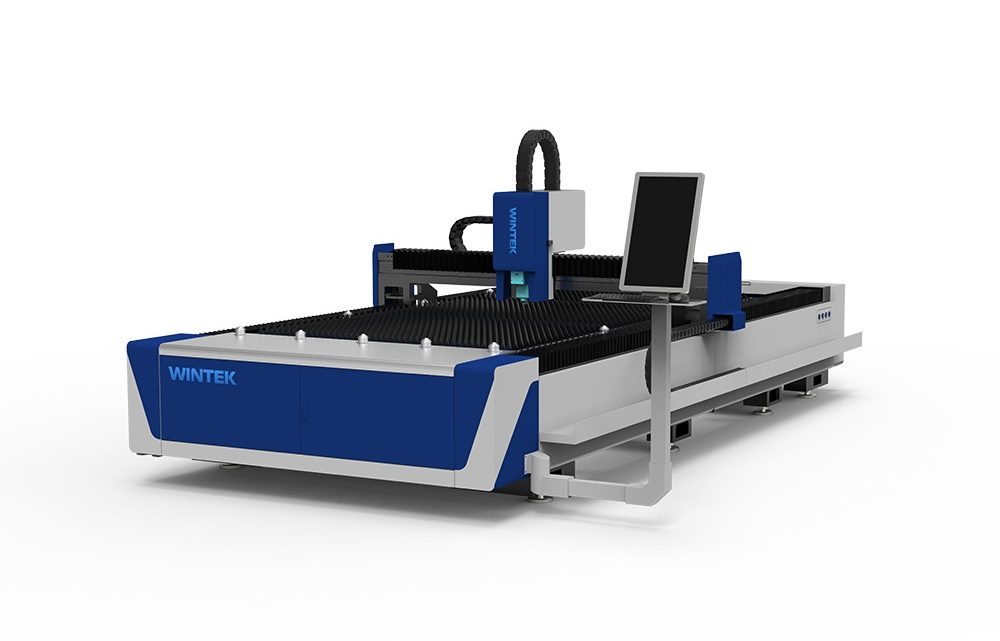
As industries continue to demand higher precision and greater efficiency, fiber laser technology remains the preferred solution for processing highly reflective metals. Whether producing electrical components, automotive parts, aerospace structures, or industrial equipment, investing in a high-quality fiber laser cutting machine can provide long-term competitive advantages and support future manufacturing growth. For companies seeking reliable and advanced laser cutting solutions, Wintek offers professional fiber laser cutters designed to handle even the most challenging reflective metal applications with confidence and efficiency.
Address:
No. 2303, Building 4, United Fortune Plaza, No. 2177, Tianchen Road, High-tech Zone, Jinan City, China
Phone: 86-18769786070
Email: admin@winteklaser.com
Website: https://winteklaser.com/