Why Hydraulic Press Brakes Remain Essential in Modern Metal Fabrication
Metal fabrication is a fundamental part of modern manufacturing, serving industries such as construction, automotive production, machinery manufacturing, electrical equipment, aerospace, and industrial engineering. As production standards continue to rise, manufacturers require equipment that can deliver both precision and efficiency throughout the fabrication process. While laser cutting machines are widely used to create accurate metal parts, bending equipment is essential for transforming those flat components into functional finished products.
Among the many metal forming solutions available today, hydraulic press brakes remain one of the most important and widely used machines in the fabrication industry. Their ability to handle different materials, thicknesses, and bending requirements makes them a reliable choice for both small workshops and large-scale manufacturing facilities. From simple sheet metal components to complex industrial parts, hydraulic press brakes provide the flexibility needed for diverse production demands.
With growing expectations for higher productivity, improved accuracy, and greater manufacturing flexibility, hydraulic press brakes continue to play a vital role in modern fabrication operations. This article explores the working principles, key advantages, and industrial applications of hydraulic press brakes, as well as why they remain an essential investment for metal manufacturers worldwide.
What Is a Hydraulic Press Brake?
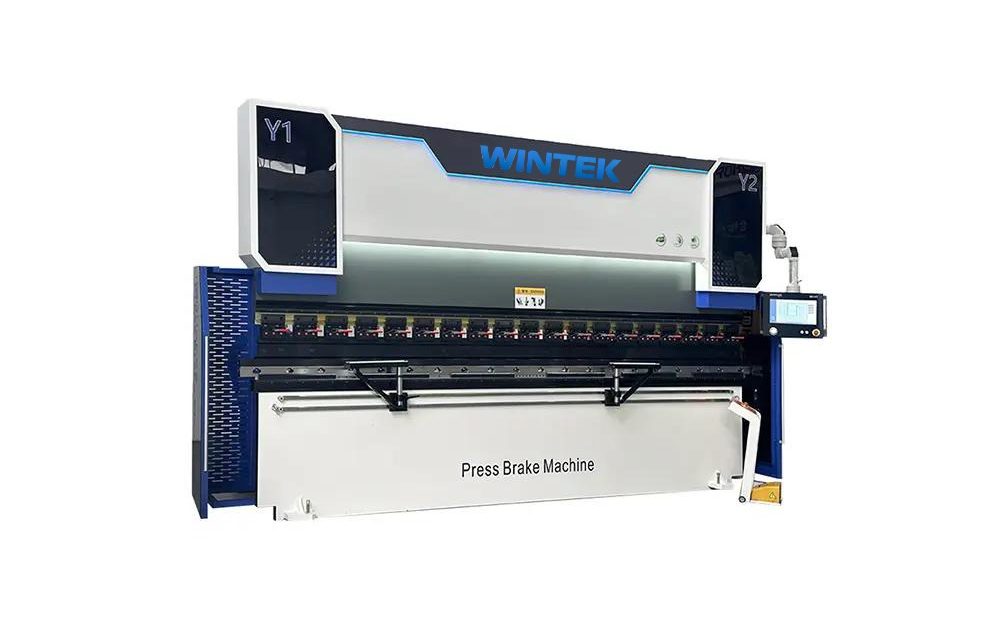
A hydraulic press brake is a machine designed to bend sheet metal and metal plates into specific shapes and angles. It uses hydraulic cylinders to generate the force required to press a punch into a die, creating controlled bends with high precision.
The machine can produce a variety of bending forms, including simple angles, channels, boxes, and complex profiles. Depending on the tooling configuration and machine capacity, hydraulic press brakes can process thin sheet metal as well as thick industrial plates.
Modern hydraulic press brakes are often equipped with CNC control systems, allowing operators to program bending sequences, control angles accurately, and improve production consistency.
How Hydraulic Press Brakes Work
The bending process begins when a metal sheet is positioned between the punch and die. Hydraulic cylinders drive the ram downward, applying controlled force to the material. As the punch presses the sheet into the die opening, the metal deforms and takes the desired shape.
The hydraulic system provides smooth and consistent pressure throughout the bending process. This allows operators to achieve accurate bending angles while minimizing material deformation and spring-back effects.
Because hydraulic force can be precisely controlled, the machine can handle a wide variety of materials and thicknesses while maintaining excellent repeatability.
High Bending Accuracy and Consistency
Precision is one of the primary reasons hydraulic press brakes remain popular in metal fabrication. Modern CNC hydraulic press brakes are capable of producing highly accurate bends with excellent repeatability.
Advanced control systems allow operators to program exact bending parameters, reducing the risk of human error and ensuring consistent results across large production runs. This is particularly important in industries where dimensional accuracy directly affects assembly quality and product performance.
Consistent bending accuracy also reduces material waste and minimizes the need for rework, helping manufacturers improve overall production efficiency.
Versatility Across Different Materials
One of the greatest advantages of hydraulic press brakes is their ability to process a wide range of metal materials. Manufacturers commonly use these machines to bend carbon steel, stainless steel, aluminum, galvanized steel, copper, and brass.
Different industries often require different material types and thicknesses. Hydraulic press brakes offer the flexibility needed to accommodate these varying production requirements without compromising quality.
This versatility makes them suitable for both general fabrication workshops and specialized manufacturing facilities that handle diverse projects.
Ability to Handle Various Thicknesses
Hydraulic press brakes are available in a wide range of tonnage capacities, enabling them to process materials of different thicknesses. Smaller machines can efficiently bend thin sheet metal used in cabinets, enclosures, and decorative products, while larger systems can handle heavy steel plates used in construction and industrial equipment manufacturing.
This capability allows businesses to select equipment that matches their production requirements while maintaining the flexibility to handle future projects.
The ability to process both light and heavy materials makes hydraulic press brakes a valuable long-term investment for growing fabrication companies.
Improved Productivity with CNC Technology
Modern hydraulic press brakes have evolved significantly with the introduction of CNC technology. Advanced controllers simplify machine operation and allow operators to create complex bending programs quickly and efficiently.
CNC systems can automatically calculate bending sequences, control ram movement, and compensate for material spring-back. These features reduce setup time and improve overall productivity.
For manufacturers handling multiple product designs and frequent production changes, CNC hydraulic press brakes offer significant efficiency advantages compared to conventional manual systems.
Wide Range of Industrial Applications
Hydraulic press brakes are used in nearly every sector of metal fabrication. In the construction industry, they are used to manufacture structural components, steel profiles, and architectural metal products.
Automotive manufacturers use hydraulic press brakes to produce brackets, chassis components, and body parts that require precise bending. Machinery manufacturers rely on them for producing frames, housings, and equipment panels.
The machines are also widely used in electrical cabinet production, kitchen equipment manufacturing, agricultural machinery, elevator systems, HVAC equipment, and custom sheet metal fabrication.
Their ability to produce both simple and complex parts makes them one of the most versatile machines in modern manufacturing.
Cost-Effective Metal Forming Solution
Compared with many specialized forming technologies, hydraulic press brakes offer excellent value for manufacturers. They provide high production flexibility without requiring expensive custom tooling for every application.
The combination of durable construction, long service life, and relatively low maintenance requirements contributes to a favorable return on investment. Businesses can use the same machine for a wide range of projects, reducing the need for multiple forming systems.
This cost-effectiveness is one of the reasons hydraulic press brakes remain a preferred choice for fabrication shops of all sizes.
Reliable Performance and Long Service Life
Industrial manufacturing environments demand equipment that can operate reliably under continuous workloads. Hydraulic press brakes are known for their robust construction and dependable performance.
High-quality machine frames, precision hydraulic systems, and durable components allow these machines to maintain accuracy over many years of operation. Regular maintenance and proper operation further extend equipment lifespan and reduce unexpected downtime.
For manufacturers seeking long-term production stability, hydraulic press brakes provide a proven and reliable solution.
Choosing the Right Hydraulic Press Brake
Selecting the right hydraulic press brake depends on several factors, including material type, thickness, bending length, production volume, and future expansion plans.
Manufacturers should carefully evaluate machine tonnage, working length, CNC features, and tooling options before making an investment. Choosing equipment that matches both current and future production requirements helps maximize productivity and long-term value.
Working with an experienced equipment supplier can also help ensure that the selected machine meets operational goals and delivers reliable performance.
Conclusion
Hydraulic press brakes continue to play a vital role in modern metal fabrication by providing accurate, efficient, and versatile bending solutions for a wide range of industries. Their ability to process different materials, handle varying thicknesses, and produce consistent bending results makes them an essential piece of manufacturing equipment.
With the integration of CNC technology, today’s hydraulic press brakes offer even greater productivity, precision, and operational flexibility. As manufacturers continue to pursue higher quality standards and more efficient production processes, hydraulic press brakes remain one of the most practical and reliable metal forming solutions available.
Wintek Laser is committed to providing advanced sheet metal fabrication solutions that help manufacturers improve efficiency and production quality. With reliable equipment, professional technical support, and a focus on innovation, Wintek helps customers achieve long-term success in today’s competitive manufacturing industry.
Address:
No. 2303, Building 4, United Fortune Plaza, No. 2177, Tianchen Road, High-tech Zone, Jinan City, China
Phone: 86-18769786070
Email: admin@winteklaser.com
Website: https://winteklaser.com/