Plasma Cutting Vs Laser Cutting: Which One Cuts Metal Better?
Metal cutting plays a critical role in modern manufacturing, fabrication, construction, and industrial production. Whether producing automotive components, structural steel parts, machinery frames, or custom metal products, choosing the right cutting technology can significantly impact productivity, product quality, and operating costs.
Among the most widely used thermal cutting methods today are plasma cutting and laser cutting. Both technologies can process a variety of metal materials and are widely adopted across multiple industries. However, they differ significantly in cutting precision, speed, operating costs, edge quality, and suitability for application.
For manufacturers looking to invest in new equipment or improve their production efficiency, understanding the differences between plasma cutting and laser cutting is essential. This article explores how each technology works, compares their performance, and helps determine which method cuts metal better for different applications.
Understanding Plasma Cutting Technology
Plasma cutting is a thermal cutting process that uses a high-velocity jet of ionized gas, known as plasma, to melt and remove metal. The plasma arc reaches extremely high temperatures, allowing it to cut electrically conductive materials such as carbon steel, stainless steel, aluminum, copper, and brass.
Plasma cutting systems have been widely used for decades because they offer relatively low equipment costs and strong cutting capabilities for thick metal plates. The process is commonly found in construction, heavy equipment manufacturing, shipbuilding, and repair industries where high precision is not always the primary requirement.
One of the main advantages of plasma cutting is its ability to cut thick materials quickly. However, because the plasma arc is wider than a laser beam, the cutting edge is generally rougher and requires more post-processing.
Understanding Laser Cutting Technology
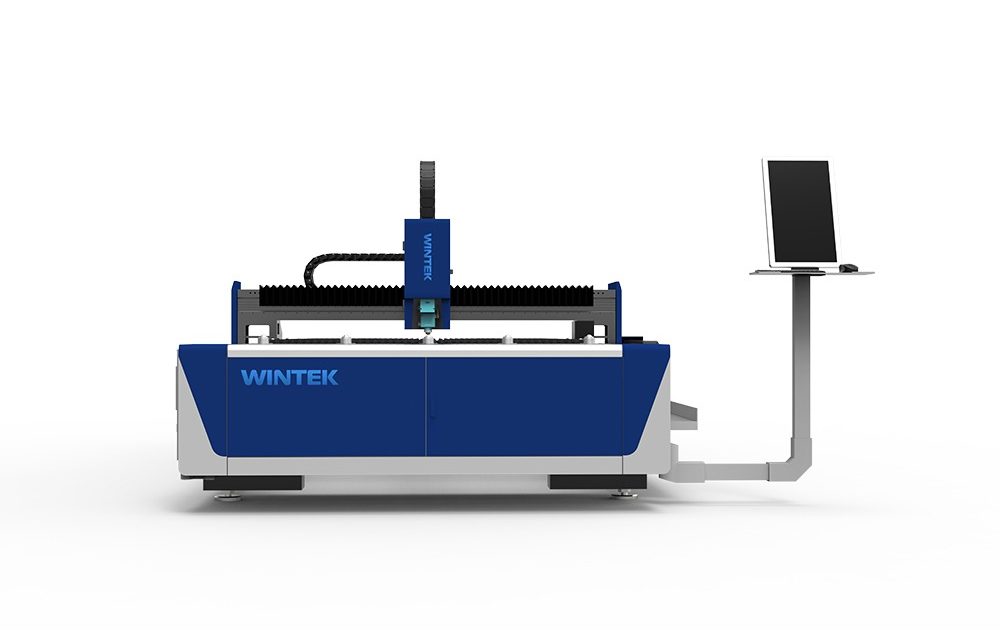
Laser cutting uses a highly concentrated laser beam to melt, burn, or vaporize material while assist gas removes molten metal from the cutting area. Modern fiber laser cutting machines have become the preferred choice for metal fabrication due to their exceptional precision, speed, and efficiency.
Fiber laser technology provides a much smaller cutting kerf and higher energy density than plasma cutting. This allows manufacturers to create complex shapes, detailed patterns, and precision components with excellent edge quality.
Laser cutting is widely used in industries such as sheet metal fabrication, automotive manufacturing, electronics, aerospace, kitchen equipment production, and precision engineering. Its ability to deliver accurate and repeatable results makes it ideal for both mass production and custom fabrication.
Cutting Precision Comparison
When comparing cutting precision, laser cutting clearly has an advantage. The laser beam is extremely focused, allowing for narrow kerf widths and highly accurate cuts. This level of precision is especially important when producing components that require tight tolerances or intricate geometries.
Plasma cutting, while effective for general fabrication, produces a wider cut and larger heat-affected zone. This can lead to less accurate dimensions and rougher edges. In many cases, additional grinding or machining may be required after cutting.
For manufacturers producing precision metal parts, decorative panels, electronic enclosures, or detailed components, laser cutting offers significantly better results.
Cutting Speed Comparison
Cutting speed depends on material type and thickness. For thin and medium-thickness sheet metal, fiber laser cutting machines typically operate faster than plasma cutting systems while maintaining superior cut quality.
As material thickness increases, plasma cutting remains competitive and can sometimes provide faster processing speeds on very thick carbon steel plates. However, these speed advantages are often offset by the need for secondary finishing processes.
In modern sheet metal fabrication environments, laser cutting generally provides a better balance between speed and quality, helping manufacturers increase overall productivity.
Edge Quality and Surface Finish
Edge quality is one of the most noticeable differences between the two technologies. Fiber laser cutting produces smooth, clean edges with minimal burr formation. In many applications, laser-cut parts can move directly to welding, bending, or assembly without additional finishing.
Plasma cutting typically leaves a rougher edge and may create more dross on the bottom of the cut. This often requires grinding or cleaning before further processing can take place.
The superior edge quality of laser cutting reduces labor costs and improves production efficiency, especially for manufacturers producing high-value or appearance-sensitive products.
Material Thickness Capabilities
Both plasma cutting and laser cutting can process a wide range of material thicknesses, but their strengths differ.
Plasma cutting is traditionally preferred for very thick metal plates. Heavy fabrication industries often use plasma systems for cutting thick structural steel where edge quality is less critical.
Fiber laser technology has advanced rapidly in recent years. High-power laser cutting machines can now process significantly thicker materials than earlier generations while maintaining excellent precision and cut quality. This has expanded the range of applications where laser cutting can replace plasma cutting.
For thin and medium-thickness materials, laser cutting is generally considered the superior option. For extremely thick plate processing, plasma cutting may still provide certain advantages depending on production requirements.
Operating Costs and Efficiency
Operating costs are an important consideration when selecting a metal cutting solution. Plasma cutting systems generally have a lower initial purchase price, making them attractive for businesses with limited budgets.
However, fiber laser cutting machines offer several long-term cost advantages. Fiber lasers are highly energy efficient, require less maintenance, and consume fewer replacement parts than traditional cutting systems.
Because laser cutting produces cleaner edges and higher accuracy, manufacturers can also reduce secondary processing costs and improve material utilization. Over time, these factors contribute to a lower overall cost per part.
Automation and Production Flexibility
Modern manufacturing increasingly relies on automation to improve productivity and reduce labor costs. Fiber laser cutting machines are highly compatible with automated loading systems, material handling equipment, and intelligent production management software.
The precision and repeatability of laser cutting make it ideal for automated manufacturing environments where consistency is critical. Manufacturers can quickly switch between different designs without changing tooling, improving production flexibility.
Although plasma cutting systems can also be automated, laser cutting generally offers greater adaptability for high-volume and precision manufacturing applications.
Industry Applications
Plasma cutting remains popular in industries such as shipbuilding, heavy construction, steel structure fabrication, and equipment repair. These applications often involve thick materials where cutting speed and lower equipment costs are priorities.
Laser cutting dominates industries that require precision, efficiency, and superior product quality. Automotive manufacturing, aerospace engineering, electronics production, sheet metal fabrication, appliance manufacturing, and decorative metal processing all benefit from the advantages of fiber laser technology.
As laser systems continue to become more powerful and cost-effective, their adoption across industrial sectors continues to expand.
Which One Cuts Metal Better?
The answer depends largely on the application. If the primary goal is cutting extremely thick metal at a lower initial investment cost, plasma cutting may be the preferred solution. It remains an effective technology for heavy industrial fabrication where precision is not the highest priority.
However, for most modern manufacturing applications, laser cutting delivers superior overall performance. It offers higher precision, better edge quality, greater energy efficiency, improved automation compatibility, and lower long-term operating costs.
For businesses focused on productivity, product quality, and competitive manufacturing capabilities, fiber laser cutting is generally the better choice.
Conclusion
Both plasma cutting and laser cutting have important roles in modern metal processing. Plasma cutting continues to serve heavy fabrication industries that require cost-effective cutting of thick materials, while laser cutting has become the preferred technology for manufacturers seeking precision, speed, and high-quality results.
Advancements in fiber laser technology have significantly expanded the capabilities of laser cutting systems, making them suitable for a wider range of materials and applications than ever before. As manufacturers continue to pursue greater efficiency and automation, the advantages of laser cutting are becoming increasingly clear.
Wintek Laser is committed to providing advanced fiber laser cutting solutions that help manufacturers improve productivity, reduce operating costs, and achieve superior cutting quality. With innovative technology, reliable performance, and professional support, Wintek helps businesses stay competitive in today’s rapidly evolving manufacturing industry.
Address:
No. 2303, Building 4, United Fortune Plaza, No. 2177, Tianchen Road, High-tech Zone, Jinan City, China
Phone: 86-18769786070
Email: admin@winteklaser.com
Website: https://winteklaser.com/