What Should I Pay Attention To When Buying a Second-Hand / used Muototera FinJer H 3020?
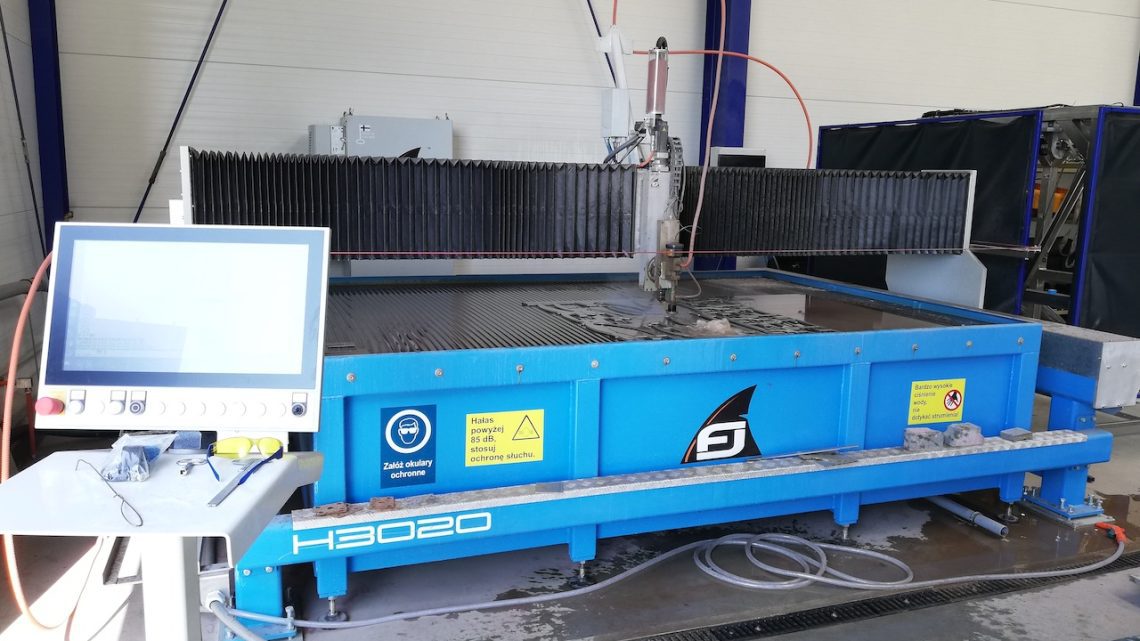
Here are important things to check when buying a second-hand Muototerä FinJet H 3020 (waterjet cutting machine), based on its specs, typical wear points, and what tends to go wrong with waterjets. If you like, I can also send you a detailed checklist you can take to inspect one in person.
What the FinJet H-series (H 3020) Is & What to Expect
Before inspecting, it helps to know what the machine should be, so you can spot deviations. From the information I gathered:
- The FinJet H-series is a modular, heavy-duty portal (gantry) waterjet cutting machine.
- The H3020 has a cutting area of ≈ 3100 × 2100 mm.
- Typical features/specs include:
• Positioning accuracy: ± 0.025 mm per meter.
• Repeatability: ± 0.015 mm.
• Z-axis height ~200 to 300 mm (depending on configuration).
• X/Y axes max speed: around 15 / 40 m/min (depending on if “linear motors” are used or more standard mechanical drives) for standard configuration. - Components like THK linear guides, precision ball screws, robust frame, possible options for multiple heads (2D / bevel / automatic nozzle tilting) etc.
Knowing all that gives you something to match the machine under inspection.
What to Pay Attention to / Inspect Closely
Because a waterjet is a complex machine exposed to harsh conditions (abrasive, water, high pressure, etc.), there are many wear and risk points. Here are the main areas you should verify.
| Area | What to Check / Test | Why It Matters / What Can Go Wrong |
|---|---|---|
| High-Pressure Pump | • Hours on the pump; history of servicing. • Whether it maintains rated pressure reliably (no big fluctuations). • Condition of pump seals and cylinders. • Origin & condition of spare parts (pistons, orifices, etc.). • Whether the pump is original (brand like KMT SL-VI etc.) vs aftermarket / rebuilt. | The pump is a key cost and wear centre. A failing pump is expensive to service or replace. If seals are worn, pressure may drop, cutting quality suffer. Pumps run many hours. |
| Cutting Head / Nozzle / Orifice / Mixing Tube / Nozzle Height / Z-axis | • Condition of the nozzles/orifice, mixing tube, whether there are signs of erosion. • Whether the automatic nozzle height control (if present) works correctly. • Whether Z-axis travel is full / as advertised; check for wear or drift in the head height. • If there is nozzle rotation / bevel head, check its function and accuracy / repeatability. • Check whether the collision sensor works. | These parts are small but critical. If the nozzle is worn, cut kerf widens, parts may be out of tolerance. The height control keeps cut quality and edge finish good. Damage here causes operational issues. |
| Axes, Linear Guides & Screws, Bearings | • Inspect linear guides (THK etc.) for wear, scoring, pitting. Are they protected (bellows, lip/seal)? • Check ball screws or drive belts / racks / pinions depending on drive style for backlash or slack. • Drive motors / servo motors: whether they run smoothly, overheated, if any vibration / noise. • Check repeatability by moving to same coordinates repeatedly and measuring. • At travel limits, test for binding or drop in accuracy. | If the motion system is worn, positioning accuracy and repeatability suffer. Also, wear increases maintenance and parts cost. |
| Frame / Structure / Bed / Tank / Water Containment | • Is the frame straight, square; any bending or damage (especially after transport)? • The cutting table/basin: whether it has been corroded by water/abrasive; condition of grid slats (if used). • Pump-in/tank water containment: corrosion, leaks, structural damage. • Protection of frame: rubber lips, bellows, covers to keep abrasive/water out of rails or mechanical parts. • Adequacy of drainage, waste handling (abrasive removal systems), abrasive feed systems. | A compromised tank or frame misalignment leads to poor cuts, alignment issues. Corrosion or leaks can worsen quickly. If fluids / abrasives reach mechanical parts, wear accelerates. |
| Control System / CNC / Software | • Which controller/software version is installed; check that it’s up to date and supported. • Whether the control handles the number of heads / bevels / auto nesting etc., as claimed. • Check inputs/outputs, sensors (height sensor, collision sensor, nozzle distance etc.) are functioning. • Check user interface (screen, controls, feedback). • Error logs, service history. • Whether spare parts and replacement electronics are available. | A modern, well-supported control saves headaches. Faulty sensors or controllers can cause mis-cuts, safety risks, or downtime. Replacing obsolete electronics can be costly. |
| Water / Abrasive Supply & Quality Systems | • Abrasive feed monitoring: equipment and sensors (are they working). • Abrasive removal/waste systems: can they handle volume; is the abrasive feed clean / filtered; is there too much dust or abrasive in undesirable places. • Water filtration, cooling systems, clean water supply, water quality. • Corrosion or scale in water circuits. • Pumps for water, cooling, oil-air coolers (if used). • Manual or automatic abrasive sieves etc. | Poor abrasive or water quality degrades cut quality, wears down the nozzle/orifice, or causes clogging. Cooling/water filtration affect pump life and overall reliability. |
| Accuracy, Cutting Tests & Alignment | • Perform some test cuts: straight lines, circles, corners; measure edge quality, kerf, taper. • Check positioning accuracy: move to known coordinates and measure actual position. • Repeatability: make same cut or move multiple times. • Check across full work area; sometimes edges are less precise. • Warm-up behavior: does it shift or drift after hours of operation. • Check alignment of cutting head relative to guide rails/bearings. | Spec says ± 0.025 mm/m etc; if machine can’t meet something near that, its value drops. Test cuts reveal real performance. Edge areas often weaker. Thermal or structural drift can degrade accuracy. |
| Wear / Hours / Maintenance History | • Total working hours vs pump hours vs idle time. • Maintenance records: when parts replaced, when calibrations done, servicing schedule. • If heads have been replaced; nozzle orifices; mixing tubes; seals. • Whether the machine has had any collisions or accidents (nozzle crashes, etc.). • Condition of consumables: spare nozzles, spare orifice, spare mixing tubes. • General environmental history: dusty, corrosive, wet or very hot conditions. | A well-maintained waterjet with spare parts ready is much more valuable. Machines used in tough environments degrade faster. Collisions damage nozzles or guide rails; may imply underlying damage. |
| Facility / Installation / Infrastructure Requirements | • Power requirements (pump power, drive motors, electronics), air supply (if used), compressed air (for sensors etc.), cooling capacity. • Floor foundations: supports heavy weight, vibration, stability. • Water supply and drainage; waste abrasive disposal; environmental handling. • Space around the machine for maintenance, nozzle access, access to pumps etc. • Transport logistics: getting the machine into / out of facility (size, weight). | Even a “good” machine can cost a lot more to bring into working condition if facility isn’t ready. Poor installation leads to misalignment, vibration, safety issues. |
| Safety Features & Certification | • Emergency stop functions; collision sensors; nozzle crash protection; height sensors. • Guards, covers to protect operators from water, abrasive spray. • Whether the machine is CE certified (if needed for your country), other local safety / regulatory compliance. • Environmental controls: ventilation, dust / abrasive containment. • Condition of electrical enclosures, safety interlocks. | Safety is important both for legal/regulatory compliance and for operator health. Missing or broken safety features can also be expensive to retrofit. |
Red Flags & Things That Could Significantly Affect Cost / Value
If you find any of these, either negotiate heavily or walk away depending on severity:
- A high-pressure pump that is near end of life, with missing maintenance records, or requiring expensive overhaul.
- Nozzle or head heavily worn or damaged, with no spare parts included.
- Linear guides / screws or drive systems badly worn, rusted, or damaged.
- Major corrosion in the cutting table / basin, or structural components damaged.
- Sensors (height, collision, nozzle distance) not working or missing.
- Crack / misalignment in frame or damaged bed leading to geometric errors.
- Electrical / controller issues: missing spare parts, obsolete control, frequent failure.
- Environmental exposure: machine stored outdoors, exposed to water/rust, in very dirty or abrasive atmosphere without protection.
- No clear maintenance / service history.
What Are Reasonable Expectations (Specs vs Real-World)
Given the published specs, here are what you can reasonably expect if the machine is in good condition & well maintained:
- Accuracy around ± 0.025 mm/m or close in good parts of the travel (central area), maybe slightly worse near edges.
- Repeatability around ± 0.015 mm or so.
- Good quality cuts, minimal taper if nozzle height control and head maintenance are good.
- Pump pressure holds steady; nozzle changes / wear should be manageable within consumables budget.
- Operational hours that are credible relative to the machine’s life, pump service schedule, etc.