22/09/2025
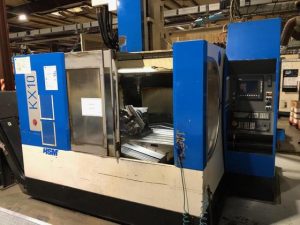
What Should I Pay Attention To When Buying a Second-Hand / used Huron KX8?
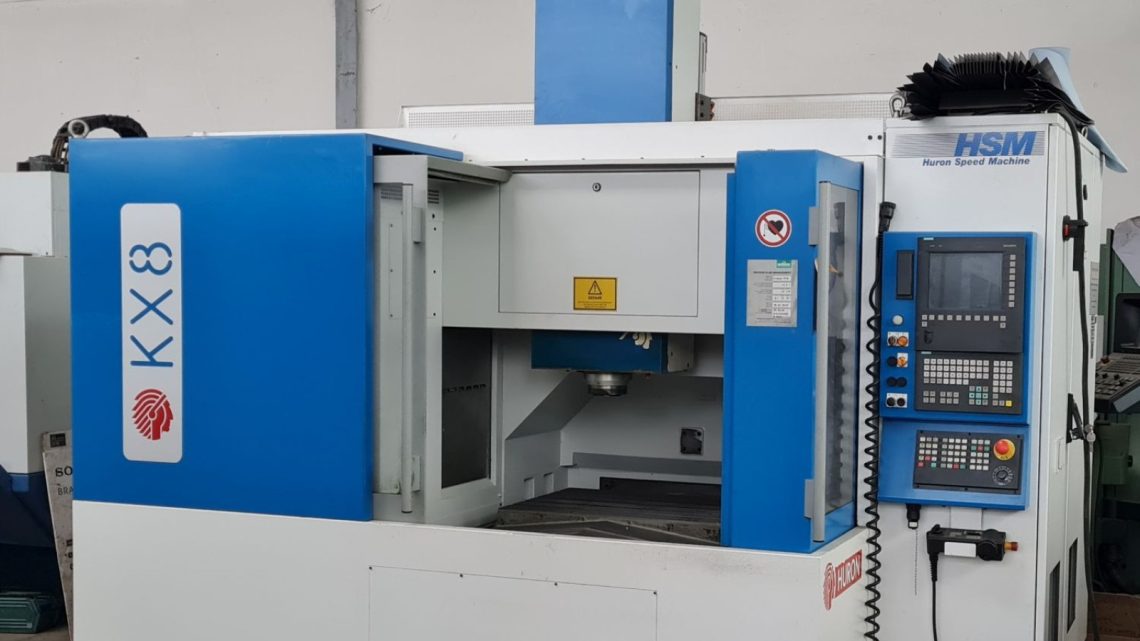
If you’re looking at a used Huron KX8 vertical machining center (or HSC KX8 / KX-8), here are what to check, test, and ask to avoid surprises.
Key Specs to Know / What the Machine Should Be
Understanding the expected specs helps you verify the seller’s claims and spot potential exaggeration. A typical Huron KX8 might have:
- Travel in X, Y, Z ~ 700 × 500-600 × 450 mm.
- Table size around 800 × 600 mm, table load ~ 500 kg.
- Spindle with high RPM (up to ~ 24,000 rpm) for some versions.
- Tool changer: ~ 20 tools.
- Controller often Sinumerik 840D or similar high-end CNC control.
- Power & utility needs: relatively heavy machine (several tonnes: ~ 8 tons for some units), substantial power consumption.
What to Inspect & Test
These are items to physically check, test out, or get good information on before buying.
- Spindle & Bearing Condition
- Check spindle run-out (radial & axial) using dial indicators; check the taper for wear.
- Run spindle at different speeds: from slow to high. Listen for noise, vibration, unusual heating.
- Under load, is it holding RPM without undue stress or vibration?
- Ways / Linear Guides / Ball Screws
- Move each axis through full travel ‒ check for binding, rough spots, or change in resistance.
- Inspect way covers, seals: are they damaged, allowing chips / coolant in?
- Check backlash and repeatability on X, Y, Z.
- Tool Changer (ATC) & Tool Holders
- Test tool changes: does every station work? Are there mispicks, misfeeds?
- Check condition of holders (HSK, A63 etc.), sockets, grippers. Any wear or damage.
- Inspect tool change speed, reliability.
- Controller / CNC Electronics
- Boot up control: all functions / display / buttons should work cleanly.
- Check error and alarm history. Are there persistent faults?
- Homing / limit switches: do they work precisely?
- Coolant & Internal Cooling
- If TSC (through-spindle coolant) or internal cooling is fitted, check its performance ‒ flow, pressure, leakage.
- Inspect coolant condition (cleanliness, oil contamination, filtering).
- Chip Removal / Swarf Management
- Check conveyors, chip pans, filtration systems. Are they maintained, cleaned? Chips buildup or poor disposal leads to many downstream issues.
- Table & Load Capacity
- Inspect table top for wear, damage, T-slots condition.
- Confirm table load rating and test under load if possible (to see deflection or sag).
- Power / Utilities & Cabinet Condition
- Check electrical cabinet: clean, no water / coolant damage, wiring good, no burnt smell.
- Make sure the machine’s power requirements (voltage/phase) match your workshop.
- Cooling for cabinet / drives; fans, filters working.
- Hours & Usage / Maintenance History
- Ask for hours of operation; distinguish between idle hours and cutting hours.
- Maintenance history: when were bearings replaced, when were way seals checked, when were guides lubricated, etc.
- Any known crash / repairs.
- Accuracy & Test Machining
- Cut a test piece or run sample program representative of your work. Measure dimension, surface finish, repeatability.
- Check whether accuracy holds after some warm-up.
- Safety & Guards
- Emergency stops, interlocks, safety doors / guards present and functional.
- Chip guards, splash guards, etc.
- Physical Condition / Cleanliness
- Visual inspection for rust, corrosion, damage.
- Cleanliness inside working area: chips, coolant residue, etc.
Known Weak Spots & What to Ask For
These are things that tend to cause problems in used KX8 machines; asking about them can save headaches.
- Way lubrication leaks or lube-system issues: some owners report way-lube lines leaking or excessive oil use. It might be because of a bad manifold or seals.
- Spindle usage: how often over RPM, how often under heavy load. High RPM use increases wear on bearings.
- ATC problems: tool station wear, gripper wear, indexing issues.
- Controller / electronics aging: parts obsolescence, software versions, backup copies.
- Coolant / coolant‐through-spindle seals deteriorating especially if coolant contaminated.
- Wear in table / T-slot surface; damage from large workpieces or fixtures.