What is Thermal Analysis System?
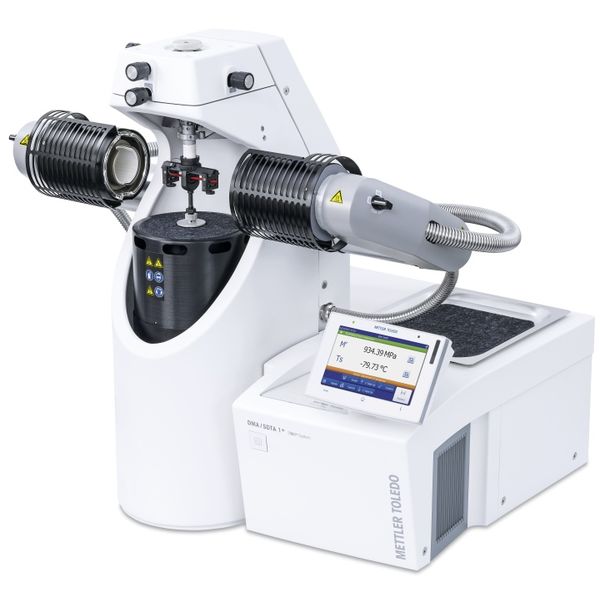
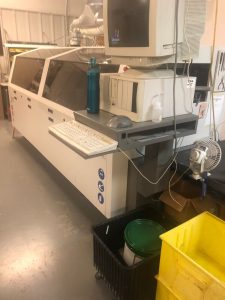
A Thermal Analysis System is an instrument used to study the physical and chemical properties of materials as a function of temperature or time under controlled conditions. The image depicts a Differential Scanning Calorimetry (DSC) system, a common type of thermal analysis equipment.Technically, it measures the heat flow associated with phase transitions and chemical reactions in a sample as it is heated, cooled, or held at a constant temperature. The system typically includes:
- Sample and Reference Chambers: Two identical pans, one containing the sample and the other empty or with a reference material, are heated or cooled at a controlled rate.
- Sensors: High-precision thermocouples or heat flux sensors detect temperature differences between the sample and reference, generating data on heat flow.
- Furnace: A controlled heating/cooling unit maintains precise temperature profiles, often ranging from -150°C to 700°C or higher, depending on the model.
- Gas Flow System: Inert gases (e.g., nitrogen) or reactive gases are used to create a controlled atmosphere, preventing oxidation or facilitating specific reactions.
- Data Acquisition: The system records parameters like temperature, heat flow, and time, displayed on an integrated screen or software interface.
In the DSC system shown, the display indicates parameters such as sample temperature (e.g., 54.3°C) and heat flow (e.g., -0.39 mW), which are used to analyze properties like melting point, glass transition temperature, crystallinity, and reaction enthalpies. This data is critical in materials science, polymer research, and pharmaceuticals for quality control and material characterization.