What is The Production of Metal Insulating Panels
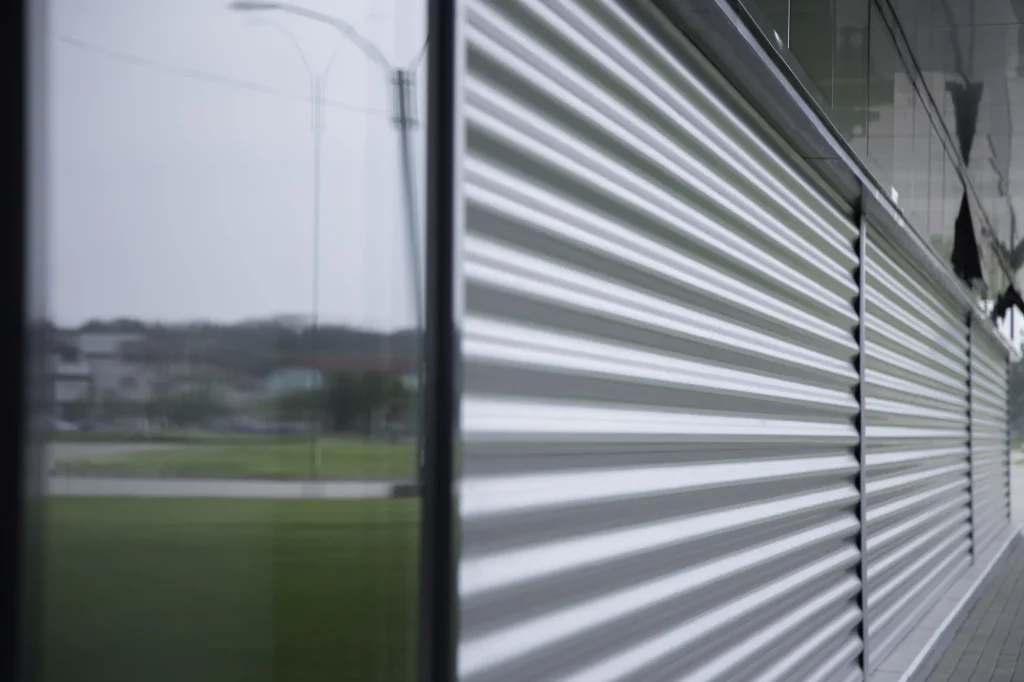
The production of metal insulating panels, often referred to as insulated metal panels (IMPs) or sandwich panels, involves a manufacturing process that combines metal facings with an insulating core to create lightweight, durable, and energy-efficient building components. These panels are widely used in construction for walls, roofs, and cladding due to their thermal insulation, structural strength, and aesthetic versatility. Below is a technical explanation of the production process:
Overview of Metal Insulating PanelsMetal insulating panels consist of:
- Outer facings: Two thin metal sheets (typically steel or aluminum, often pre-painted or coated for corrosion resistance).
- Insulating core: A material such as polyurethane (PU), polyisocyanurate (PIR), expanded polystyrene (EPS), or mineral wool, providing thermal insulation and sometimes fire resistance.
- Adhesive or bonding mechanism: Ensures the core adheres to the metal facings.
The production process is highly automated and typically occurs in a continuous or semi-continuous manufacturing line to ensure consistency and efficiency.
Production ProcessThe production of metal insulating panels involves several key stages, which are detailed below:1. Preparation of Metal Facings
- Material selection: High-strength, corrosion-resistant metals like galvanized steel, stainless steel, or aluminum are chosen. The metal is typically 0.4–0.8 mm thick and may be pre-coated with protective layers (e.g., polyester, PVDF, or zinc coatings) for durability and aesthetics.
- Coil handling: Metal is supplied in large coils, which are unwound and fed into the production line.
- Profiling: The metal sheets are roll-formed to create specific profiles (e.g., flat, ribbed, or corrugated) that enhance structural rigidity and allow interlocking or overlapping during installation. Roll-forming machines use a series of rollers to shape the metal continuously.
- Cleaning and priming: The metal surfaces are cleaned to remove oils or contaminants, and a primer or adhesive promoter may be applied to improve bonding with the insulating core.
2. Preparation of the Insulating CoreThe insulating core is the critical component that provides thermal and acoustic insulation. The core material is selected based on the panel’s intended application (e.g., fire resistance, thermal performance). Common core materials include:
- Polyurethane (PU) or Polyisocyanurate (PIR):
- These are produced by mixing two liquid components: a polyol and an isocyanate, along with a blowing agent (e.g., pentane).
- The mixture is injected or poured between the metal facings, where it reacts, expands, and hardens into a rigid foam with excellent insulation properties (thermal conductivity, or λ, typically 0.02–0.025 W/m·K).
- PIR is preferred for fire-resistant applications due to its higher thermal stability.
- Expanded Polystyrene (EPS):
- Pre-expanded polystyrene beads are steamed and molded into a solid core or bonded to the metal facings. EPS has a higher λ (around 0.03–0.04 W/m·K) but is cost-effective.
- Mineral Wool:
- Made from spun fibers of molten rock or slag, mineral wool is non-combustible and provides excellent fire resistance and sound insulation. It is denser and less thermally efficient (λ ~0.035–0.045 W/m·K) than PU/PIR.
- Other cores: Less common materials like phenolic foam or extruded polystyrene (XPS) may be used for specific applications.
The core material is either pre-formed (for EPS or mineral wool) or foamed in-place (for PU/PIR) during the assembly process.3. Panel AssemblyThe assembly process integrates the metal facings and insulating core. This is typically done in one of two ways:
- Continuous Production Line (for PU/PIR cores):
- Metal feeding: Two metal coils (for top and bottom facings) are unwound and fed into the production line.
- Profiling and pre-heating: The metal sheets are roll-formed into the desired shape and may be preheated (to 40–60°C) to enhance foam adhesion.
- Foam injection: The liquid PU/PIR mixture is injected between the two metal sheets using a high-pressure foaming machine. The mixture expands and fills the cavity, bonding to the metal facings as it cures.
- Pressing and curing: The panel passes through a conveyor press (double-belt conveyor) that maintains pressure and temperature (typically 40–70°C) to ensure uniform foam expansion and curing. The conveyor speed and temperature are precisely controlled to achieve the desired foam density (typically 35–45 kg/m³ for PU/PIR).
- Cutting: Once cured, the continuous panel is cut to the desired length using automated saws or blades.
- Discontinuous Production (for EPS, mineral wool, or custom panels):
- Pre-formed core slabs (EPS or mineral wool) are cut to size and placed between the metal facings in a mold or press.
- Adhesive is applied to bond the core to the metal sheets, or the core is mechanically fixed.
- The assembly is pressed under controlled pressure and temperature to ensure proper bonding.
- Panels are trimmed and finished as needed.
4. Quality Control and Finishing
- Quality checks: Panels are inspected for dimensional accuracy, foam density, adhesion strength, surface defects, and thermal performance. Non-destructive testing (e.g., ultrasonic or thermal imaging) may be used to detect voids or delamination in the core.
- Edge sealing and profiling: Panel edges may be sealed or shaped (e.g., tongue-and-groove or overlapping joints) to ensure airtight and watertight connections during installation.
- Surface treatment: Additional coatings or embossing may be applied to the metal facings for aesthetic or functional purposes.
- Packaging: Panels are stacked, wrapped, and prepared for shipping, with protective films applied to prevent scratches or damage.
5. Automation and Process ControlModern production lines are highly automated, using:
- PLC (Programmable Logic Controllers): To control roll-forming, foam injection, and curing parameters.
- Sensors: To monitor foam density, panel thickness, and curing temperature.
- Robotics: For handling, cutting, and stacking panels.
- Data logging: To ensure traceability and compliance with standards (e.g., ISO 9001, EN 14509 for European markets).
Technical Specifications and Considerations
- Panel dimensions: Typical widths are 1–1.2 meters, with lengths up to 12–15 meters, depending on the production line. Thickness varies from 30 mm to 200 mm, depending on insulation requirements.
- Thermal performance: The U-value (overall heat transfer coefficient) of the panel depends on the core material and thickness. For example, a 100 mm PU panel may achieve a U-value of ~0.2 W/m²·K.
- Fire performance: PIR and mineral wool cores offer better fire resistance than PU or EPS. Panels are tested to standards like EN 13501-1 for fire classification.
- Structural strength: The metal facings provide tensile strength, while the core contributes to shear resistance. Panels are designed to withstand wind loads, snow loads, and thermal expansion.
- Environmental considerations: Modern production lines aim to minimize waste and use eco-friendly blowing agents (e.g., pentane instead of CFCs). Recycling of metal and core materials is also a focus.
Challenges in Production
- Foam uniformity: Ensuring consistent foam density and adhesion across large panels requires precise control of the chemical reaction and curing process.
- Thermal expansion: Differences in thermal expansion between the metal facings and core can cause warping if not properly managed.
- Quality control: Defects like voids, delamination, or surface imperfections can compromise performance and must be minimized.
- Customization: Balancing automation with the need for custom panel sizes or profiles can increase production complexity.
ApplicationsMetal insulating panels are used in:
- Commercial and industrial buildings: Warehouses, factories, and cold storage facilities.
- Residential construction: For energy-efficient walls and roofs.
- Specialized applications: Cleanrooms, agricultural buildings, and modular structures.
This process combines advanced materials science, precision engineering, and automation to produce high-performance building components.