28/09/2025
What is Hydraulic Die Forging Hammer?
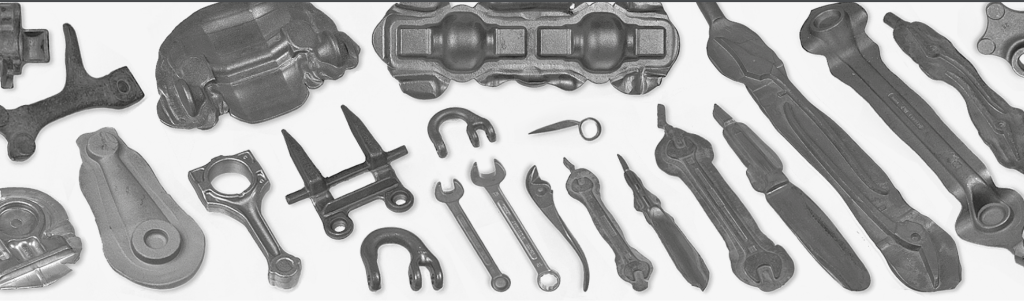
A Hydraulic Die Forging Hammer is a heavy forging machine used in metal forming that applies force through hydraulic pressure to operate a ram (hammer) which deforms heated metal within a die. It is one of the key machines in forging plants for producing high-strength, precision-shaped components.
Here’s a technical explanation:
1. Working Principle
- Hydraulic Power Source:
The hammer uses high-pressure hydraulic fluid to accelerate a heavy ram vertically. - Die Forging Process:
The heated billet or workpiece is placed in a lower die. The ram, fitted with the upper die, strikes down onto the workpiece, shaping it into the cavity. - Energy Application:
Unlike mechanical hammers (driven by flywheels) or steam hammers, the hydraulic hammer delivers blows with controlled energy, making it precise and repeatable.
2. Main Components
- Ram (Hammer Head):
Heavy moving part (often several tons) delivering impact energy. - Upper & Lower Dies:
Shaped tooling mounted on the ram and anvil; form the final geometry of the part. - Hydraulic System:
Pumps, accumulators, and valves generate and regulate high-pressure oil (typically 100–200 bar). - Anvil & Frame:
Rigid structure that absorbs the reaction force of blows. - Control System:
Allows operators to regulate blow energy, frequency, and stroke for different forging operations.
3. Technical Characteristics
- Blow Energy:
Typically ranges from tens to hundreds of kilojoules depending on machine size (e.g., 63 kJ, 200 kJ, up to 1000+ kJ). - Blow Frequency:
Around 40–100 blows per minute, depending on workpiece and die size. - Stroke:
Adjustable ram stroke (hundreds of millimeters) to adapt for different billet and die heights. - Control Accuracy:
Energy per blow can be finely controlled — beneficial for precision forging.
4. Advantages over Mechanical/Steam Hammers
- Controlled Energy: No “over-forging”; blow force is adjustable.
- Less Noise & Vibration: Hydraulic cushioning reduces shock to foundations.
- Material Savings: More efficient metal flow in closed-die forging.
- Flexibility: Suitable for forging both small precision parts and large components.
- Automation Ready: Modern hydraulic hammers integrate with robots and manipulators.
5. Applications
- Automotive: Crankshafts, connecting rods, gears.
- Aerospace: Turbine discs, landing gear parts.
- Heavy Machinery: Shafts, axles, press components.
- Energy Industry: Valves, pipeline fittings, power plant components.
In summary:
A Hydraulic Die Forging Hammer is a forging machine that uses hydraulic pressure to drive a heavy ram, delivering precisely controlled impact energy onto heated metal in a die. This ensures high-quality, repeatable forging of complex shapes with reduced vibration and improved efficiency compared to traditional mechanical or steam hammers.