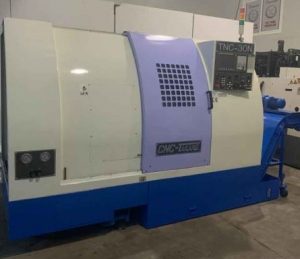
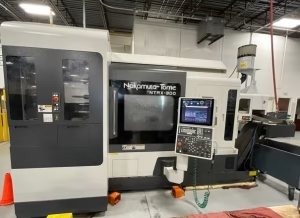
What is CNC Cannula Grinding Machine?
A CNC cannula grinding machine is a specialized type of CNC (Computer Numerical Control) machine designed specifically for the manufacturing and sharpening of cannulas. Cannulas are thin tubes or needles used in medical procedures, such as injections, IVs, and other surgical applications. The grinding machine ensures that these cannulas are produced with high precision and to specific sharpness requirements, which is crucial for their performance in medical applications.
Key Features and Components of a CNC Cannula Grinding Machine
- Grinding Wheel:
- A critical component that performs the actual grinding of the cannula. The grinding wheel’s material and grit size are chosen based on the desired sharpness and finish of the cannula.
- CNC Control System:
- Provides precise control over the grinding process. The system allows for programmable settings and adjustments, ensuring consistent and repeatable results.
- Workholding Mechanism:
- Securely holds the cannula in place during the grinding process. This can include chucks, collets, or custom fixtures designed to hold the thin and delicate cannulas without causing damage.
- Automated Loading and Unloading:
- Some machines feature automated systems for loading raw cannulas and unloading finished products, increasing efficiency and throughput.
- Cooling System:
- Uses coolant to prevent overheating of the cannula and grinding wheel, which helps maintain the quality of the grind and extends the life of the grinding wheel.
- Inspection and Measurement Systems:
- Integrated systems for inspecting and measuring the cannulas during and after grinding to ensure they meet precise specifications.
Functions and Capabilities
- Precision Grinding:
- The machine can grind cannulas to very tight tolerances, ensuring the correct angle and sharpness required for medical applications.
- Customization:
- Allows for the customization of grind profiles to meet different medical requirements. Various types of grinds (e.g., lancet, bevel, trochar) can be achieved.
- High Throughput:
- Designed for high-volume production while maintaining high precision and consistency. Automation features further enhance throughput.
- Surface Finish:
- Produces a high-quality surface finish that is critical for the smooth insertion of the cannula into the body.
Applications
- Medical Needles: Manufacturing needles for injections, biopsies, and other medical procedures.
- IV Cannulas: Producing intravenous cannulas for fluid and medication delivery.
- Surgical Instruments: Grinding various surgical instruments that require precise and sharp edges.
Examples of CNC Cannula Grinding Machines
- Glebar TF-9DHD:
- A centerless grinder designed for the precise production of guidewires and cannulas with tight tolerances.
- Royal Master TG-12×4:
- A compact centerless grinder used for grinding small-diameter medical components, including cannulas.
- Schütte WU325 Linear:
- A versatile grinding machine that can handle various medical grinding tasks, including the grinding of cannulas.
Advantages of CNC Cannula Grinding Machines
- Precision and Accuracy: Ensures that cannulas are produced to exact specifications, which is crucial for their performance and safety in medical applications.
- Consistency: Provides repeatable results, which is important for high-volume production.
- Efficiency: Automates many aspects of the grinding process, increasing productivity and reducing manual labor.
- Customization: Capable of producing a wide range of cannula shapes and sizes to meet different medical needs.
Conclusion
A CNC cannula grinding machine is an essential tool in the medical manufacturing industry, providing the precision, accuracy, and efficiency required to produce high-quality cannulas and medical needles. These machines leverage advanced CNC technology to ensure consistent and repeatable results, making them indispensable for high-volume production in the medical field.