What is Automated inspection machine used for ampoules,vials and cartridges filled with liquid products
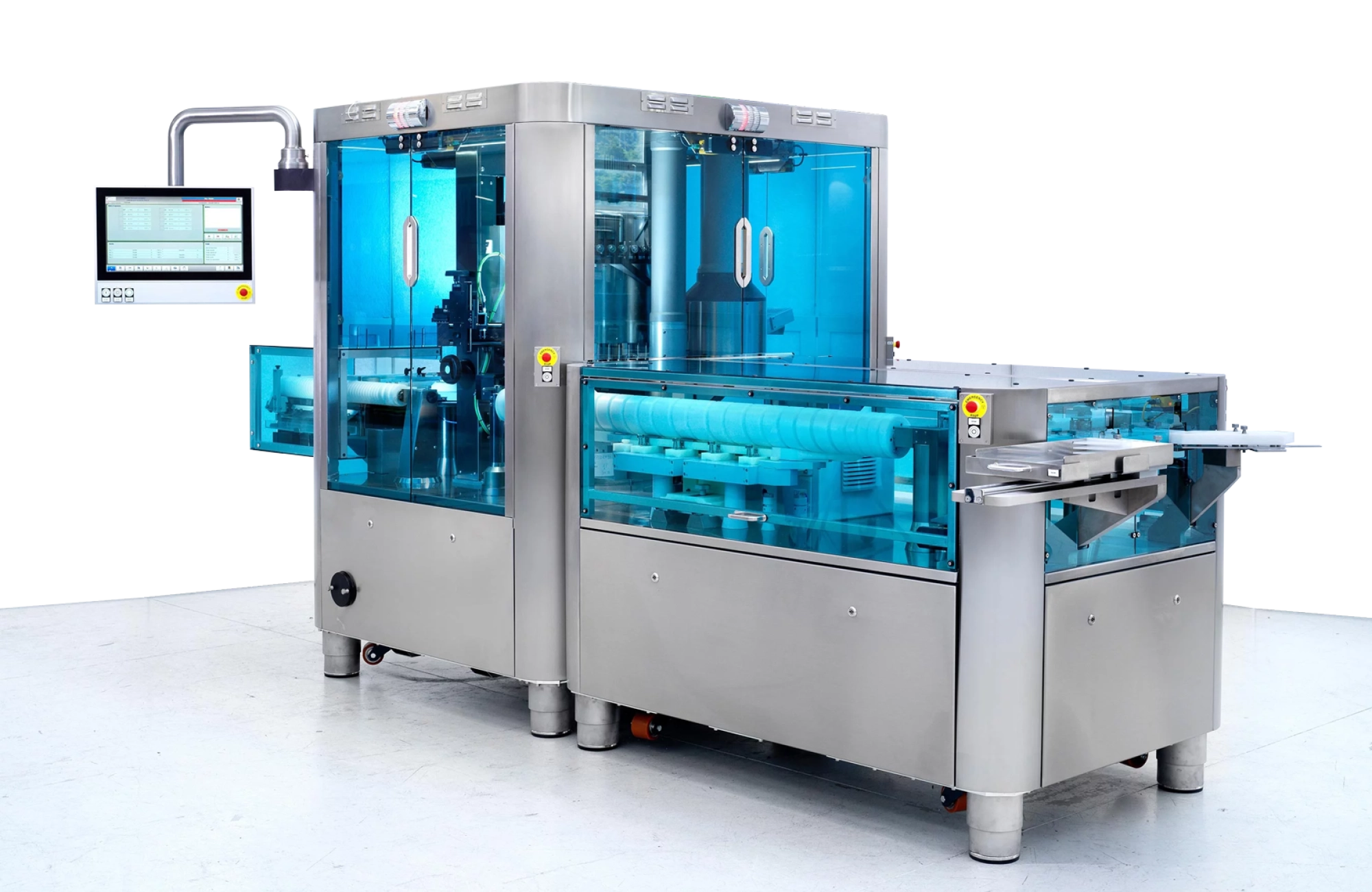
An automated inspection machine for ampoules, vials, and cartridges filled with liquid products is a sophisticated system used primarily in the pharmaceutical and biotech industries to ensure the quality, safety, and integrity of liquid-filled containers. These machines employ advanced technologies to detect defects, contaminants, or inconsistencies in the containers and their contents, ensuring compliance with stringent regulatory standards (e.g., FDA, EMA, or GMP). Below is a technical explanation of their purpose, functionality, and key components:
Purpose of Automated Inspection MachinesAutomated inspection machines are designed to:
- Ensure Product Quality: Detect defects in containers (e.g., cracks, chips, or improper sealing) and verify the integrity of the liquid product (e.g., presence of particulates, incorrect fill levels, or discoloration).
- Enhance Safety: Identify contaminants such as foreign particles, microbial contamination, or chemical impurities that could compromise patient safety.
- Improve Efficiency: Replace or supplement manual inspection processes, which are slower, less consistent, and prone to human error.
- Ensure Regulatory Compliance: Meet strict industry standards by providing traceable, repeatable, and validated inspection processes.
- Minimize Waste: Identify defective units early in the production process to reduce the risk of batch rejection or recalls.
Technical FunctionalityAutomated inspection machines use a combination of vision systems, sensors, and software algorithms to perform high-speed, non-destructive testing of ampoules, vials, and cartridges. The process typically involves the following steps:
- Container Handling and Transport:
- Containers are fed into the machine via an automated conveyor or starwheel system, ensuring precise positioning for inspection.
- Gentle handling mechanisms (e.g., vacuum grippers or soft-touch rollers) prevent damage to fragile glass containers.
- High-speed systems can inspect thousands of units per hour (e.g., 600–1,200 containers per minute, depending on the machine).
- Visual Inspection Using Machine Vision:
- High-Resolution Cameras: Multiple cameras (e.g., CCD or CMOS sensors) capture images of the container from various angles (top, side, bottom) under controlled lighting conditions (e.g., LED or polarized light).
- Defect Detection: Advanced image processing algorithms analyze images to detect:
- Container Defects: Cracks, scratches, chips, or improper sealing (e.g., faulty crimps on vials or incomplete fusion in ampoules).
- Fill Level Issues: Overfilling, underfilling, or inconsistent meniscus levels.
- Cosmetic Imperfections: Stains, burns, or glass imperfections.
- Particulate Detection: Particles in the liquid are identified by spinning the container to suspend particles, followed by imaging to detect moving or stationary contaminants.
- Closure Integrity: For vials and cartridges, the system checks for proper cap placement, seal tightness, or tamper-evident features.
- Advanced Inspection Technologies:
- High-Voltage Leak Detection (HVLD): Applies a high-voltage electric field to detect micro-leaks or pinholes in the container by measuring changes in electrical conductivity.
- Spectroscopy: Uses near-infrared (NIR) or UV-Vis spectroscopy to detect chemical impurities or verify the liquid’s composition.
- Laser-Based Inspection: Laser scattering or time-of-flight systems detect particles or bubbles in the liquid by analyzing light scattering patterns.
- Headspace Analysis: Non-destructive headspace gas analysis (e.g., using laser absorption spectroscopy) checks for oxygen levels or vacuum integrity in sealed containers.
- Data Processing and Decision-Making:
- Real-time image analysis and sensor data are processed using machine learning or artificial intelligence algorithms to classify defects with high accuracy.
- The system compares findings against predefined thresholds (e.g., particle size >10 μm or crack length >0.1 mm) to determine pass/fail status.
- Defective units are flagged and diverted to a rejection bin via pneumatic or mechanical reject systems.
- Traceability and Reporting:
- The machine logs inspection data (e.g., images, defect types, and timestamps) for traceability and audit purposes.
- Integration with Manufacturing Execution Systems (MES) or SCADA systems ensures seamless data flow for quality control and regulatory reporting.
Key Components of Automated Inspection Machines
- Vision Systems: High-resolution cameras, lenses, and lighting systems (e.g., backlighting, polarized light) for clear imaging.
- Sensors: Laser, ultrasonic, or infrared sensors for non-visual inspections (e.g., leak detection or fill-level verification).
- Software: Custom algorithms for image processing, machine learning models for defect classification, and user interfaces for operator control.
- Mechanical Systems: Conveyor belts, starwheels, or robotic arms for precise container handling.
- Control Systems: PLCs (Programmable Logic Controllers) or industrial PCs for real-time operation and integration with production lines.
- Rejection Mechanism: Pneumatic pushers or diverters to remove defective units without disrupting the production flow.
Types of Defects Inspected
- Container Defects:
- Cracks, chips, or scratches in glass.
- Improper sealing (e.g., incomplete fusion in ampoules or loose caps in vials).
- Dimensional irregularities (e.g., incorrect vial height or cartridge diameter).
- Liquid Product Defects:
- Foreign particles (e.g., glass fragments, fibers, or metallic particles).
- Bubbles mistaken for particles (differentiated via spinning techniques).
- Incorrect fill levels or volume.
- Discoloration or cloudiness indicating chemical degradation.
- Closure and Labeling Issues:
- Missing or misaligned caps, stoppers, or seals.
- Incorrect or unreadable labels (e.g., barcodes or lot numbers).
Technical Advantages
- High Throughput: Capable of inspecting 600–1,200 containers per minute, far surpassing manual inspection rates.
- Accuracy and Consistency: Machine vision and AI reduce false positives/negatives compared to human inspectors.
- Non-Destructive Testing: Technologies like HVLD and spectroscopy allow inspection without damaging the product.
- Scalability: Modular designs allow integration into various production lines and adaptation for different container sizes (e.g., 1 mL to 50 mL vials).
- Regulatory Compliance: Validated systems meet GMP, USP <788>, and EP 2.9.20 standards for particulate matter and container integrity.
Applications
- Pharmaceuticals: Inspection of injectable drugs (e.g., vaccines, biologics, or insulin) in ampoules, vials, or cartridges.
- Biotechnology: Ensuring the quality of high-value biologics or cell therapies.
- Veterinary Medicine: Inspecting liquid veterinary products in similar containers.
- Diagnostics: Verifying the integrity of diagnostic reagents or contrast agents.
In summary, automated inspection machines for ampoules, vials, and cartridges combine machine vision, advanced sensors, and AI-driven analytics to ensure the quality and safety of liquid pharmaceutical products. They offer high-speed, accurate, and non-destructive testing, making them indispensable in modern pharmaceutical manufacturing.