What is Activated Carbon Adsorber?
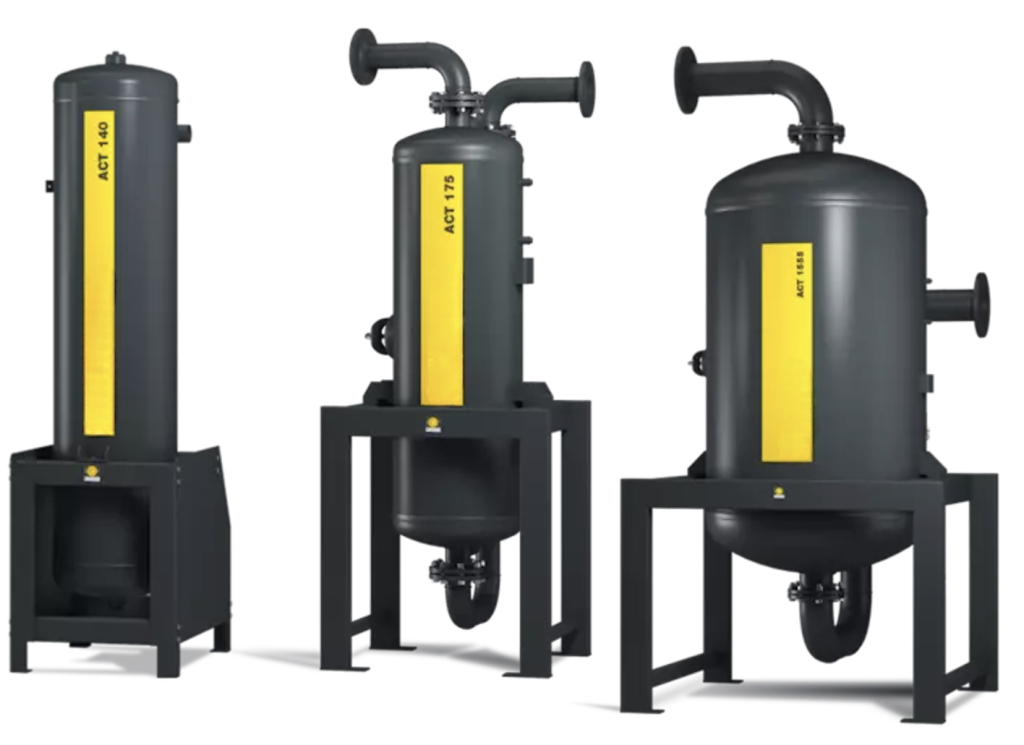
An Activated Carbon Adsorber is an engineered system that uses activated carbon media to remove contaminants, impurities, or odors from gases or liquids through adsorption. It is a widely used purification technology in air treatment, water treatment, chemical processing, and industrial exhaust systems.
Here’s a technical breakdown:
1. Working Principle
- Adsorption (not absorption) is the core mechanism:
- Molecules of pollutants (organic vapors, chlorine, VOCs, H₂S, heavy metals, etc.) are attracted to and held on the large internal surface area of activated carbon.
- Activated carbon typically has a surface area of 800–1,500 m² per gram due to its porous microstructure.
- Once the adsorption sites are saturated, the carbon must be regenerated (thermal or chemical) or replaced.
2. Technical Construction
An activated carbon adsorber typically includes:
- Adsorber Vessel / Housing
- Steel, stainless steel, FRP, or HDPE tanks or columns.
- Designed for liquid flow (downflow/upflow) or gas flow (fixed bed or modular units).
- Activated Carbon Bed
- Granular Activated Carbon (GAC), Powdered Activated Carbon (PAC), or Extruded Carbon Blocks.
- Selected based on contaminant type (e.g., coconut-shell carbon for organics, impregnated carbon for H₂S/mercury).
- Distribution System
- Inlet/outlet distributors ensure even flow across the carbon bed, avoiding channeling.
- Support / Retention System
- Underdrains, screens, or support gravel to hold carbon in place and prevent carry-over.
- Monitoring Instruments
- Pressure gauges, flow meters, breakthrough detectors, and sampling ports.
3. Types of Activated Carbon Adsorbers
- Gas-Phase Adsorbers
- Used in VOC removal, solvent recovery, odor control, air pollution control.
- Designs: canister filters, radial flow, honeycomb blocks, multi-bed systems.
- Liquid-Phase Adsorbers
- Used in water treatment, wastewater polishing, process fluid purification.
- Designs: pressure vessels (fixed-bed GAC), gravity filters, slurry contactors.
4. Performance Factors
- Contaminant Concentration: Higher loads saturate carbon faster.
- Flow Rate / Contact Time: Adequate Empty Bed Contact Time (EBCT) is critical (5–20 minutes typical for liquids).
- Carbon Type & Grade: Surface chemistry (acidic, basic, impregnated) tailored to specific contaminants.
- Temperature & Pressure: Higher temperatures may reduce adsorption capacity for gases.
- Moisture & Competing Species: Water vapor or other organics may reduce effectiveness.
5. Applications
- Air / Gas Treatment
- VOC removal in chemical plants.
- Odor control in wastewater treatment plants.
- Solvent recovery in paint shops, printing, and pharma.
- Cabin air filtration, respirators, industrial exhaust cleaning.
- Water / Liquid Treatment
- Drinking water purification (removal of chlorine, taste, odor).
- Wastewater polishing (removal of residual organics, pesticides, PFAS, oils).
- Groundwater remediation.
- Food & beverage decolorization and purification.
- Specialty Uses
- Mercury and dioxin removal from flue gases.
- Gas mask and respirator cartridges.
- Pharmaceutical and fine chemical purification.
6. Advantages
- High efficiency for removing organics, odors, and trace contaminants.
- Simple to operate, modular, and scalable.
- Can achieve low outlet concentrations (“polishing” stage).
7. Limitations
- Limited adsorption capacity — requires regeneration or replacement.
- Not effective for all contaminants (e.g., highly soluble salts, some small inorganic gases).
- Sensitive to temperature, humidity, and competitive adsorption.
- Disposal or regeneration of spent carbon requires handling (thermal reactivation, chemical washing, or incineration).
In summary:
An Activated Carbon Adsorber is a filtration unit that passes air or liquid through a bed of activated carbon, which captures contaminants by adsorption onto its porous internal surface. It is widely used in environmental control, water treatment, and industrial gas purification due to its high efficiency in removing organics, odors, and trace pollutants.