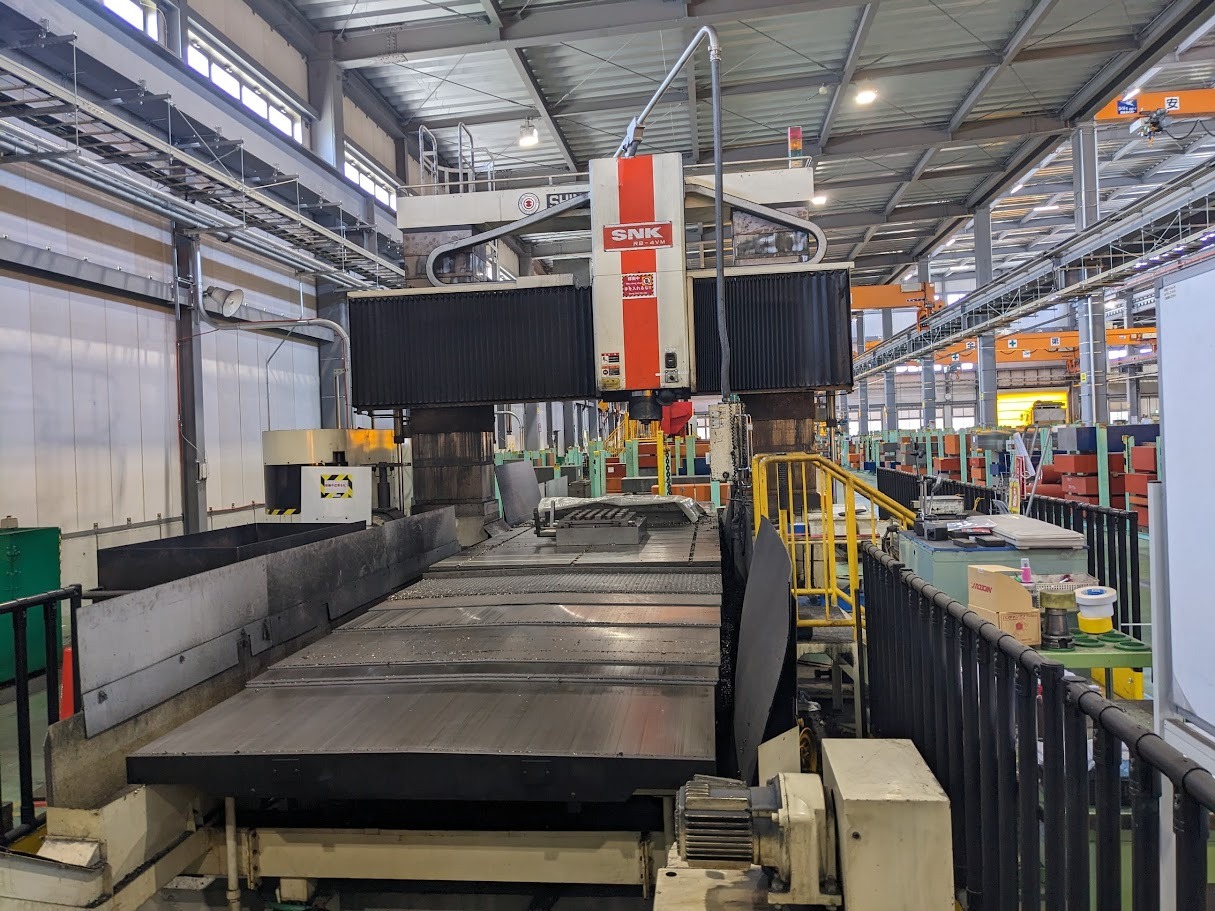
What is a Decommissioning Service of CNC Double Column Gantry Bridge Type Vertical Machining Center?
Decommissioning a CNC Double Column Gantry/Bridge Type Vertical Machining Center (VMC) is a technical and methodical process of safely disconnecting, dismantling, preparing, and moving the machine for relocation, sale, or scrapping. This process is essential to avoid damage, ensure future reinstallation, and maintain asset integrity.
🔧 Step-by-Step Technical Decommissioning Process:
✅ 1. Pre-Decommissioning Preparation
Task
Description
Site Survey
Inspect the machine’s condition, dimensions, foundation, and surroundings.
Document Everything
Take photos, record parameters, label all cables, and back up CNC programs and settings.
Notify Operators & Safety Team
Lockout-tagout (LOTO) procedures are initiated; work area is cordoned off.
Download Manuals & Diagrams
Wiring diagrams, hydraulic schematics, ladder logic, and layout plans should be ready.
✅ 2. Electrical Disconnection
Task
Description
Power Down Safely
Use the main breaker and follow safety protocols (LOTO).
Label and Disconnect Cables
All incoming power, encoder, servo, spindle, coolant, and auxiliary cables must be labeled before disconnection.
Remove CNC Controller (if needed)
For Fanuc, Siemens, or Heidenhain systems, carefully dismount the control panel if transport-sensitive.
✅ 3. Mechanical Disassembly
Component
Action
Chip Conveyor & Enclosures
Disassemble side covers, chip conveyors, tool changers, guarding systems.
Z-Axis Head
Lock or support the Z-axis head to prevent movement during transport.
Tool Changer Arm & Magazine
Remove or secure to avoid misalignment or damage.
Bridge/Gantry
If the gantry is detachable, uncouple using jacking and alignment tools.
Table & Fixtures
Secure or remove rotary tables, vises, fixtures mounted on the table.
✅ 4. Hydraulic, Pneumatic & Coolant Systems
System
Action
Hydraulic Lines
Label and disconnect lines; drain oil and plug ports to prevent leakage.
Pneumatic Lines
Bleed air pressure, disconnect lines, label each source.
Coolant System
Drain coolant from tank and piping; clean filters and pump housings.
✅ 5. Axis Locking and Protection
Axis
Protection Strategy
X, Y, Z, Gantry Axis
Use mechanical travel locks, shipping brackets, or block with precision-cut lumber or steel.
Encoders & Motors
Cover with anti-static bags and padding.
Linear Ways & Ball Screws
Coat with anti-rust oil and wrap in VCI plastic or oiled cloth.
✅ 6. Lifting & Rigging Preparation
Task
Description
Determine Machine Center of Gravity
Use manufacturer diagrams or rigging calculator.
Select Proper Lifting Points
Only use OEM-designated lifting eyes or points.
Crate or Wrap Components
Sensitive parts (spindle head, ATC arm, control panel) should be crated.
Mark Fragile/Heavy Components
Use standardized rigging labels.
✅ 7. Transport Staging
Task
Description
Platform Design
Machine base may require custom steel skids or vibration-damping pallets.
Shock & Tilt Sensors
Attach sensors to critical packages for monitoring during transit.
Shrink Wrapping or Crating
Entire machine may be shrink-wrapped or crated depending on transport type (land/sea/air).
✅ 8. Documentation for Recommissioning
Item
Description
Wiring Labels & Cable Maps
Make sure they match future installation layout.
Axis Zero Points & Parameters
Save or print out machine zero offsets, tool lengths, etc.
Checklist Reports
Create a detailed decommissioning checklist with photos for each disassembly stage.
⚠️ Special Notes for Gantry Machines:
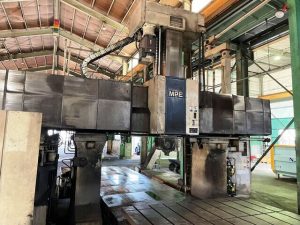
Gantry machines are very large and heavy. The bridge is a structural component that may not always be detachable without precision reassembly.
CNC gantry VMCs have precision alignment that must be restored later using laser interferometers or ballbar diagnostics.
🧾 Conclusion:
The decommissioning of a CNC Double Column Gantry VMC is a highly technical, multi-disciplinary operation involving electrical, mechanical, hydraulic, and controls engineering. It must be done methodically to ensure the machine can be recommissioned without loss of accuracy or safety.
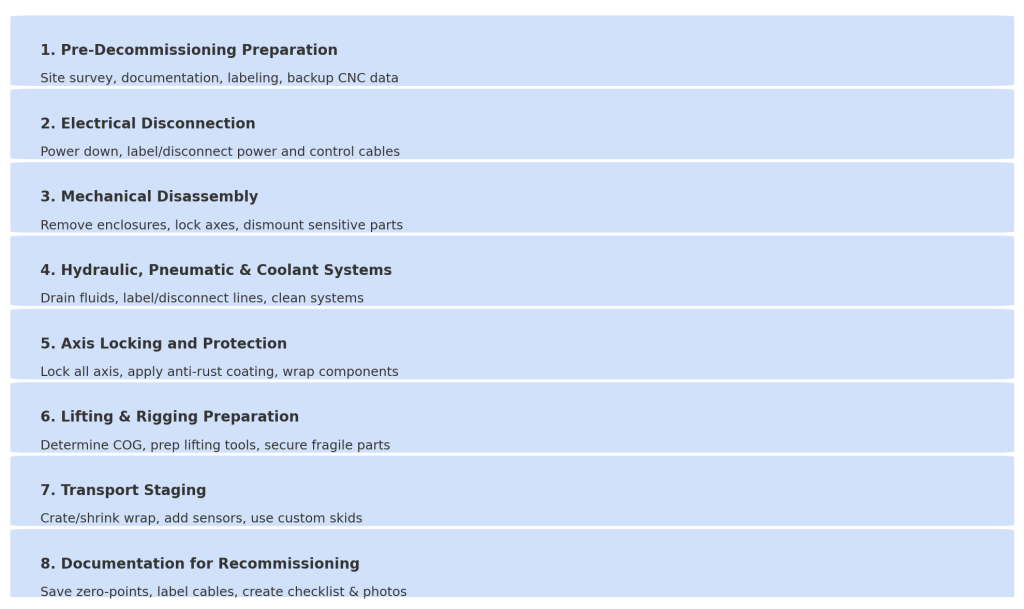
Step
Key Tasks
Pre-Decommissioning Preparation
Site survey, documentation, labeling, backup CNC data
Electrical Disconnection
Power down, label/disconnect power and control cables
Mechanical Disassembly
Remove enclosures, lock axes, dismount sensitive parts
Hydraulic, Pneumatic & Coolant Systems
Drain fluids, label/disconnect lines, clean systems
Axis Locking and Protection
Lock all axis, apply anti-rust coating, wrap components
Lifting & Rigging Preparation
Determine COG, prep lifting tools, secure fragile parts
Transport Staging
Crate/shrink wrap, add sensors, use custom skids
Documentation for Recommissioning
Save zero-points, label cables, create checklist & photos