What Industry Experts Recommend Before Purchasing a Pre-Owned / Second-Hand / used Deckel FP 4 NC?
Here’s a detailed guide, based on industry experts’ and user-community experience, for what to check, ask, test, and watch out for before buying a pre-owned / second-hand Deckel FP4 NC milling / tool-milling / CNC universal mill. These machines are solid, but they have known weak points and wear issues. If you go through the following you’ll be much better positioned to judge whether the asking price is fair and how much refurb / repair cost to expect.
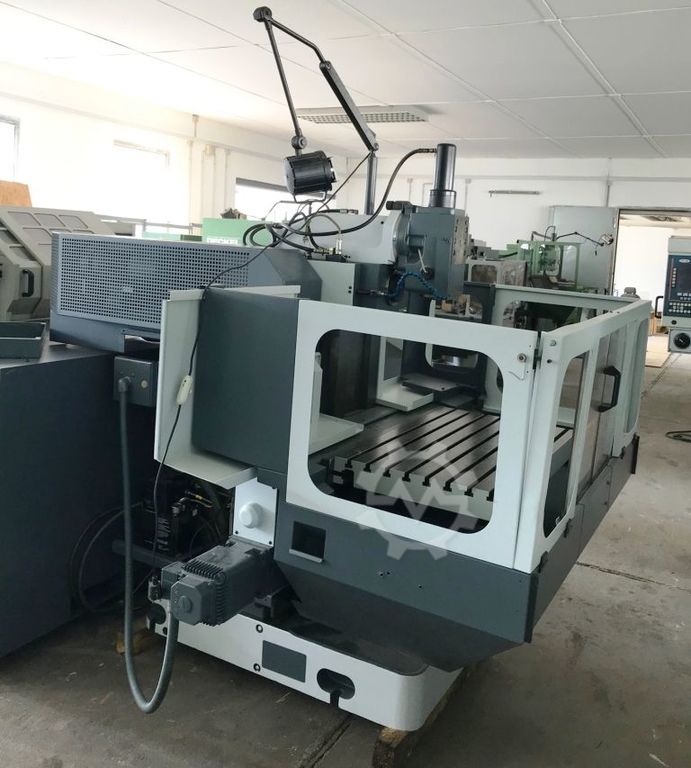
What the Deckel FP4 NC Is / Key Spec Benchmarks
Having the “original spec” in mind is essential so you can see what has drifted or degraded. Some published specs for the FP4 NC:
| Spec | Typical / Published Value |
|---|---|
| Travels | X ~ 560 mm, Y ~ 500 mm, Z ~ 450 mm |
| Quill stroke (vertical head) | ~ 80 mm |
| Spindle speed range | ~ 31.5 to ~5,000 rpm (via 2-speed gearbox or stepless in some versions) |
| Power of main spindle / head | ~ 7.5 kW in many versions |
| Tool holding | SK40, hydraulic/mechanical drawbar / tensioning |
| Feed / rapid traverse rate, etc. | Stepless feeds up to a few thousand mm/min; rapid traverse ~4,000 mm/min in some refurbished/NC versions |
These give you a basis for what “should” be if the machine is in good condition. If things are significantly worse (e.g. much less stable spindle speed, or way wear, or degraded feeds), you’ll want to adjust valuation accordingly.
What Experts / Users Say Are Weak / Wear-Sensitive Areas
From forum threads, user reports etc., here are recurring problem areas or things that often cause issues in FP4 NCs:
- Wear on Z-way, especially inside left side of the column
- This area often gets under-lubricated, leading to galling / wear.
- Gear wear / gearbox issues
- The two-speed spindle or gearboxes, shifting mechanisms, etc. can develop noisy operation, imperfect tooth profile, more backlash, etc.
- Spindle / drawbar / tool-holder interface
- The spindle and drawbar system must hold tooling accurately; worn tapers or drawbar mechanisms degrade performance. Users report the FP4 NC uses SK40 with hydraulic/mechanical tension, so inspect carefully.
- Control / electronics age
- Older control units, possibly Dialog 11 or earlier, may have slow processor speed, sluggish responses when using CAM or complex G-code. Replacement parts or electronics support may be difficult.
- Vertical head slide movement limits / travel issues
- Some machines have problems with the vertical milling head not being able to reach extreme travel due to worn parts or blocking in shifting mechanisms.
- Lubrication system weaknesses
- Starved lubrication in certain ways (especially where grease/oil feed is more difficult) has been reported. If lubrication/plumbing is degraded or missing, ways will wear faster.
Detailed Checklist: What to Inspect / Test On-Site
When you go to inspect a candidate FP4 NC, using something like this checklist helps:
| Area | What to Inspect / Test | Acceptable vs Warning Signs |
|---|---|---|
| Structural & Frame Condition | • Check for cracks or weld repairs in the column, base, headrisers. • Visually inspect the ways, especially the Z-way on the left side inside the column for signs of wear, scratching, pitting, galling. • Check rigidity: with no workpiece, run the spindle with a test load and listen/feel for vibration or wobble. | Minor surface discoloration or very fine scratching is OK; deep gouges, pitting, or visible misalignment are warning signs. |
| Spindle & Head | • Test spindle at various speeds; listen for unusual noise from bearings or gearbox; check run-out with test bar. • Check drawbar operation, tool holder seating, whether holders are tight and consistent. • Check vertical head fold or swivel (if present), quill action, whether it moves cleanly. • Look for overheating marks or signs of past heat damage. | Smooth, quiet operation and minimal run-out is good; sharp changes in noise with speed, loose/quivering tool holders, or visible damage are bad. |
| Gearboxes / Speed Shifting Mechanism | • Shift spindle speeds (if two-speed) and observe if transitions are smooth. • Listen for grinding, backlash, gear noise. • Check variable speed and torque delivery under load. | Smooth shifting, low noise; grinding or gear lash or inability to hold speed under load is concerning. |
| Axes / Slides / Leadscrews / Feed Drives | • Check backlash in X, Y, Z: move +X then -X etc; use indicator; test under light load. • Move axes to extremes of travel and see if movement is uniform and smooth; especially vertical head slide (Y- or Z-axis depending) for full travel in all positions. • Inspect way/covers for damage; see whether lubrication lines exist and function. • Check feed rates vs spec; whether rapid traverse works at nominal speeds (if spec says ~4,000 mm/min etc.). | Minor play within spec is acceptable; but excessive backlash, stiction, binding, or zones where motion is uneven are warning. |
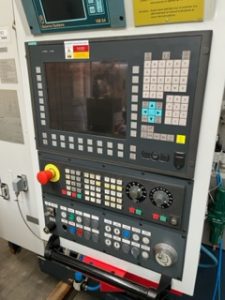
| Control & Electronics | • Power up and run axis moves, manual control, G-code program if possible; test HMI responsiveness. • Ask for alarm / error history; have feed override etc work smoothly. • Inspect if control has been retrofitted or upgraded; also check spares/icons/manuals are available. • Ensure cooling for control cabinets, no signs of water damage, moisture, rust. | Clean, well functioning electronics; controls that hang or misinterpret moves; missing safety or interlocks bad. |
| Lubrication / Coolant / Auxiliary Systems | • Inspect coolant system: is there a coolant pump, filter, hoses, no leaks, sufficient flow to spindle etc. • Check lubrication: centralized automatic lubrication (if present), oil pumps, way wipers etc. • Cleanliness: chip build-up, rust or contamination; check guards, covers. | Good lubrication and coolant help prevent other wear; neglect here often leads to other expensive damage. |
| Accuracy / Sample Cuts | • If possible, cut sample workpieces that challenge all axes, measure accuracy: flatness, squareness, repeatability. • Do finishing cuts to check surface finish. • Return to zero positions multiple times to observe drift. • Spindle test: under load, long cut, check for thermal expansion / drift. | If sample parts meet required tolerances, finish is clean, repeatability good — good sign. If not, even with adjustments, may need expensive work. |
| Tooling & Accessories | • What tool holders, fixtures, angle tables, vertical head attachments etc come with machine? • Condition of tooling: worn or damaged holders, missing parts etc. • Availability of genuine Deckel spares or compatible SK40 tooling; condition of spindle taper. | A machine with tooling and full attachments is more valuable; lacking tooling adds cost. |
| Documentation & History | • Serial number, manufacture date, installed control version. • Maintenance logs: spindle bearings changed, way repairs, gearboxes serviced. • Any crash or collision history. • Any refurbishments (e.g. retrofits of control, electronics, replacement of major components) and who did them. | Complete documentation helps avoid surprises; missing history increases risk. |
What to Ask the Seller
To ensure you get as much useful info as possible, here are good questions / proof to demand:
- How many hours / cycles has the FP4 NC been used; especially spindle hours, time under load.
- What materials were processed: soft metals, hard metals, abrasives etc.
- What maintenance has been done: when were bearings, gears, ways serviced or replaced; lubrication system overhauled; electronics replaced etc.
- Whether it has had any known damage (dropping tooling, spindle collisions, gearbox incidents).
- Whether the control system is original, or has been upgraded or retrofitted; whether original control parts (screens, PCBs etc.) are still functional.
- Whether the machine has been used heavily for tool-milling / toolroom work (which can stress spindles and quills) or mostly for rough work.
- What tooling (holders, vertical head, angle tables, fixtures, etc.) comes with the machine.
- Whether sample work can be cut/provided (photos / parts) to verify accuracy, finish, and thermal drift if possible.
- What parts are replaceable or difficult to find locally; cost and lead time for spare parts.
- Whether safety interlocks, coolant / lubrication systems are fully operating.
- Whether any parts have been modified, replaced with non-OEM, or amateur repairs done.
Red Flags to Look For
Some warning signs that may suggest that the machine will require more investment / have reduced lifespan:
- Noticeable wear or galling on the inner side of Z-column way (the area commonly reported) — this tends to be expensive to repair.
- Gear noise (especially in one of the speed ranges), rough or noisy shift of spindle speeds.
- Spindle or tool holder interface loose, excessive run-out, vibration or noise under load.
- Stiction / roughness / binding in vertical head slide or one axis; inability to reach full travel or parts of travel.
- Controls that are failing/fading, monitors slow, or “jerky” motions in complex G-code paths.
- Evidence of poor lubrication or coolant plumbing; rust; dried or missing seals; worn way covers.
- Tooling missing, holders worn, accessories absent—makes the real cost higher.
- Spare parts hard to get (especially OEM Deckel, older electronics, gearboxes) or very expensive.
- Hydraulic / gearbox shift mechanisms sloppy / leaking.
What Good Condition Looks Like & Approximate “Refurb Needed” vs “Too Much Trouble”
To help you mentally gauge what price / effort is fair, here are rough condition bands based on what you typically see:
| Condition Band | What You’ll Typically See / What Must Be Done | What It Means for Price / Use |
|---|---|---|
| Excellent / Near-Refurbished | Smooth axes, minimal backlash, spindle noise very low; accurate, test-cuts good; lubrication and coolant systems in great shape; control electronics in good shape or recently upgraded; tooling and attachments included. | Much less extra cost; often price high but less downtime or repair; good candidate for production / tight tolerance work. |
| Good / Some Wear | Minor way wear; perhaps one axis with more play; spindle might have minor run-out; control likely older but functioning; some accessories present; lubrication system needs refreshing. | Acceptable with some investment; price lower; plan for maintenance, possible way scrape, spindle bearing check, maybe gear service. |
| Fair / Needs Attention | Significant wear in one or more ways; spindle noise / bearing play; some controls failing; coolant / lubrication maybe degraded; tooling missing or in poor condition. | Needs negotiation; budget sizable for repairs; inspect carefully whether cost of refurb + acquisition is still less than buying better used or remanufactured. |
| Poor / High Risk | Major way damage (deep gouges or cracks), gearboxes making noise / shift poorly, spindle bearings worn to failure, electronic controls failing or dangerously outdated; big parts missing. | Likely not worth unless extremely cheap and you have capability to rebuild; risk of hidden costs high. |
Additional Considerations & Total Cost Of Ownership
These often get forgotten, but are important when figuring whether the deal is good:
- Tooling & Fixtures: If the machine comes with good tooling / fixtures, that adds value. If not, you must buy them. Deckel tool-holders, angle tables, vertical heads can be pricey.
- Spare Part Availability: For older Deckels, some spares can be hard to find; cost of gearboxes, electronic modules may be high.
- Retrofitting / Control Upgrades: Many FP4 NCs get retrofitted with newer controls (Heidenhain, Siemens etc.) — this can improve usability & maintainability, but costs must be included.
- Transport, Installation, Leveling & Alignment: These machines are heavy, and proper leveling and alignment are critical. Cost and time for moving + set-up can add significantly.
- Environmental / Site Requirements: Power, coolant, space, ventilation etc. Also floor integrity (vibrations), ambient temperature stability (Deckel machines are precise; temperature affects accuracy).
- Operator Skill & Maintenance Capability: If the machine is old, operators / maintainers need to be able to maintain lubrication systems, adjust wear, understand electronics. If your shop doesn’t have that, you may have hidden costs.