What Industry Experts Recommend Before Purchasing a Pre-Owned, Second-Hand, Surplus, Used QUASER MV-184P/12B CNC Vertical Machining Center made in Taiwan?
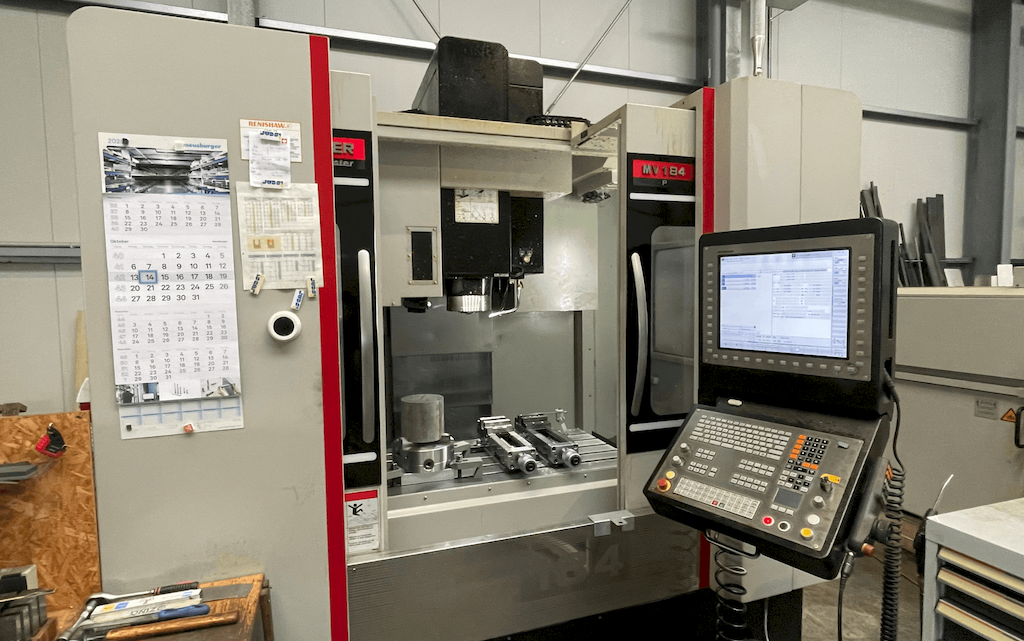
This guide provides a professional, industry-recommended framework for evaluating a pre-owned Quaser MV-184P/12B CNC Vertical Machining Center, combined with commonly verified technical specifications that buyers should review before purchase.
It is intended for serious industrial buyers such as job shops, manufacturing facilities, mold & die producers, aerospace suppliers, and automotive manufacturers.
Technical Specifications — QUASER MV-184P/12B CNC Vertical Machining Center
Core Machine Details (Typical Configuration)
| Feature | Specification |
|---|---|
| Manufacturer | Quaser (Taiwan) |
| Model | MV-184P/12B |
| Machine Type | CNC Vertical Machining Center (VMC) |
| CNC Control | Heidenhain iTNC series (commonly TNC 530 or TNC 640) or FANUC (varies by machine configuration) |
| X / Y / Z Axis Travel | Approx. 1,020 × 610 × 610 mm |
| Table Size | Approx. 1,200 × 600 mm |
| Maximum Table Load | Approx. 500 kg |
| Spindle Interface | ISO 40 / BBT40 |
| Maximum Spindle Speed | Approx. 12,000 rpm (configuration dependent) |
| Automatic Tool Changer | Approx. 30 tools |
| Feed / Rapid Rates | Up to approx. 32,000 mm/min (model dependent) |
| Coolant System | Through-spindle coolant, filtration system, optional chip conveyor |
| Number of Axes | 3-axis (4th-axis rotary table optional) |
| Machine Weight | Approx. 7,100–7,400 kg |
| Machine Footprint | Approx. 2,800 × 2,800 × 2,860 mm (L × W × H) |
Note: Specifications may vary depending on control system, production year, optional accessories (rotary tables, probes, chip conveyors), and factory upgrades. Always confirm the exact specifications of the individual machine being evaluated.
Industry-Recommended Pre-Purchase Inspection Checklist
Before purchasing any used CNC machining center, especially a model such as the QUASER MV-184P/12B, industry experts recommend the following evaluation steps.
1. Physical and Structural Inspection
Machine Frame and Castings
Inspect the base, column, and table for cracks, structural damage, signs of repair, corrosion, or abnormal wear.
Guideways and Ball Screws
Check for scoring, uneven wear, lubrication issues, or visible backlash. Excessive wear can significantly reduce positioning accuracy and long-term reliability.
Leveling and Alignment History
Confirm that the machine was correctly leveled and installed at its previous location. Improper leveling accelerates wear on guideways and ball screws.
2. Spindle Condition
Operate the spindle across the full speed range and listen for abnormal noise or vibration.
Check spindle run-out and axial play using precision measuring instruments.
Request maintenance or rebuild history related to spindle bearings.
Why this matters:
The spindle assembly is one of the most expensive components to repair or replace on a vertical machining center.
3. Axis Motion and Ball Screw Performance
Jog each axis and verify smooth, consistent motion with no binding.
Measure backlash values and compare them with factory tolerances when documentation is available.
4. CNC Control System and Software
Confirm that the Heidenhain or FANUC control powers up without alarms.
Navigate menus and test I/O functionality.
Verify:
- Control software version and age
- Compatibility with your CAM system and post-processors
- Availability of manuals, parameters, and software backups
Ensure the control platform is still supported and spare parts remain available.
5. Electrical System and Wiring
Inspect electrical cabinets for clean wiring, proper labeling, and professional installation.
Check for signs of overheating, burned insulation, moisture, or dust accumulation.
Verify servo drives, power supplies, and grounding integrity.
6. Coolant System and Chip Management
Test the coolant pump, filtration system, and overflow operation.
Inspect hoses, valves, and tanks for leaks.
Confirm chip conveyor functionality if equipped and inspect coolant condition.
7. Tool Holding System and Accessories
Verify the condition and accuracy of ISO40 or BBT40 tool holders.
Test automatic tool changer operation for smooth and accurate tool changes.
Check tool probes and workpiece probes if installed.
8. Documentation and Maintenance Records
Request and review:
- Service and maintenance logs
- Records of major component replacement
- Operator and maintenance manuals
- Calibration and inspection reports
Missing documentation can indicate inconsistent maintenance or undisclosed issues.
9. Trial Operation and Test Cutting
Run a test program, preferably with your own tooling.
Evaluate dimensional accuracy, repeatability, surface finish quality, and overall machine behavior under load.
10. Installation and Facility Considerations
Confirm sufficient floor space, ceiling height, and service access.
Verify electrical capacity, air supply, coolant disposal, and floor load rating.
Measure doorways and access paths to avoid rigging or installation complications.
Common Red Flags During Inspection
The following issues may indicate elevated risk:
- Abnormal spindle noise or vibration
- Excessive axis backlash
- Missing or incomplete documentation
- CNC control errors or obsolete software
- Corrosion or evidence of water ingress
- Extremely limited or unclear service history
Any of these may justify renegotiating the price or discontinuing the purchase.
Final Recommendations from Industry Experts
Engage an independent third-party CNC inspection service if in-house expertise is limited.
Compare multiple listings to validate market value relative to age, condition, and hours.
Do not rely solely on power-on hours; cutting hours under load are more critical.
Evaluate long-term spare parts availability and technical support for the control system.