What Are the Precautions When Using Laser Rust Removal?
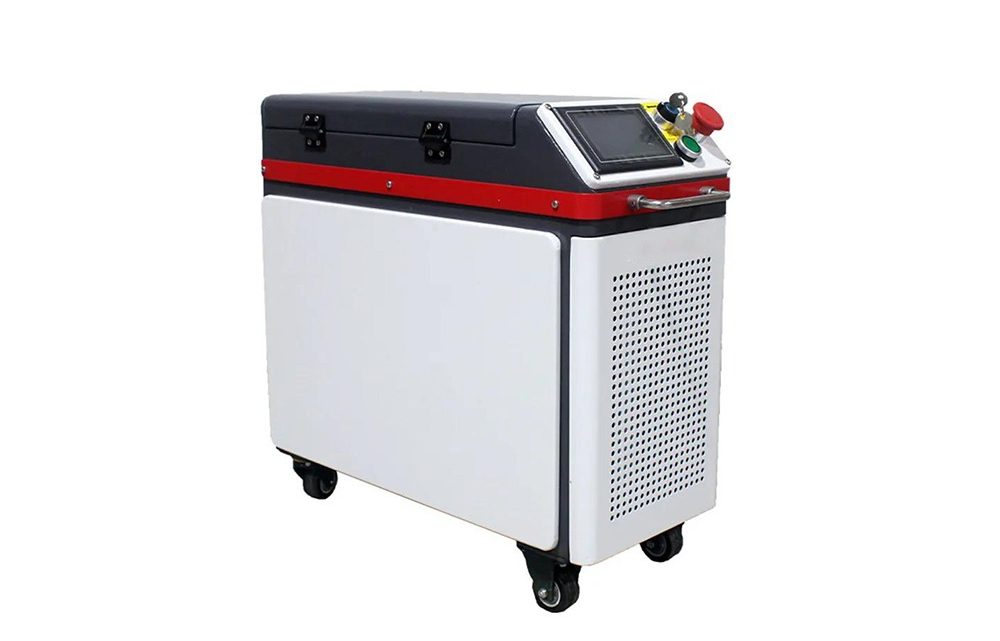
Laser rust removal has become one of the most advanced and environmentally friendly surface preparation technologies available today. Unlike traditional methods such as sandblasting, chemical cleaning, or mechanical grinding, laser cleaning uses a high-energy laser beam to remove rust, oxides, paint, coatings, and contaminants from metal surfaces without causing significant damage to the base material. This technology is increasingly used in industries such as automotive manufacturing, shipbuilding, aerospace, railway maintenance, mold cleaning, metal fabrication, and equipment restoration.
The growing popularity of laser rust removal is largely due to its precision, efficiency, and eco-friendly operation. It eliminates the need for abrasive media and chemical solvents while reducing waste generation and maintenance costs. Modern handheld laser cleaning machines also provide greater flexibility, allowing operators to clean large structures as well as detailed components with excellent control.
However, despite its many advantages, laser cleaning is a high-energy industrial process that requires proper operation and safety measures. Failure to follow recommended procedures may result in equipment damage, poor cleaning quality, safety hazards, or reduced machine lifespan. Understanding the precautions associated with laser rust removal is essential for achieving optimal results while ensuring operator safety and equipment reliability.
Understand the Material Before Cleaning
Before starting any laser rust removal project, operators should fully understand the characteristics of the material being cleaned. Different metals respond differently to laser energy, and selecting inappropriate parameters can affect cleaning performance and surface quality.
Carbon steel, stainless steel, aluminum, copper, brass, and galvanized steel all have unique thermal and reflective properties. For example, highly reflective metals such as aluminum and copper may require specific parameter adjustments to achieve stable cleaning results. Understanding the substrate helps operators choose suitable laser power levels, scanning speeds, and cleaning modes.
The thickness of the rust layer should also be evaluated before cleaning begins. Light surface oxidation may require relatively low laser power, while heavy corrosion often demands higher energy density and multiple cleaning passes. Proper assessment prevents unnecessary energy consumption and reduces the risk of damaging the underlying material.
Wear Appropriate Laser Safety Equipment
Safety should always be the highest priority when operating a laser rust removal machine. The laser beam used for cleaning can cause serious eye injuries and skin damage if proper protection is not used.
Operators must wear laser safety glasses specifically designed for the wavelength of the laser source. Standard safety glasses are not sufficient because they cannot effectively block laser radiation. Certified laser protective eyewear significantly reduces the risk of accidental exposure and should be worn throughout the entire cleaning process.
Protective clothing is also recommended to minimize exposure to reflected laser energy, sparks, and airborne particles. Gloves, long sleeves, and appropriate work shoes help create a safer working environment. In industrial settings, additional protective barriers and warning signs should be used to restrict unauthorized access to the laser cleaning area.
Ensure Proper Ventilation and Fume Extraction
During laser rust removal, contaminants, oxides, and coatings are vaporized or ejected from the metal surface. This process can generate smoke, dust, and airborne particles that may affect both operator health and equipment performance.
A high-quality fume extraction or dust collection system should be used whenever possible. Effective extraction removes harmful particles from the work environment and improves visibility during cleaning operations. This is especially important when removing paint, coatings, or heavily contaminated rust layers.
Working in poorly ventilated spaces may allow fumes to accumulate, creating potential health risks. Adequate airflow and ventilation systems help maintain a cleaner and safer workspace while ensuring compliance with occupational safety regulations.
Select Appropriate Laser Parameters
One of the most important precautions when using laser rust removal equipment is selecting the correct operating parameters. Laser power, pulse frequency, scanning speed, and cleaning width all influence the cleaning result.
Excessive laser power may remove rust quickly but can also generate unnecessary heat, potentially affecting the substrate surface. Overheating may lead to discoloration, surface roughness changes, or localized deformation, particularly on thin metal components.
Using insufficient power can also create problems. Rust may not be completely removed, requiring multiple cleaning passes and reducing overall productivity. Operators should perform testing on a small area before cleaning large surfaces to determine the most effective parameter settings.
Avoid Excessive Exposure to a Single Area
Laser cleaning is highly effective because it delivers concentrated energy to a targeted area. However, allowing the laser beam to remain in one location for too long can produce excessive heat accumulation.
Continuous exposure may alter the surface characteristics of the metal, especially when working with thin sheets, delicate components, or heat-sensitive materials. Surface discoloration and minor thermal effects can occur if cleaning speed is too slow.
Maintaining a consistent scanning motion helps distribute energy evenly across the workpiece. Operators should move the cleaning head smoothly and avoid repeatedly focusing on the same spot unless additional cleaning is specifically required.
Keep the Laser Cleaning Head at the Correct Distance
The distance between the laser cleaning head and the workpiece significantly affects cleaning efficiency and safety. Most laser cleaning machines are designed to operate within a recommended focal range.
If the cleaning head is positioned too close to the surface, energy concentration may become excessive, increasing the risk of substrate damage. If it is positioned too far away, cleaning effectiveness may decrease because the laser beam becomes less focused.
Operators should follow the manufacturer’s recommendations regarding focal distance and working angle. Maintaining consistent positioning improves cleaning quality, enhances efficiency, and helps protect optical components from contamination and damage.
Inspect Equipment Before Operation
Routine inspection of the laser cleaning machine is essential before every cleaning task. Preventive maintenance reduces the likelihood of unexpected failures and helps maintain consistent performance.
Operators should inspect cables, connectors, cooling systems, power supplies, and safety interlocks to ensure proper operation. Any signs of wear, loose connections, or abnormal conditions should be addressed before starting work.
The protective lens and optical components should also be checked regularly. Dust, debris, or contamination on optical surfaces can reduce laser transmission efficiency and may lead to overheating or component damage. Keeping optics clean helps maintain stable cleaning performance and prolongs equipment lifespan.
Be Cautious Around Reflective Surfaces
Highly reflective metals require special attention during laser rust removal. Materials such as aluminum, copper, brass, and polished stainless steel can reflect a portion of the laser energy.
Although modern fiber laser cleaning machines incorporate advanced anti-reflection protection systems, operators should still follow recommended procedures to minimize risks. Proper beam alignment and suitable cleaning parameters help maintain stable operation.
Monitoring cleaning performance during operation is particularly important when working with reflective materials. Any unusual reflections or equipment warnings should be addressed immediately to prevent potential damage to the laser source.
Follow Proper Operating Procedures
Laser cleaning machines are sophisticated industrial systems that should only be operated by trained personnel. Understanding machine functions, safety requirements, and cleaning techniques helps ensure efficient and safe operation.
Operators should carefully review the user manual and follow all manufacturer guidelines. Proper startup and shutdown procedures protect the machine and reduce the likelihood of operational errors.
Regular training programs can also improve cleaning quality and workplace safety. As laser cleaning technology continues to evolve, staying informed about new features and best practices helps maximize productivity and equipment performance.
Conclusion
Laser rust removal offers a highly efficient, precise, and environmentally friendly solution for removing corrosion and surface contaminants from metal components. Its ability to clean surfaces without chemicals, abrasives, or significant substrate damage has made it a valuable technology across numerous industries.
However, achieving the best cleaning results requires careful attention to safety practices, equipment maintenance, parameter selection, and proper operating techniques. Understanding the characteristics of the material, maintaining correct laser settings, ensuring adequate ventilation, and using appropriate protective equipment are all essential precautions that contribute to successful laser cleaning operations.
By following these guidelines, operators can improve cleaning efficiency, extend equipment lifespan, protect workplace safety, and fully benefit from the advantages of modern laser rust removal technology. As industries continue to seek cleaner and more sustainable surface treatment methods, laser cleaning is expected to play an increasingly important role in industrial maintenance and manufacturing applications worldwide.
Address:
No. 2303, Building 4, United Fortune Plaza, No. 2177, Tianchen Road, High-tech Zone, Jinan City, China
Phone: 86-18769786070
Email: admin@winteklaser.com
Website: https://winteklaser.com/