









Description
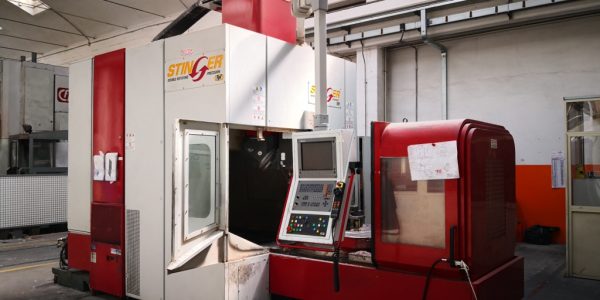
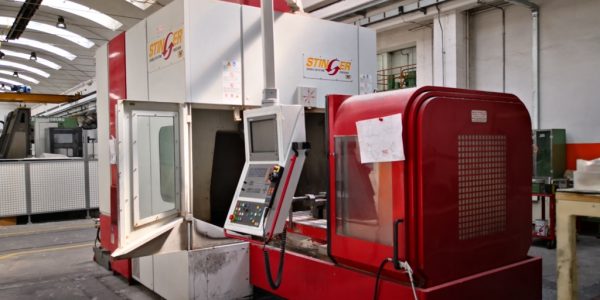
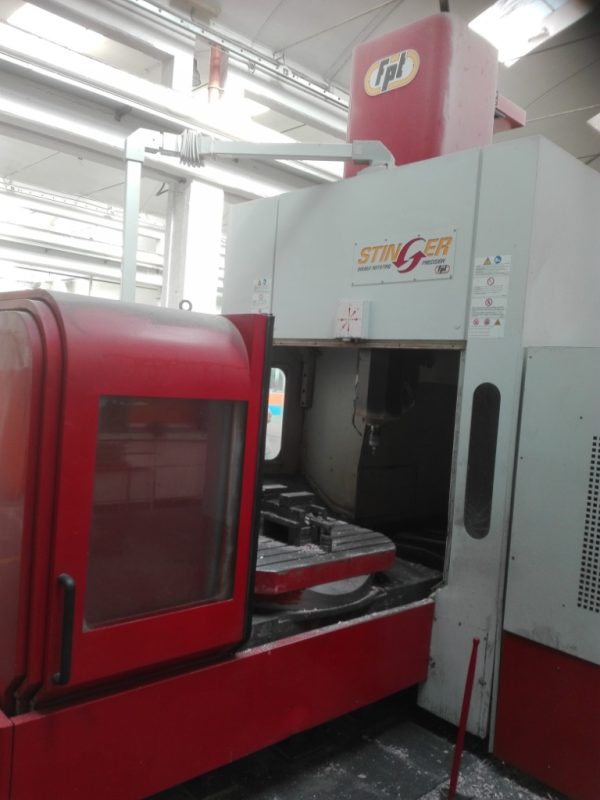
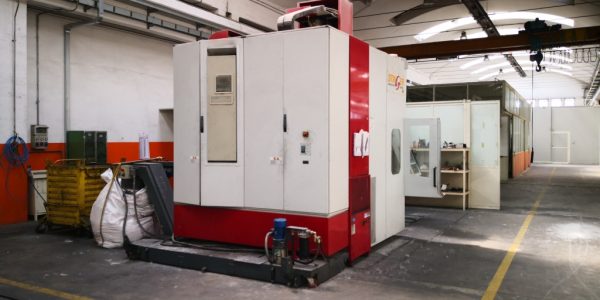
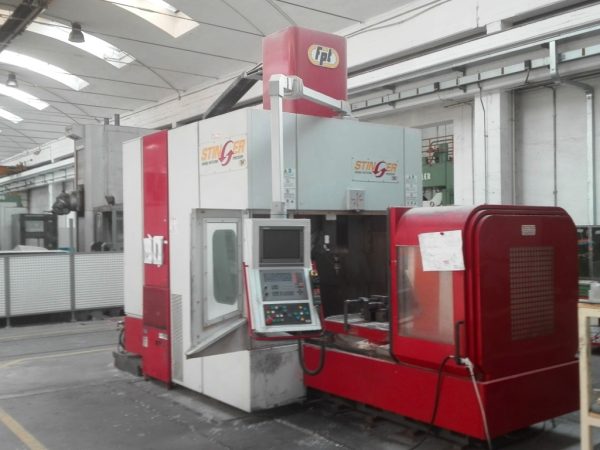
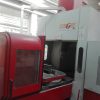
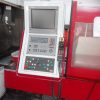
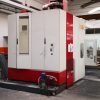
| FPT STINGER – CNC Portal Milling Machine (2005) | |
|---|---|
| Machine Type | CNC Portal Milling Machine |
| Manufacturer | FPT |
| Model | STINGER |
| Year of Manufacture | 2005 |
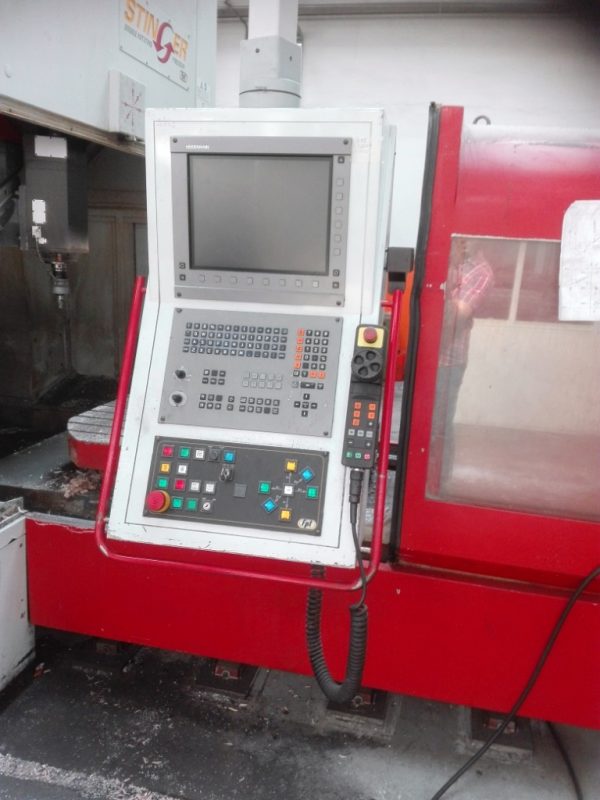
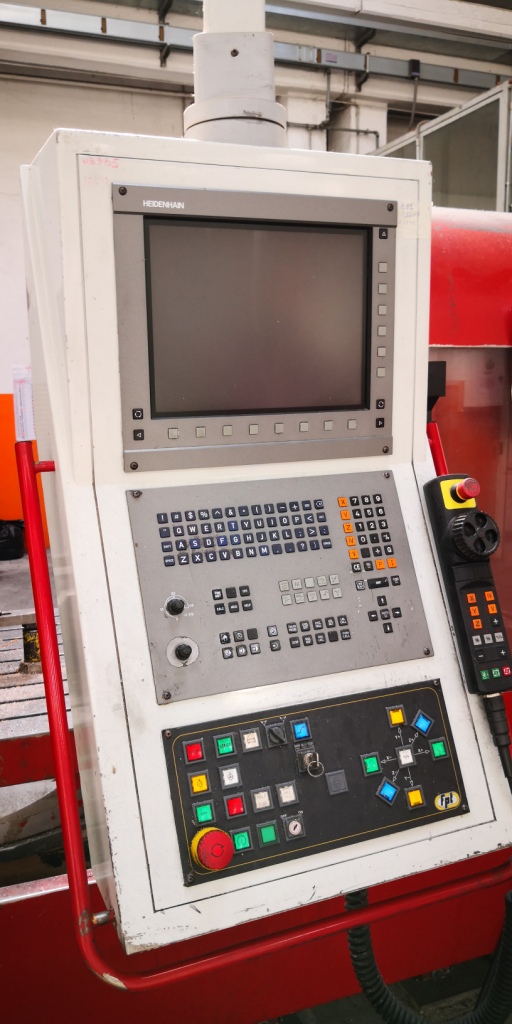
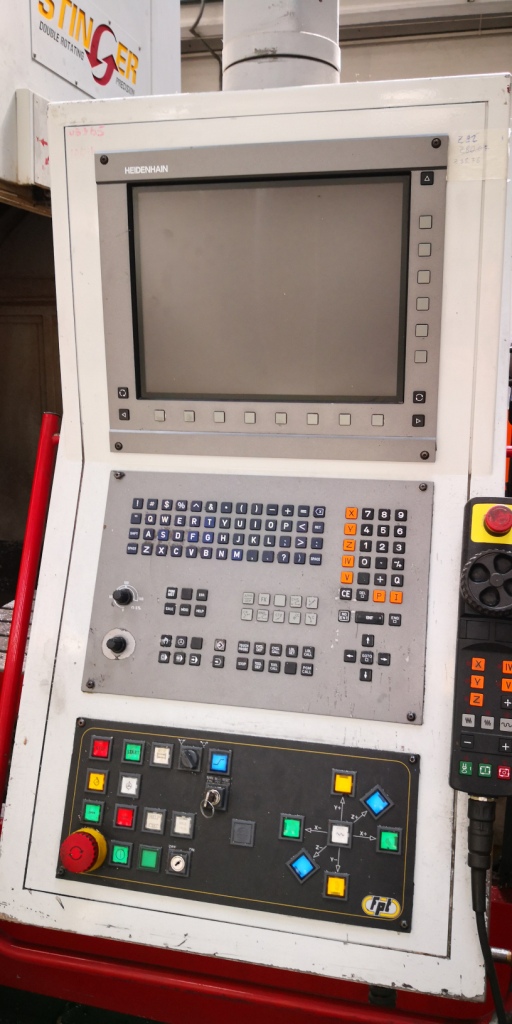
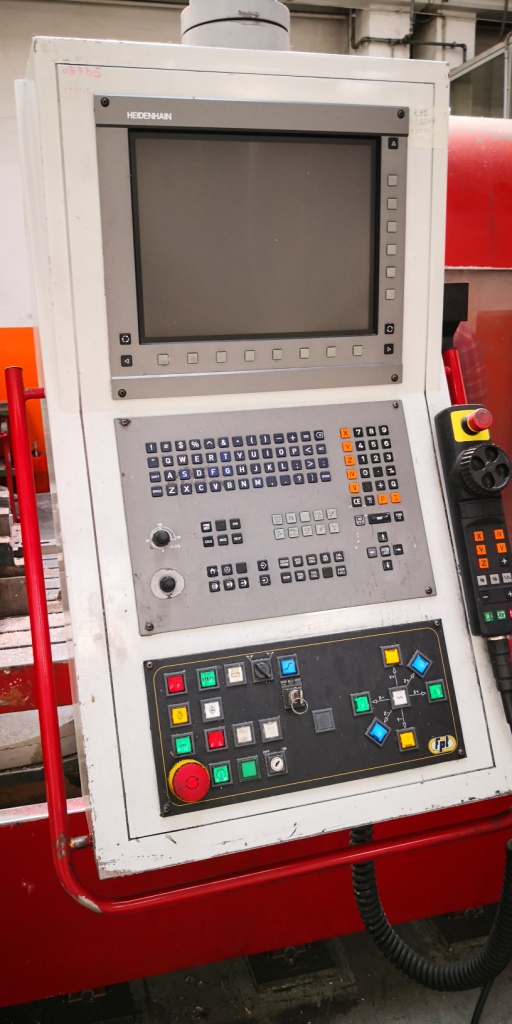
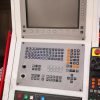
| CNC Control | HEIDENHAIN TNC 530 |
| Axis Travels | |
| X-Axis Travel | 1,750 mm |
| Y-Axis Travel | 1,400 mm |
| Z-Axis Travel | 600 mm |
| Table & Work Area | |
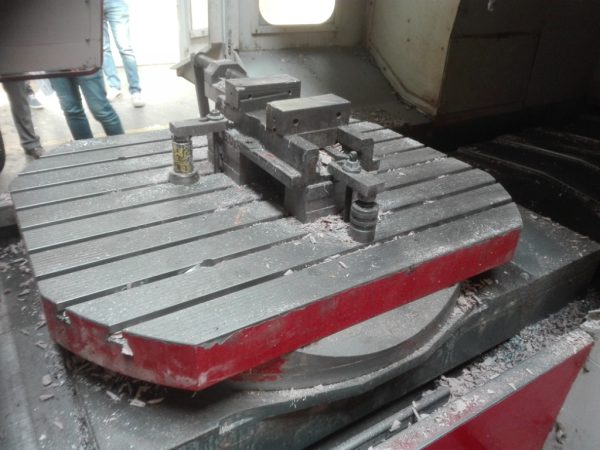
| Table Size | 1,200 × 1,000 mm |
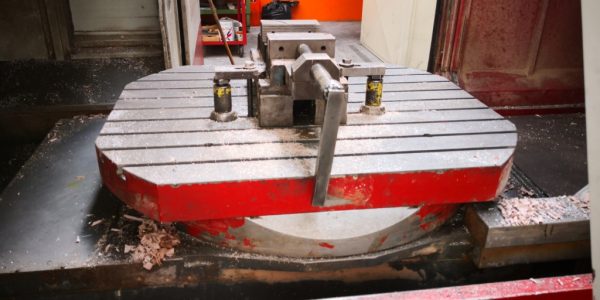
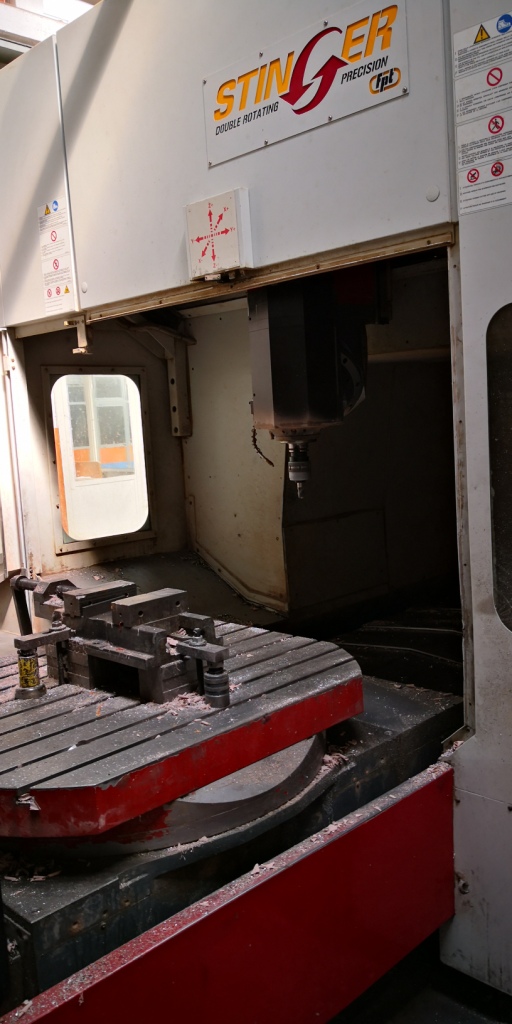
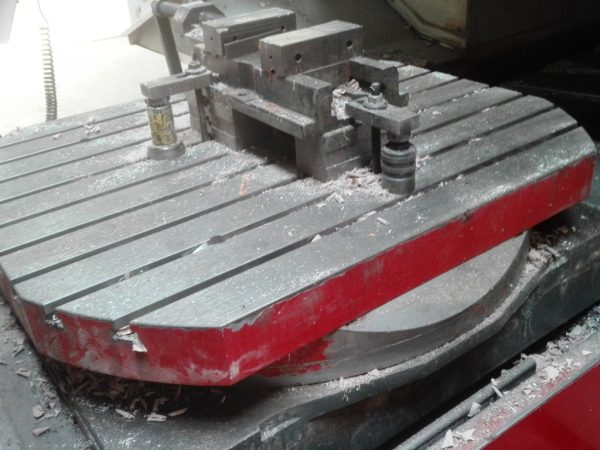
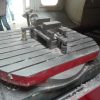
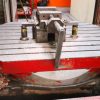
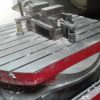
| Rotary Table | 1,200 × 1,000 mm CNC Rotary Table |
| Spindle & Head | |
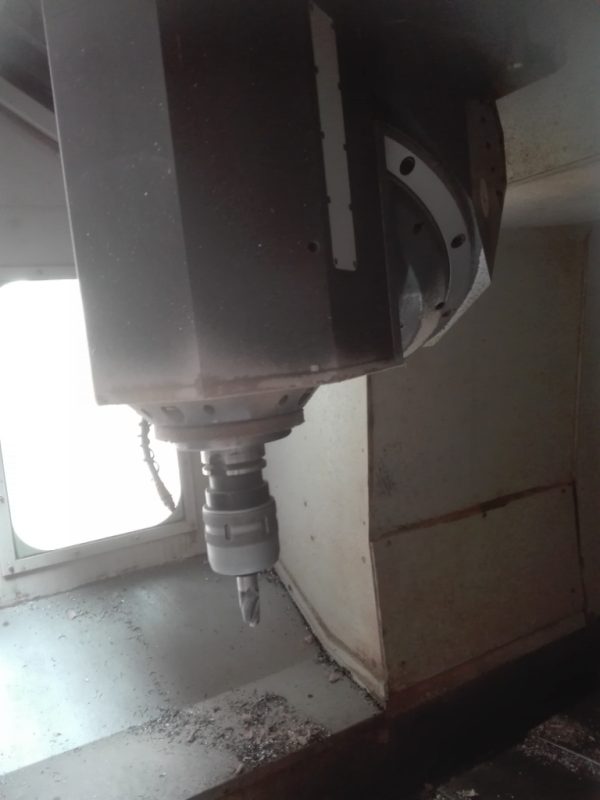
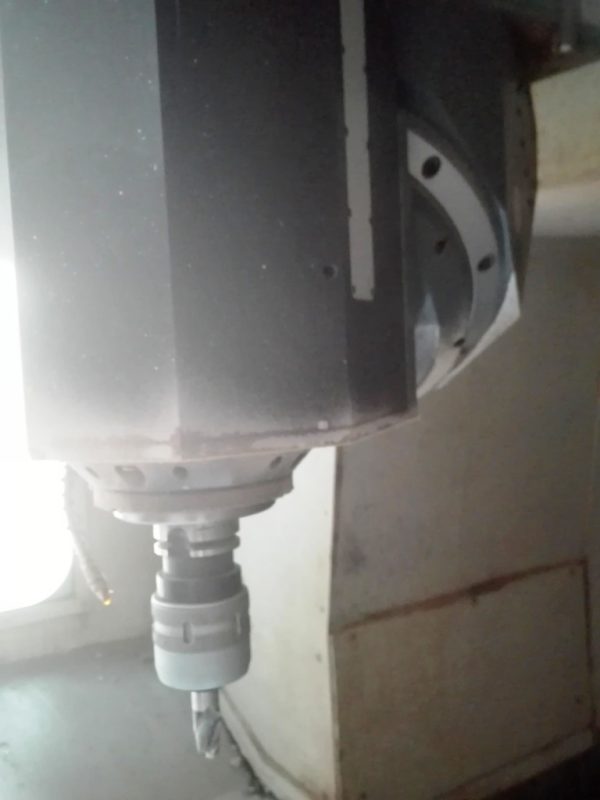
| Spindle Taper | HSK 63 |
| Spindle Speed | Up to 18,000 rpm |
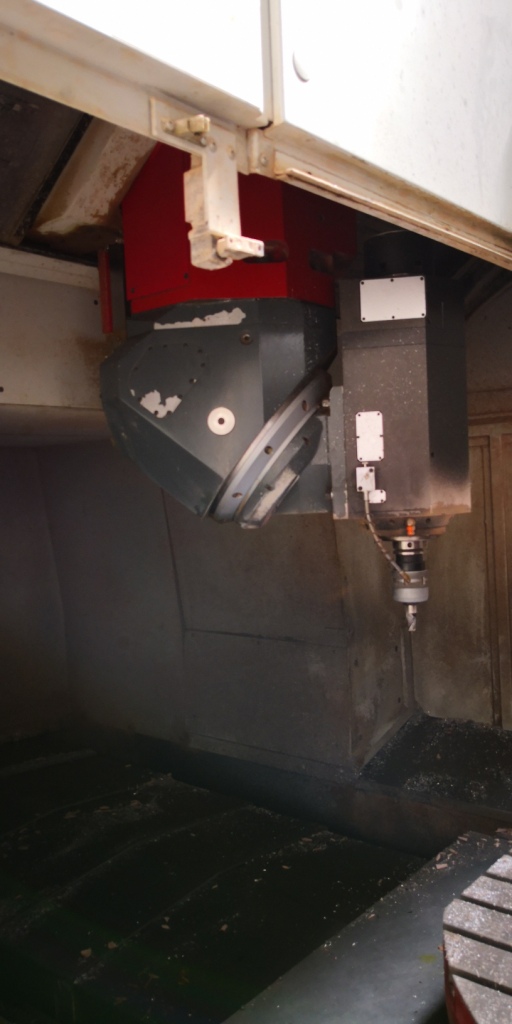
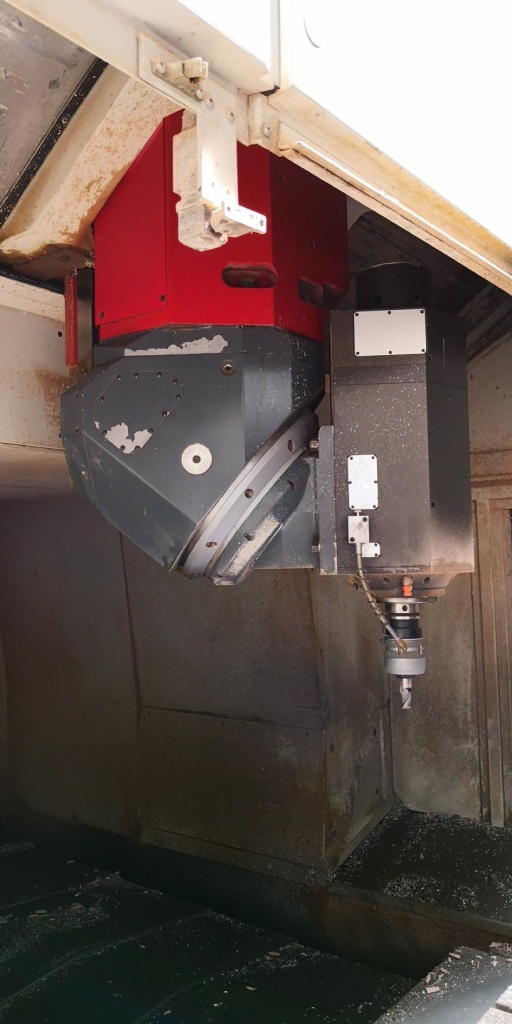
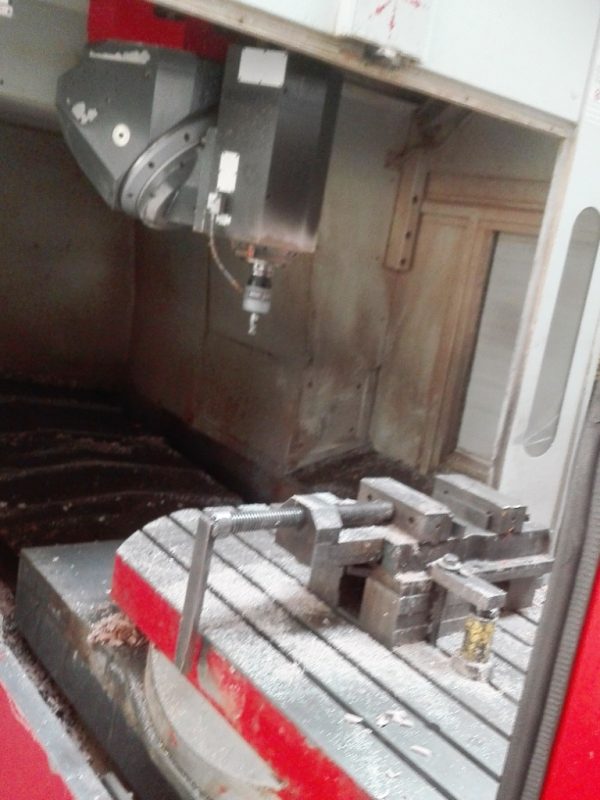
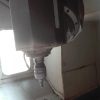
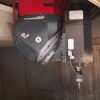
| Milling Head | HSK 63 – 5-axis indexed automatic head Maximum speed: 18,000 rpm |
| Tooling | |
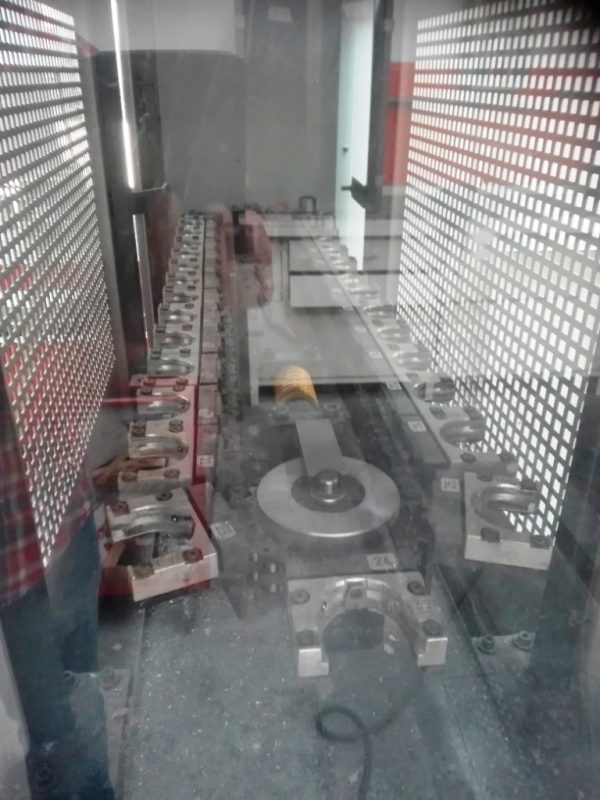
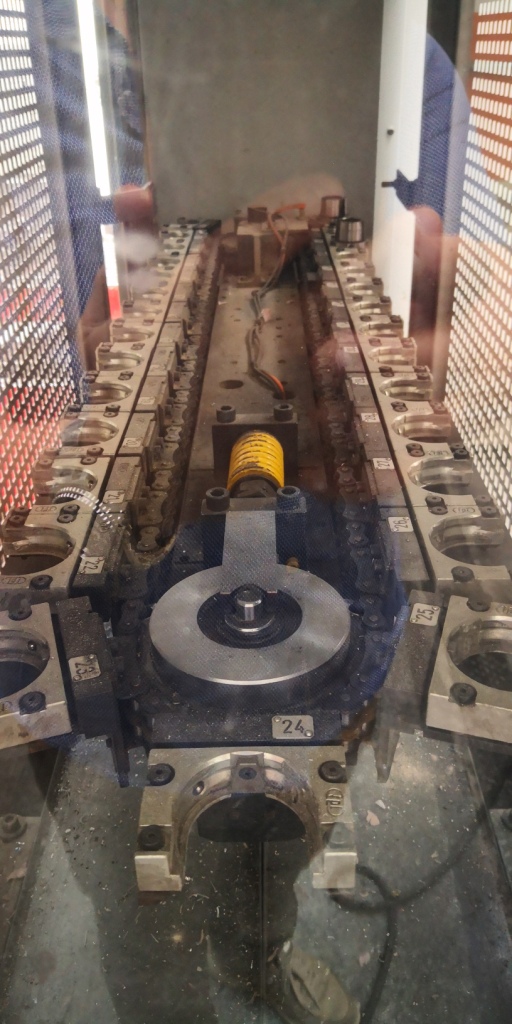
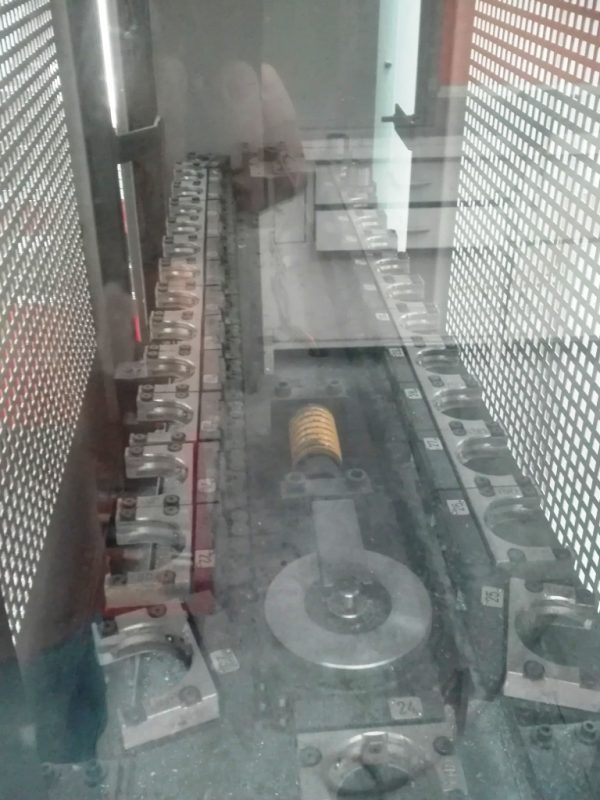
| Tool Magazine | 30 positions |
| CNC portal milling machine with X / Y / Z travels of 1,750 × 1,400 × 600 mm. Technical details should be verified and confirmed by the buyer prior to purchase. |
|
Technical Evaluation of the FPT STINGER
CNC Portal Milling Machine (Year 2005)
1. Technical Evaluation Overview
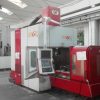
The FPT STINGER is a CNC portal (gantry-type) milling machine manufactured in 2005. The machine provides linear axis travels of X 1,750 mm, Y 1,400 mm, and Z 600 mm, defining a medium-format working envelope within the portal milling category.
It is equipped with a HEIDENHAIN TNC 530 CNC control, a widely used control platform for multi-axis milling during its production era. The spindle interface is HSK 63, with a maximum spindle speed of 18,000 rpm, indicating a configuration oriented toward high-speed milling rather than high-torque heavy cutting.
The machine is fitted with a 5-axis indexed automatic head (HSK 63), allowing positional (indexed) multi-face machining rather than continuous simultaneous 5-axis interpolation. A rotary table sized 1,200 × 1,000 mm is included, supporting indexed positioning of larger workpieces. Tool storage is provided via a 30-position tool magazine.
2. What to Check Before Buying
Given the machine’s age and configuration, inspection should focus on portal geometry and axis condition. The X- and Y-axis guideways should be checked for wear patterns, especially symmetry between both sides of the portal, as uneven wear can affect squareness and surface finish.
The indexed 5-axis head should be tested for repeatable positioning accuracy, clamping rigidity, and backlash at index points. The HSK 63 spindle should be evaluated for runout, vibration, and thermal behavior across the full speed range up to 18,000 rpm.
From a control perspective, the HEIDENHAIN TNC 530 should be powered and checked for alarm history, software version, parameter backups, and availability of manuals. Tool changer operation, tool recognition, and magazine mechanics should be verified. The rotary table should be checked for indexing accuracy, clamping force, and surface condition.
3. Typical Industrial Applications
Based strictly on the provided specifications, this machine is suitable for precision milling of medium-sized prismatic and complex components requiring multi-face access. Typical applications include molds, dies, aluminum or steel structural components, and general precision machining where high spindle speed and indexed 5-axis positioning are advantageous. Continuous simultaneous 5-axis machining should not be assumed unless explicitly verified.
4. Common Risks in Used Machines
Common risks for used portal milling machines include loss of geometric accuracy across the portal, wear in linear guides, and reduced stiffness due to long-term loading. For indexed heads, risks include indexing mechanism wear or clamping inconsistency. Control-related risks may involve aging electronics, limited spare part availability, or missing software backups. Rotary tables can also exhibit wear affecting positioning accuracy.
5. Maintenance and Service Considerations
Maintenance requirements depend on prior usage and service history, which are not provided. Regular attention should be given to guideway lubrication, spindle bearings, tool changer mechanics, and head indexing systems. The TNC 530 control generally benefits from long-term industry familiarity, but confirmation of service support, spare parts, and documentation availability is recommended.
Given the portal structure and rotary table, any realignment or major service work should be planned carefully to manage downtime and accuracy restoration.
Final Note:
While axis travels, spindle interface, control type, and major equipment are clearly stated, critical details—such as spindle power/torque, axis drive type, accuracy specifications, and maintenance history—are important. These factors should be verified through documentation review and on-machine testing before forming final technical conclusions.