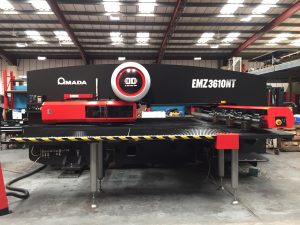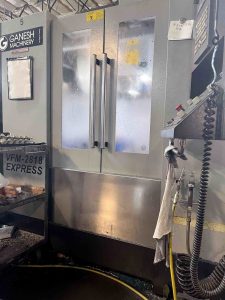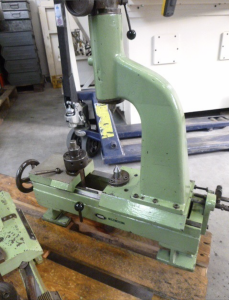
Technical Buyer’s Handbook: Assessing Pre-Owned, Used, Secondhand, Surplus CNC Machines Before Purchase Nakamura-Tome WT 150II CNC Turning Center 2 Turrets 2 Spindles made in Japan
Below is a professional Technical Buyer’s Handbook tailored for assessing a used Nakamura-Tome WT-150II CNC Turning Center (2 Turrets, 2 Spindles, made in Japan) before purchase — with detailed machine specifications and inspection & evaluation checklist for buyers of second-hand CNC machines.
Technical Buyer’s Handbook — Used CNC Machine Assessment
Model: Nakamura-Tome WT-150II CNC Turning Center
Machine Overview & Key Specifications
Machine Type: Multitasking CNC Turning Center
Brand: Nakamura-Tome (Japan)
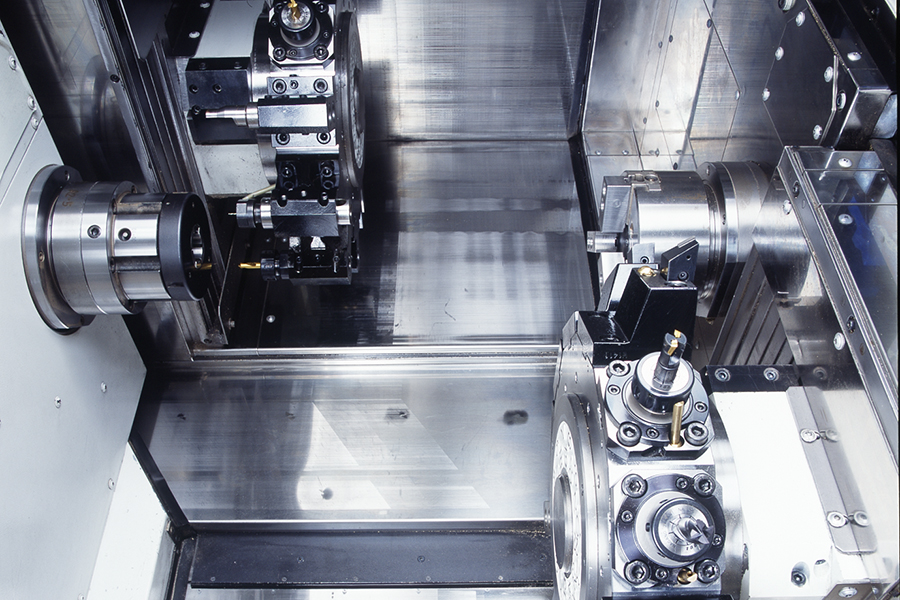
Model: WT-150II (Twin Spindle, Twin Turret)
Application: Turning, milling, simultaneous machining for medium production runs and complex parts.
Core Technical Specifications
Spindles & Turrets
- Twin Opposed Spindles for simultaneous machining and productivity.
- Left Spindle: ~15/11 kW
- Right Spindle: ~11/7.5 kW
- Speed: ~5,000 rpm (left), ~4,500 rpm (right).
- Dual Turrets (Upper & Lower)
- Up to 24 tools per turret (48 tools total available).
- Driven tool (live tools) capability for milling/turn-mill operations.
Capacity & Travel
- Max Turning Diameter: 190 mm
- Max Turning Length: 515 mm
- Distance Between Spindle Noses: 200–800 mm
- Bar Capacity: 51 mm standard / optional 65 mm (left spindle)
- Chuck Size: Typically 6″ (8″ optional)
Axis Travels
- X1 / X2: ~167.5 mm
- Z1 / Z2 / B: ~515 / 515 / ~600 mm
- Y (Upper Turret): ~±35 mm (if equipped)
Machine Footprint
- Physical Size ~3.67 m (L) × 2.26 m (W) × ~1.88 m (H)
- Approximate Weight ~8,900–9,000 kg depending on options.
Why This Machine Is Valuable
The WT-150II stands out due to:
✔ Simultaneous machining on two spindles and two turrets (boosts cycle speed)
✔ Broad tool availability – up to 48 tools ready in tool changers
✔ Multitasking capability – turning + milling operations without repositioning
✔ High rigidity & production-ready design – ideal for mixed part types
Pre-Purchase Inspection Checklist for Used CNC Machines
Use this checklist to evaluate any used WT-150II before purchase. It combines mechanical, electrical, control, and documentation inspections.
1. Visual & Mechanical Inspection
✔ Check entire machine body for rust, corrosion, dents, or fatigue.
✔ Inspect all covers & guards — missing ones may suggest neglect.
✔ Check way covers and guideways for wear marks or scoring.
✔ Look for leaks from hydraulic lines, coolant system, or spindles.
✔ Inspect belts, pulleys, and physical joints for age/wear signs.
Why this matters: Visible damage often hides deeper mechanical troubles.
2. Spindle & Bearing Evaluation
✔ Run each spindle at various speeds to check for:
- Unusual noises
- Vibration or wobble
- Excessive heat after run tests
✔ Inspect bearings for worn or damaged signs.
The spindle is the heart of the machine — expensive to repair/replace.
3. Guideways & Ball Screws
✔ Ensure smooth movement with no binding or backlash in axis travels.
✔ Check ball screws for play and lubrication health.
✔ Use a precision indicator to evaluate repeatability & positioning accuracy.
A worn guideway or ball screw degrades machining quality sharply.
4. Control System & Software
✔ Confirm CNC controller brand/version (e.g., Fanuc, Mitsubishi, etc.).
✔ Load and test programs; confirm compatibility with your current CAM system.
✔ Check for software errors, alarms, or outdated firmware.
✔ Verify USB/Network connectivity for program input/output.
✔ Ask about Post-Processor compatibility with your tooling CAM software.
Control issues can cripple integration into modern workflows.
5. Electrical & Panel Inspection
✔ Open electrical cabinet — look for dust, corrosion, burnt signs.
✔ Test panel buttons, switches, and display readability.
✔ Ensure all interlocks and safety circuits function normally.
✔ Verify proper labeling and wiring integrity.
Electrical faults are costly and dangerous if overlooked.
6. Documentation & History
✔ Maintenance Log: Dates & types of service performed
✔ Repair History: Major parts replaced (e.g. spindle, servo drives)
✔ Operation Manuals & Schematics: Essential for future troubleshooting
✔ Parts Lists or BOMs: Helps plan future maintenance
✔ Hours Meter / Cycle Counts: Verify utilization level
Machines with detailed history typically offer greater reliability.
7. Test Machining
✔ Run a test job using your typical workpiece material.
✔ Check dimensional accuracy and surface finish.
✔ Examine cycle time performance compared to expectations.
✔ Review tool changer function, turret indexing, and live-tool operation.
Test machining confirms real-world performance and reliability.
8. Cost Considerations
✔ Price vs. depreciation for age, hours, and condition
✔ Transport & rigging costs
✔ Installation, power upgrades, foundation work if necessary
✔ Tooling and spare parts budget
✔ Potential retrofit or controller upgrade costs
A discounted machine can have high hidden costs if not evaluated correctly.
9. Seller Reliability
✔ Buy from reputable dealers or sellers with references
✔ Ensure clear transfer of ownership
✔ Confirm return policy or limited warranty if available
Trustworthy sellers often provide better support post-sale.
Summary: What a Smart Buyer Focuses On
✔ Mechanical integrity & spindle health
✔ Control system compatibility
✔ Detailed service/maintenance history
✔ Test machining verification
✔ Transparent seller & fair total cost
✔ Availability of spare parts & technical support