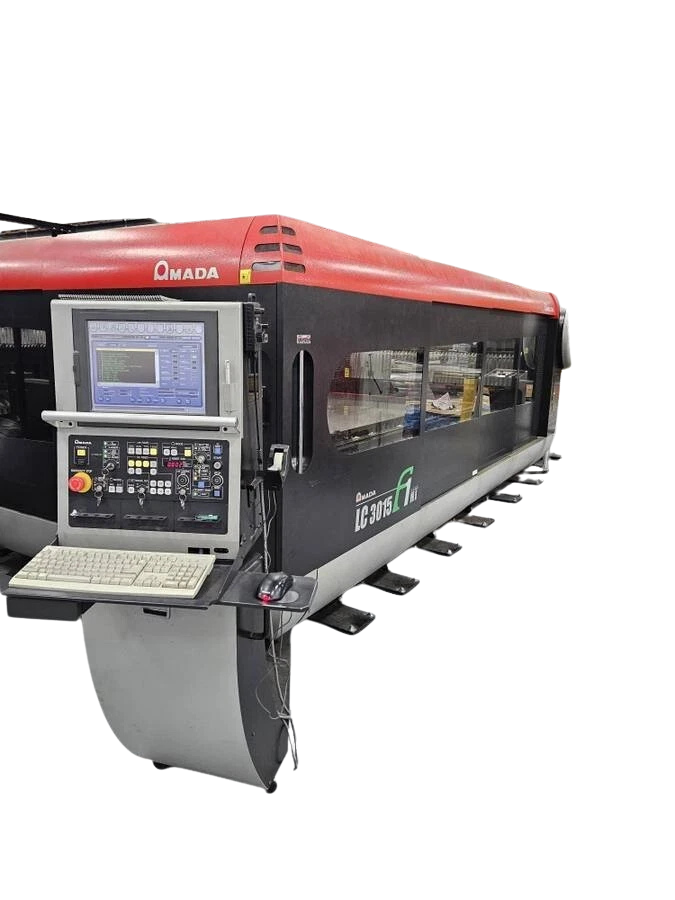
Full Metal Jacket FMJ Projectile System 9mm 124 Grain
This Machines Includes:
US Baird 3-25 Transfer Press 80 ppm
Lead Core Header Included
Currently in Use
What is 9mm 124 Grain FMJ Projectile System?
The 9mm 124 Grain FMJ (Full Metal Jacket) projectile system is a commonly used round in firearms, especially in handguns and submachine guns. Here’s a technical breakdown of the system:
1. Projectile Type:
Full Metal Jacket (FMJ): This means the bullet is encased in a harder metal shell, typically copper or a copper alloy, surrounding a softer lead core. FMJ rounds are known for high penetration, reduced expansion upon impact, and minimal deformation.
2. Grain Weight:
124 Grains: This refers to the weight of the bullet. In the context of 9mm rounds, 124 grains is a common choice, offering a balance between velocity, stopping power, and recoil. Heavier than the 115-grain variant, it provides a slightly more controlled recoil and better terminal performance due to greater momentum.
3. Ballistics:
Velocity: Typically, a 124-grain FMJ bullet is fired at velocities ranging from 1,100 to 1,200 feet per second (fps), depending on the firearm and load. This makes it suitable for self-defense and target shooting.
Energy: With a muzzle energy generally between 350 to 400 foot-pounds (ft-lbs), the round offers a good combination of power and manageable recoil.
4. Applications:
Target Practice: The FMJ design is optimal for target practice because it reduces fouling in the barrel and is cost-effective due to the lack of expanding features.
Military/Police Use: Many law enforcement agencies and militaries prefer FMJ rounds for training and duty use due to their reliability in feeding and penetration consistency.
Self-Defense (not ideal): While some individuals use FMJ rounds for self-defense, they are not the best option due to their over-penetration risks, meaning they might pass through a target and cause unintended damage.
5. Advantages:
Penetration: The FMJ bullet is less likely to fragment or expand, ensuring deep penetration.
Reliability: FMJ rounds feed smoothly in most firearms, minimizing jams.
Affordability: FMJ rounds are generally cheaper to manufacture, making them cost-effective for high-volume shooting.
6. Disadvantages:
Over-penetration Risk: FMJ bullets are less likely to deform or expand, leading to a higher risk of over-penetration.
Lower Stopping Power: Compared to hollow point or other expanding bullets, FMJ rounds offer less terminal performance in stopping threats.