How to Use a Handheld Laser Welder Machine: A Beginner’s Guide
Handheld laser welding machines have transformed modern metal fabrication by providing a faster, cleaner, and more efficient alternative to traditional welding methods. As industries continue to seek higher productivity and better weld quality, handheld laser welders are becoming increasingly popular in manufacturing, automotive repair, metal furniture production, kitchen equipment fabrication, construction, and many other sectors.
For beginners, a handheld laser welder machine may seem complex at first. However, with proper training and an understanding of the basic operating procedures, even new operators can quickly achieve professional-quality welding results. Compared with conventional TIG and MIG welding, laser welding offers a smaller heat-affected zone, reduced material deformation, higher welding speeds, and minimal post-processing requirements.
This beginner’s guide explains how a handheld laser welder machine works, how to prepare for welding, the correct operating procedures, important safety precautions, and practical tips for achieving high-quality welds.
What Is a Handheld Laser Welder Machine?
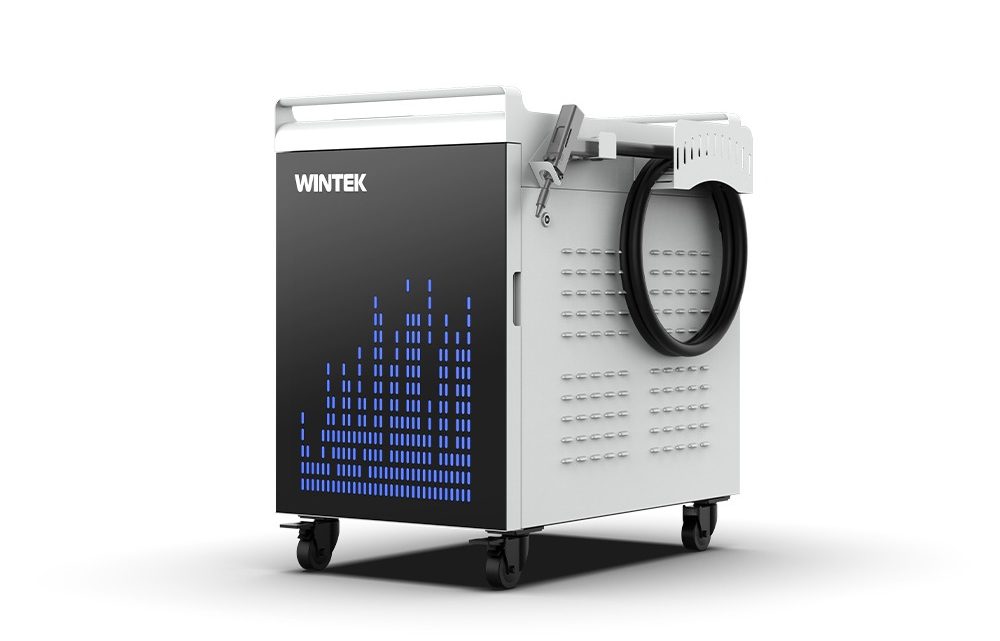
A handheld laser welder machine is a portable welding system that uses a concentrated laser beam to join metal materials together. The laser energy melts the metal at the joint, creating a strong and precise weld after cooling and solidification.
Most modern handheld laser welding systems consist of several key components, including a fiber laser source, laser welding gun, control system, cooling system, wire feeder, and protective gas supply system. These components work together to produce stable welding performance across various metal materials.
Handheld laser welders are commonly used for welding:
Stainless steel
Carbon steel
Aluminum
Galvanized steel
Copper
Brass
Titanium alloys
The technology is especially suitable for thin to medium-thickness metal sheets and products that require an attractive weld appearance and high precision.
Why Choose a Handheld Laser Welder?
The growing popularity of handheld laser welding machines is largely due to their numerous advantages over conventional welding methods.
Laser welding can be several times faster than TIG welding, significantly improving production efficiency. The concentrated energy input minimizes thermal distortion, making it ideal for precision metal fabrication. Since the weld seam is narrow and smooth, less grinding and polishing are required after welding.
Another major advantage is ease of operation. Traditional welding techniques often require extensive training and years of experience. In contrast, many operators can become proficient with handheld laser welding after a relatively short learning period.
Additionally, modern handheld laser welders often integrate multiple functions such as welding, cleaning, weld seam cleaning, and cutting, providing greater flexibility for manufacturers.
Understanding How Laser Welding Works
Before operating a handheld laser welder, it is important to understand the basic welding process.
The fiber laser source generates a high-energy laser beam that is transmitted through an optical fiber to the welding gun. When the laser beam reaches the metal surface, the energy is absorbed and converted into heat.
The localized heat rapidly melts the metal at the joint area. As the laser moves along the seam, a molten weld pool forms and then solidifies, creating a permanent metallurgical bond between the workpieces.
Protective shielding gas is typically used during welding to prevent oxidation and contamination of the molten metal. Depending on the material being welded, nitrogen, argon, or compressed air may be used.
The precise control of laser energy allows operators to produce clean and strong welds with minimal spatter and distortion.
Preparing for Welding
Proper preparation is one of the most important steps in achieving successful laser welding results.
Before starting the machine, inspect all components to ensure they are functioning correctly. Check the laser source, cooling system, power connections, gas supply, and welding gun. Verify that the protective lens is clean and free from contamination.
The metal surfaces should also be properly prepared. Dirt, oil, paint, rust, and oxidation layers can negatively affect weld quality. Clean the workpieces thoroughly before welding to ensure maximum laser energy absorption and strong weld penetration.
Workpieces should be positioned accurately and securely clamped to prevent movement during welding. Even slight movement can affect weld consistency and appearance.
The welding environment should be clean, dry, and well-ventilated. Avoid operating the machine in areas with excessive dust, moisture, or flammable materials.
Setting Up the Handheld Laser Welder
Once preparation is complete, the next step is configuring the machine settings.
Turn on the main power supply and start the cooling system. Most handheld laser welders use a water chiller to maintain stable operating temperatures and protect the laser source.
After the system completes its startup sequence, select the appropriate welding parameters through the control panel. Key settings typically include laser power, welding speed, wobble width, pulse frequency (if applicable), and shielding gas flow rate.
Different materials and thicknesses require different parameter combinations. For example, thin stainless steel sheets generally require lower power settings, while thicker carbon steel may need higher laser output.
Many modern laser welders include pre-programmed welding modes that simplify setup for beginners. These presets can provide a good starting point before fine-tuning parameters for specific applications.
Before welding actual products, conduct several test welds on scrap material with the same thickness and composition. This allows adjustments to be made without risking damage to finished workpieces.
How to Perform Laser Welding
Operating a handheld laser welder correctly is essential for achieving consistent weld quality.
Hold the welding gun comfortably and maintain a stable posture. Position the laser nozzle at the recommended distance from the workpiece according to the machine manufacturer’s guidelines.
Align the laser beam with the joint line before activating the trigger. Once welding begins, move the welding gun smoothly along the seam at a consistent speed.
Avoid sudden changes in movement speed or direction. Uneven travel speed can lead to inconsistent weld penetration and irregular weld appearance.
Keep the welding gun angle stable throughout the welding process. Most applications require an angle between 30 and 60 degrees relative to the workpiece surface.
As the laser moves along the joint, observe the weld pool and seam formation carefully. A stable weld pool typically indicates proper parameter settings and welding technique.
When reaching the end of the seam, gradually stop movement and release the trigger according to the recommended procedure to prevent defects such as craters or incomplete fusion.
Common Welding Techniques for Beginners
Different joint designs require different welding approaches.
Butt welding is one of the most common and beginner-friendly techniques. In this method, two metal pieces are positioned edge-to-edge and welded along the joint line. Proper alignment is critical for achieving full penetration and uniform weld quality.
Lap welding involves overlapping two metal sheets and welding along the overlap area. This technique is frequently used in sheet metal fabrication and automotive applications.
Corner welding is commonly used for box structures, cabinets, and metal frames. Maintaining consistent gun positioning is particularly important when welding corners.
Fillet welding is used to join two surfaces positioned at right angles. Laser welding can produce clean and strong fillet welds with minimal heat distortion.
Beginners should practice these basic joint configurations before attempting more complex welding tasks.
Safety Precautions When Using a Handheld Laser Welder
Laser welding equipment produces high-energy laser radiation that can cause serious injury if proper safety measures are not followed.
Operators should always wear certified laser safety glasses designed for the specific laser wavelength used by the machine. Standard safety glasses do not provide adequate protection.
Protective gloves, welding clothing, and safety footwear should also be worn to prevent burns and other injuries.
Never point the laser gun toward people, reflective surfaces, or unintended targets. Reflected laser beams can be extremely dangerous.
Ensure that the work area is equipped with appropriate safety barriers and warning signs. Unauthorized personnel should remain outside the designated laser operating area.
Adequate ventilation is necessary because welding may generate fumes and airborne particles. Fume extraction systems can help maintain a safe working environment.
Regular inspection of safety systems, emergency stop functions, and protective interlocks is also essential for safe operation.
Troubleshooting Common Welding Problems
Beginners may occasionally encounter welding defects while learning to operate the machine.
If weld penetration is insufficient, laser power may be too low or travel speed may be too high. Adjusting these parameters can often solve the problem.
Excessive spatter may indicate incorrect focus position, excessive power, or contaminated material surfaces. Cleaning the material and optimizing settings can improve results.
Porosity in the weld seam often occurs due to inadequate shielding gas coverage or contamination. Verify gas flow rates and ensure materials are properly cleaned.
If the weld seam appears uneven, the operator may be moving the welding gun inconsistently. Practicing smooth and controlled movement usually improves weld appearance.
Regular maintenance and proper parameter optimization are key factors in minimizing welding defects.
Maintenance Tips for Long-Term Performance
Routine maintenance helps ensure stable machine performance and extends equipment lifespan.
Protective lenses should be inspected and cleaned regularly because contamination can reduce laser transmission efficiency. Damaged lenses should be replaced immediately.
The cooling system should be checked frequently to maintain proper water quality and operating temperature. Cooling system failures can significantly shorten laser source life.
Gas lines and connections should be inspected for leaks to ensure effective shielding during welding.
Keep the machine free from dust and debris, particularly around ventilation openings and electrical components.
Following the manufacturer’s maintenance schedule can reduce downtime and improve long-term reliability.
Conclusion
Handheld laser welding technology offers an efficient, precise, and user-friendly solution for modern metal fabrication. Although the equipment may initially appear advanced, beginners can quickly learn to operate a handheld laser welder machine by understanding its basic principles, following proper setup procedures, and practicing correct welding techniques.
By preparing materials carefully, selecting appropriate welding parameters, maintaining stable gun movement, and following essential safety guidelines, new operators can achieve high-quality welds with minimal defects. As experience grows, users will discover the full advantages of laser welding, including faster production speeds, cleaner weld seams, reduced distortion, and lower post-processing requirements.
Whether you are a small workshop owner, metal fabricator, or industrial manufacturer, investing time in learning how to use a handheld laser welder machine can significantly improve productivity and welding quality. If you are looking for a reliable and easy-to-operate laser welding solution, Wintek offers advanced handheld laser welding machines designed to help both beginners and professionals achieve outstanding welding results. Contact Wintek today to learn more about our laser welding equipment and receive a customized quotation for your production needs.
Address:
No. 2303, Building 4, United Fortune Plaza, No. 2177, Tianchen Road, High-tech Zone, Jinan City, China
Phone: 86-18769786070
Email: admin@winteklaser.com
Website: https://winteklaser.com/