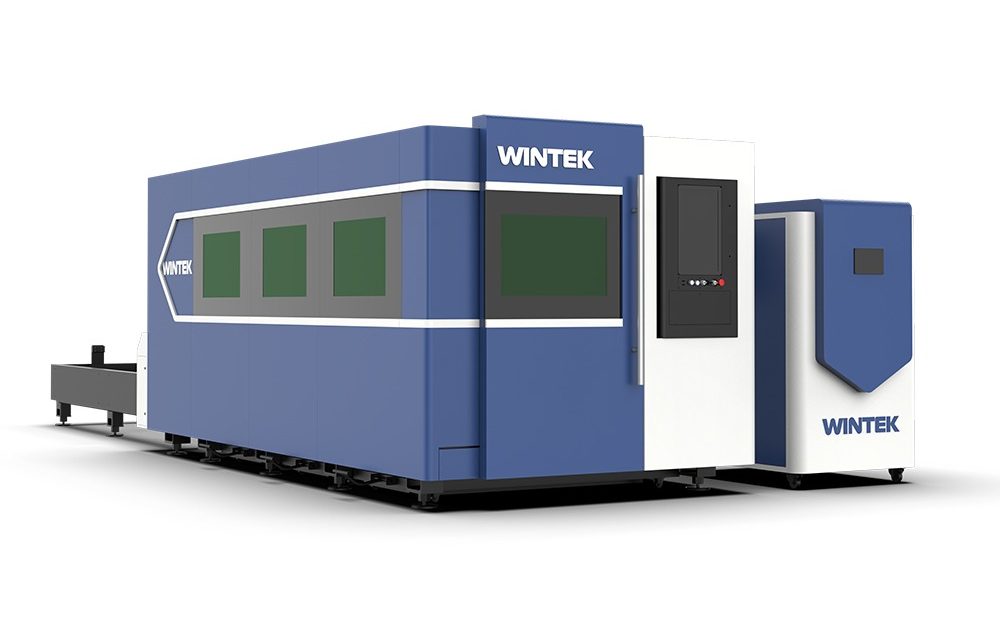
How to Protect Fiber Optic Laser Cutting Machine from Freezing in Winter
Winter weather can create serious challenges for industrial equipment, especially for fiber optic laser cutting machines. In regions where temperatures fall below freezing, improper protection can lead to damaged cooling systems, reduced cutting performance, costly repairs, and unexpected production downtime. Since fiber laser cutting machines rely heavily on water-based cooling systems to maintain stable operating temperatures, freezing conditions pose a significant risk to both the laser source and auxiliary components.
Understanding how cold weather affects laser equipment and implementing proper winter protection measures can help manufacturers maintain productivity while extending machine lifespan. This article explains the key risks associated with freezing temperatures and provides practical steps to protect your fiber optic laser cutting machine throughout the winter season.
Why Freezing Temperatures Are Dangerous for Fiber Laser Cutting Machines
Fiber optic laser cutting machines contain several critical components that are sensitive to low temperatures. The laser source, cutting head, water chiller, optical components, pipes, and circulation systems all depend on stable environmental conditions for reliable operation.
When water inside the cooling system freezes, it expands in volume. This expansion can crack pipes, damage pumps, rupture heat exchangers, and even destroy internal cooling channels inside expensive laser components. Once these parts are damaged, repairs can be costly and may require extended machine downtime.
Low temperatures can also affect lubricants and mechanical systems. Thickened lubricating oils may reduce movement precision in guide rails, ball screws, and servo-driven components. This can negatively impact cutting accuracy and machine performance.
In addition, rapid temperature changes may create condensation on optical components and electronic circuits. Moisture accumulation can lead to corrosion, electrical failures, short circuits, and reduced optical transmission efficiency.
Because of these risks, winter protection should be considered an essential maintenance practice rather than an optional precaution.
Maintain a Suitable Workshop Temperature
One of the most effective ways to prevent freezing damage is to maintain a stable indoor temperature within the laser cutting workshop. Most fiber laser cutting machine manufacturers recommend keeping the operating environment above 5°C (41°F), while temperatures between 15°C and 30°C (59°F–86°F) are generally ideal for machine performance.
Installing heating systems in the production area can significantly reduce the risk of freezing. Industrial heaters, HVAC systems, or localized heating units can help maintain a consistent temperature even during extremely cold weather.
Temperature monitoring devices should be placed in different sections of the workshop, especially near the laser source, water chiller, and storage areas. Continuous monitoring allows operators to identify potential freezing risks before damage occurs.
Keeping doors and windows closed during cold periods also helps reduce heat loss. Drafts from frequently opened loading doors can cause localized cold spots that may affect equipment positioned nearby.
A controlled workshop environment not only protects the laser cutting machine but also improves cutting consistency and overall production efficiency.
Protect the Water Chiller System
The water chiller is one of the most vulnerable components during winter. Since it continuously circulates coolant through the laser source and cutting head, freezing can cause severe damage within a short period.
Operators should regularly inspect the coolant level and verify proper circulation before starting production. Any interruption in coolant flow during cold weather should be addressed immediately.
Many manufacturers recommend using antifreeze solutions specifically designed for industrial laser cooling systems. Appropriate antifreeze mixtures lower the freezing point of the coolant while maintaining adequate cooling performance.
When adding antifreeze, it is important to follow the laser manufacturer’s guidelines. Excessive antifreeze concentration may reduce heat transfer efficiency and negatively affect cooling performance during operation.
Regularly checking coolant quality is equally important. Old coolant may contain contaminants or lose its protective properties over time. Replacing coolant according to maintenance schedules helps ensure reliable winter operation.
Proper water chiller maintenance is often the most critical factor in preventing winter-related equipment failures.
Use the Correct Antifreeze Solution
Selecting the appropriate antifreeze is essential for protecting fiber optic laser cutting machines in cold climates. Industrial laser equipment typically requires specialized antifreeze products that are compatible with cooling system materials and laser components.
Ethylene glycol and propylene glycol are commonly used antifreeze additives. However, not every formulation is suitable for laser applications. Operators should always consult equipment manufacturers before introducing any chemical additives into the cooling system.
The required antifreeze concentration depends on the lowest expected ambient temperature. Areas experiencing mild winter conditions may only require a small percentage of antifreeze, while colder regions may need higher concentrations for adequate protection.
It is important to mix antifreeze and purified water properly before adding the solution to the system. Uneven mixing can reduce protection effectiveness and create cooling inconsistencies.
Periodic testing of antifreeze concentration throughout the winter season helps ensure the coolant remains capable of preventing freezing under changing environmental conditions.
Drain Water When the Machine Is Not in Use
For facilities that shut down equipment for extended periods during winter holidays or seasonal production breaks, draining the cooling system may provide additional protection.
Removing water from the laser source, cutting head, chiller, pipes, and related components eliminates the possibility of freezing damage. This method is especially useful in facilities where maintaining indoor heating is difficult or costly.
Before draining the system, operators should carefully follow the procedures specified by the equipment manufacturer. Improper draining may leave residual water trapped inside sensitive components.
Compressed air can sometimes be used to remove remaining liquid from cooling channels and pipelines. However, air pressure should be controlled carefully to avoid damaging internal components.
After the machine returns to service, the cooling system should be refilled with clean coolant and thoroughly inspected for leaks before operation begins.
Proper drainage can provide an extra layer of protection during prolonged winter shutdowns.
Prevent Condensation and Moisture Problems
While freezing is a major concern, condensation can be equally harmful to fiber laser equipment. When cold components are suddenly exposed to warmer air, moisture may form on surfaces, including optics and electronic assemblies.
Condensation can reduce laser beam quality, contaminate optical lenses, and increase the risk of electrical failures. Preventing sudden temperature fluctuations is therefore an important part of winter maintenance.
Machines that have been exposed to low temperatures should be allowed to warm gradually before startup. This stabilization period helps reduce moisture formation inside sensitive areas.
Maintaining proper humidity levels within the workshop can also minimize condensation risks. Dehumidifiers may be beneficial in regions where winter humidity levels fluctuate significantly.
Regular inspections of optical windows, protective lenses, electrical cabinets, and control systems can help identify moisture-related issues before they develop into serious failures.
A proactive approach to moisture control helps preserve both machine reliability and cutting quality.
Perform Regular Winter Maintenance Inspections
Winter is an ideal time to increase the frequency of preventive maintenance inspections. Regular checks help identify potential problems before they result in costly downtime.
Operators should inspect coolant lines, pumps, valves, filters, and connections for signs of leakage, blockage, or wear. Even minor coolant leaks can become more serious under freezing conditions.
Mechanical systems such as guide rails, rack-and-pinion drives, ball screws, and bearings should receive appropriate lubrication according to manufacturer recommendations. Winter-grade lubricants may be necessary in extremely cold environments.
Electrical cabinets should also be inspected for moisture accumulation, loose connections, and abnormal temperature conditions. Ensuring adequate ventilation and cleanliness contributes to reliable operation throughout the season.
Recording maintenance activities in a detailed service log allows maintenance teams to track equipment condition and respond quickly to developing issues.
Consistent preventive maintenance remains one of the most effective ways to avoid winter-related machine failures.
Train Operators on Winter Protection Procedures
Even the best maintenance plans can fail if operators are not properly trained. Every employee responsible for operating or maintaining the fiber laser cutting machine should understand winter protection requirements.
Training programs should cover startup procedures, shutdown procedures, coolant inspections, antifreeze management, temperature monitoring, and emergency response protocols. Operators should also know how to identify early warning signs of freezing damage.
Creating standardized winter operation checklists can help ensure important tasks are not overlooked during busy production periods. Daily inspections often take only a few minutes but can prevent expensive repairs.
When operators understand the reasons behind winter protection measures, compliance typically improves and equipment reliability increases.
A well-trained workforce is an important part of any successful equipment protection strategy.
Conclusion
Protecting a fiber optic laser cutting machine from freezing temperatures is essential for maintaining productivity, preventing costly repairs, and extending equipment lifespan. Cold weather can damage cooling systems, reduce mechanical performance, and create condensation-related issues that affect both machine reliability and cutting quality.
By maintaining a stable workshop temperature, protecting the water chiller system, using the correct antifreeze solution, draining coolant during extended shutdowns, preventing condensation, performing regular maintenance inspections, and training operators properly, manufacturers can significantly reduce winter-related risks.
As a professional manufacturer of fiber laser cutting equipment, Wintek Laser is committed to helping customers achieve reliable year-round production. Wintek fiber laser cutting machines are designed with high-quality components, advanced cooling systems, and robust industrial structures to ensure stable performance in a wide range of operating environments. In addition to providing cutting-edge laser solutions, Wintek offers comprehensive technical support, maintenance guidance, and after-sales service to help customers maximize equipment efficiency and longevity.
For businesses that rely on laser cutting technology, proactive winter protection is a small investment compared to the potential cost of equipment damage and production downtime. By following the proper winter maintenance practices and partnering with an experienced supplier like Wintek Laser, manufacturers can keep their equipment safe, efficient, and ready for continuous operation throughout the coldest months of the year.
If you are looking for high-performance fiber laser cutting machines or need professional advice on machine maintenance and operation, contact Wintek Laser today to learn more about our advanced laser cutting solutions and receive a customized quotation for your manufacturing needs.
Address:
No. 2303, Building 4, United Fortune Plaza, No. 2177, Tianchen Road, High-tech Zone, Jinan City, China
Phone: 86-18769786070
Email: admin@winteklaser.com
Website: https://winteklaser.com/