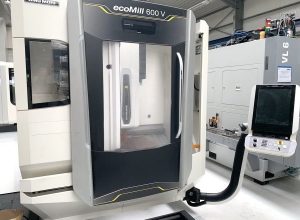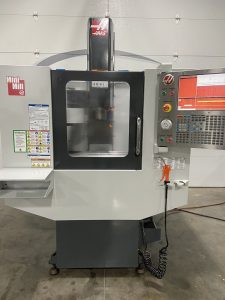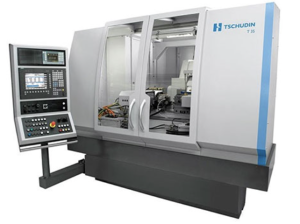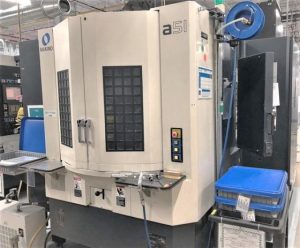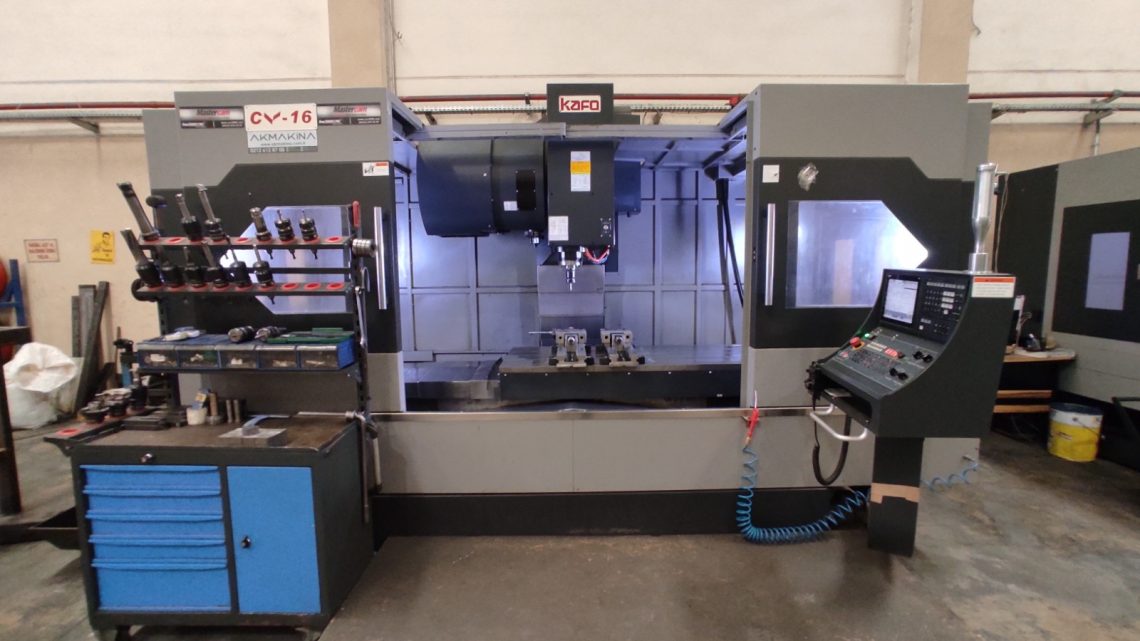
Engineer’s Choice: What to Check Before Purchasing a Used, Pre-Owned, Surplus, Secondhand KAFO CV-16 CNC Vertical Machining Center made in Taiwan
Below is a professional, engineer-level buyer’s guide for evaluating a used / pre-owned / surplus KAFO CV-16 CNC Vertical Machining Center (Made in Taiwan).
Only technical and practical inspection guidance.
Engineer’s Choice: What to Check Before Purchasing a Used KAFO CV-16 CNC Vertical Machining Center (Taiwan)
Machine Overview
The KAFO CV-16 is a mid-to-large size CNC Vertical Machining Center designed for rigid cutting, good thermal stability, and reliable production machining. Taiwanese KAFO machines are known for solid castings, box-way construction on many models, and good long-term mechanical durability when maintained correctly.
The CV-16 is typically used in mold & die, general machining, automotive parts, and heavy job-shop environments.
1. Structural & Mechanical Inspection (Top Priority)
Machine Base and Column
- Inspect the base casting and column for cracks, repairs, or weld marks.
- Check signs of machine relocation damage (anchor bolt stress, uneven leveling).
Guideways (Critical)
Depending on configuration, the CV-16 may use box ways or linear guides.
- Check for:
- Scoring or flaking damage
- Uneven wear patterns on X/Y/Z
- Excessive stick-slip at low feed rates
- Box-way machines should still show visible scraping marks if not excessively worn.
Ball Screws & Backlash
- Measure backlash on all axes using a dial indicator.
- Pay special attention to Z-axis ball screw, which carries the highest load.
- Excessive backlash indicates worn nuts or poor lubrication history.
2. Spindle Assembly Evaluation
Spindle Condition
- Run the spindle from low speed to maximum RPM.
- Listen for:
- Bearing noise
- Whining at high RPM
- Vibration during acceleration/deceleration
Spindle Runout
- Measure radial and axial runout at the taper.
- Excessive runout indicates bearing wear or crash history.
Spindle Cooling
- Verify spindle oil chiller or cooling system operation (if equipped).
- Overheated spindles often point to lubrication or bearing issues.
3. CNC Control & Electrical System
CNC Control
KAFO CV-16 machines are commonly equipped with:
- FANUC
- Mitsubishi
- Heidenhain (less common)
Check:
- Control boot-up without alarms
- Axis homing stability
- Parameter backup availability
Servo Drives & Motors
- Jog all axes at slow and rapid speeds.
- Look for:
- Servo hunting
- Position deviation alarms
- Unstable axis motion
Electrical Cabinet
- Inspect for heat damage, dust buildup, and aging contactors.
- Confirm cooling fans are operational.
4. Tool Changer & Tooling System
ATC Function
- Run multiple tool changes in sequence.
- Check:
- Arm alignment
- Gripper wear
- Smooth carousel rotation
Tool Taper & Retention
- Inspect spindle taper for fretting or pull-stud damage.
- Verify drawbar clamping force if possible.
5. Cooling, Lubrication & Auxiliary Systems
Lubrication System
- Confirm automatic lubrication cycles properly.
- Check for clogged lines or dry guideways.
Coolant System
- Test coolant pump and flow rate.
- Check tank condition and filtration system.
Chip Management
- Inspect chip conveyor (if equipped).
- Confirm correct operation and direction.
6. Geometry & Accuracy Checks
Before final purchase, perform:
- Axis squareness check
- Circular interpolation test
- Spindle-to-table perpendicularity test
Poor geometry often indicates long-term wear or crash events.
7. Typical KAFO CV-16 Technical Details
(Exact specifications vary by year and configuration)
Machine Type
CNC Vertical Machining Center
Country of Manufacture
Taiwan
Table
- Table size: approx. 1,600 × 800 mm
- Maximum table load: approx. 1,500–2,000 kg
Axis Travels
- X-axis: approx. 1,600 mm
- Y-axis: approx. 800 mm
- Z-axis: approx. 700–800 mm
Spindle
- Taper: BT40 or BT50 (model dependent)
- Spindle speed: typically 6,000–10,000 rpm
- Spindle motor power: approx. 15–22 kW
Feed Rates
- Rapid traverse: approx. 20–36 m/min
- Cutting feed: CNC-controlled
Tool Changer
- Tool capacity: typically 24–30 tools
- Automatic tool changer (arm type)
Machine Weight
- Approximately 9,000–12,000 kg
8. Common Wear & Risk Areas on Used Units
- Z-axis ball screw and thrust bearings
- Spindle bearings (especially on high-RPM versions)
- Tool changer arm alignment
- Way lubrication distribution blocks
- Electrical connectors aged by heat
9. Engineer’s Final Advice
- Prioritize mechanical condition over control options
- Avoid machines without lubrication history
- Verify spindle rebuild records if available
- Always perform a live cutting test
- Plan for geometry verification after installation
A well-maintained KAFO CV-16 can deliver many more years of stable, accurate machining if selected correctly.