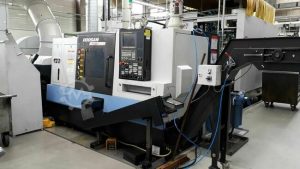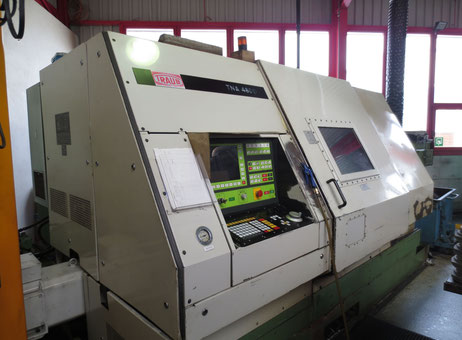
CNC Specialist’s Guide: Selecting the Right Used, Surplus, Secondhand, Pre-Owned TRAUB TNA 480 CNC Lathe made in Germany
Below is a professional, industry-style buyer’s guide for the TRAUB TNA 480 CNC Lathe (Made in Germany).
The focus is on selection criteria, inspection points, and technical details.
CNC Specialist’s Guide: Selecting the Right Used TRAUB TNA 480 CNC Lathe (Germany)
Overview
The TRAUB TNA 480 is a heavy-duty CNC turning center designed for high-precision and high-volume production. Built in Germany, it is widely used in automotive, hydraulic, and general precision engineering sectors. When purchased on the used or surplus market, the TNA 480 can deliver excellent value—provided it is inspected correctly and configured to match your production requirements.
1. What Makes the TRAUB TNA 480 a Serious Production Lathe
- Rigid machine structure suitable for continuous industrial operation
- High torque main spindle for aggressive roughing and stable finishing
- Precision slideways and robust turret system
- Long-term mechanical durability when properly maintained
- Proven reliability in European mass-production environments
This machine is not intended for light job-shop use; it is best suited for repeatable, cycle-time-critical turning applications.
2. Pre-Purchase Inspection Checklist (What Professionals Check)
Mechanical Condition
- Bed and Guideways
Inspect for scoring, wear marks, or uneven polishing. Excessive wear affects geometry and repeatability. - Ball Screws and Axis Backlash
Measure backlash on X and Z axes. Excessive play indicates nut or screw wear. - Spindle Condition
Run the spindle through the full speed range. Listen for bearing noise and check radial/axial runout. - Turret Indexing Accuracy
Turret must lock positively with no hesitation or misalignment. Check face wear and coupling condition.
CNC Control and Electronics
- Control Type and Support
TRAUB TNA 480 machines are commonly equipped with Siemens or FANUC controls. Verify software version and parts availability. - Alarm History and Diagnostics
Check stored alarms, axis following errors, and drive warnings. - Electrical Cabinet
Inspect fans, relays, and boards for heat damage or contamination.
Hydraulic and Lubrication Systems
- Confirm stable hydraulic pressure
- Check for oil leaks at valves and hoses
- Ensure automatic lubrication system is functioning correctly
Tooling and Accessories
- Verify included toolholders, boring bars, and live tooling (if equipped)
- Check coolant system, chip conveyor, and guarding
- Confirm tailstock or sub-spindle operation (if applicable)
3. Typical Applications
- Automotive shafts and hubs
- Hydraulic components
- Flanges, bushings, and sleeves
- Medium to large batch turning operations
- Parts requiring high torque and stable cutting performance
4. TRAUB TNA 480 – Typical Technical Details
(Exact specifications may vary by year and configuration)
Machine Type
CNC Turning Center
Country of Manufacture
Germany
Control System
Siemens CNC or FANUC (depending on configuration)
Machining Capacity
- Maximum turning diameter: approximately 480 mm
- Maximum turning length: approximately 750–1,000 mm
Spindle
- Spindle nose: A2-8 (typical)
- Maximum spindle speed: approx. 3,000–4,000 rpm
- High-torque spindle designed for heavy cutting
- Main spindle motor power: approx. 22–30 kW
Axes
- X-axis travel: approx. 300 mm
- Z-axis travel: approx. 800–1,000 mm
- Rapid traverse rates suitable for production turning
Turret
- Number of tool stations: typically 12
- Indexing turret with rigid locking system
- Optional live tooling depending on machine version
Chuck
- Typical chuck size: 10″–12″
- Hydraulic chuck system
Accuracy
- High positional repeatability suitable for precision production
- Stable geometry due to rigid bed and slide design
Machine Weight
- Approximately 7,000–9,000 kg (depending on configuration)
5. Common Wear Points on Used Machines
- Spindle bearings (noise at high rpm)
- Turret coupling and indexing mechanism
- Axis ball screws and linear guides
- Hydraulic seals and solenoid valves
- Control panels and aging electronic boards
6. Test Run Before Final Decision
A professional evaluation should include:
- Cold and warm spindle run tests
- Full axis travel and homing
- Turret indexing and tool change tests
- Sample cutting under load
- Coolant flow and chip evacuation check
7. Final Professional Advice
- Match spindle torque and speed to your actual parts, not catalog figures
- Confirm electrical compatibility with your facility power supply
- Prioritize machines with documented service history
- Avoid units with undocumented control retrofits
- Budget time for geometry checks and preventive maintenance after installation