Avoid Costly Mistakes: Professional Tips for Purchasing a Pre-Owned / Second-Hand / used Trumpf 3030L?
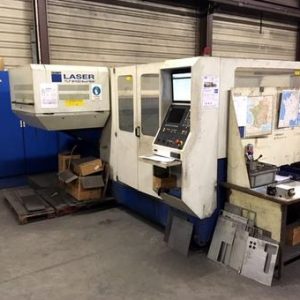
If you’re thinking of buying a used Trumpf 3030L / TruLaser 3030 / Trumatic L3030 (sheet-laser cutting machine), it’s a powerful piece of equipment—but also expensive to run, maintain, and set up. Making mistakes in assessing used condition can cost far more than you save buying second-hand. Below are professional tips, checks, red flags, and considerations tailored for the Trumpf 3030 family, to help you make a good choice.
Key Specifications & What to Know Beforehand
Here are typical specs you should know to use as a baseline in comparisons. Of course exact values depend on year, version (CO₂ / fiber / source type), accessories etc.:
| Parameter | Typical Range / Trumpf 3030L Spec |
|---|---|
| Working Area (X × Y) | ~ 3000 mm × 1500 mm (≈ 10′ × 5′) |
| Z-Axis Clearance (focus head travel) | ~ 115 mm for many used units |
| Max Sheet Thickness (Mild Steel) | ~ 20 mm in many versions |
| Max Thickness for Stainless / Aluminum | Stainless ~ 10-15 mm; Aluminum less, depending on power and gas setup |
| Laser Power (CO₂ or Fiber) | Used units often 2 kW, 3.2 kW, 4.0 kW CO₂; newer fiber versions up to 6 kW etc. |
| Control System | Siemens Sinumerik 840D, possibly older Bosch / Trumpf versions etc. |
Knowing what your production requires (material types, thicknesses, edge quality, speed) helps judge whether a given unit is suitable.
What to Inspect / Test: Physical, Mechanical, Optical & Controls
When evaluating a used 3030L, here’s a checklist (mechanicals, optics, controls etc.) to avoid nasty surprises.
1. Documentation & Machine History
- Service & maintenance records: frequency of mirror / lens changes, alignment checks, gas supply history, cutting head maintenance.
- Laser source history: how many hours “beam on”, how many hours ON vs idle; whether the resonator (or fiber source) has ever been overhauled.
- Accident or crash history: any collisions of the cutting head, damage to sheet table, racks or guides.
- Upgrades or modifications: e.g. newer cutting head, auto nozzle changer, gas mixing, height control sensors etc.
- Manuals, spare parts lists, alignment specs (from Trumpf) to know allowable tolerances.
2. Mechanical Condition: Motion, Structure, Table, Rails
- Gantry / beam straightness: check for sag or misalignment. Use straight-edges or laser alignment if possible.
- Rails / guideways: clean, smooth, no rust, wear, dents, pitting. Major wear here reduces precision.
- Drive motors, gears, belts: are they smooth, are encoders working well, any backlash?
- Table flatness: are sheet supports level; are rollers, material clamps ok; is there deformation?
- Loading system(s): if it has double pallets, lift-tables, sheet manipulators etc.—examine them too (wear, hydraulic / pneumatic systems).
3. Optics, Laser Source & Cutting Head
- Check condition of mirrors, lens(es): cleanliness, coating wear, damage. Mirror misalignment causes losses, defects.
- Cutting head: is the nozzle, focus lens, collimator in good condition; any damage; does the nozzle change system work (if fitted).
- Gas supply systems: Oxygen, Nitrogen, compressed air—look for leaks, pressure consistency, and whether the gas quality is / was adequate. Poor gas leads to bad edges.
- Cooling / Chiller systems: lasers generate a lot of heat; coolant flow and temperature must be stable. Check whether the chiller has been maintained, whether hoses are sound.
4. Controls, Electrical & Software
- CNC controller: version, firmware, spare parts availability, local servicing (for Siemens Sinumerik, or Trumpf’s own).
- Wiring, cabinets: any signs of moisture, dust, overheating, burnt components. Inspect power supplies, safety interlocks, emergency stops.
- Sensors: height control, material detection, nozzle sensors, beam alignment sensors etc. Are they functioning?
- Software / licensing: do you have full software, any modules missing? Are there updates available; are there backup copies; are settings records preserved?
5. Performance / Cutting Quality Tests
- Run test cuts on materials you will use: check edge quality (roughness, dross, bevel, kerf), cutting tolerances, hole quality (roundness), internal corners.
- Check repeatability: cut same design in different areas of the sheet; see if error changes over the table (thermal drift, gantry alignment).
- Thermal drift: run machine under typical production for a while and see if accuracy or cut quality changes as machine warms up.
- Speed vs quality trade-off: test at your needed speeds; sometimes older lasers may have lost performance.
6. Wear Items, Consumables & Parts
- Nozzles, lenses, mirrors are consumables—replace frequently, and cost adds up. How many are in stock, what lead times.
- Laser resonator (if CO₂) or fiber amplifier (if fiber): lifespan, availability, cost. If old and difficult to source, big risk.
- Gas flow regulators, hoses, filters, height sensors—these often degrade.
- Sheet support and clamp plates: if worn or damaged, sheets may warp or not be held flat, which ruins cut quality.
7. Logistics / Setup / Facility Requirements
- Physical footprint: length, width, height, and total weight. Many used 3030 machines weigh ~10-12+ tonnes. Floor load capacity, crane access, rigging plan are critical.
- Power supply: required voltage, phase, current draw; whether your site has that. Also stable power, clean grounding etc.
- Utilities: compressed air, oxygen/nitrogen, extraction / dust / fume handling, cooling water, heat removal. These may need upgrades.
- Environmental conditions: temperature & humidity; temperature swings cause alignment drift; dust or dirt can spoil optics.
Red Flags: When to Be Wary (and Possibly Walk Away)
Here are warning signs that the machine will cost you more than it appears:
- Laser source has very high “beam-on” hours, or vendor cannot provide reliable data on its lifespan or condition.
- Major wear or visible damage to optics (mirrors, lenses) or cutting head; no recent replacements.
- Table / gantry / motion parts with excessive play, backlash, or worn rails—and expensive to fix.
- Controller is obsolete/unmaintained or key spare parts unavailable locally.
- Gas system (O₂, N₂) or compressor / regulator units in poor condition or incorrectly sized.
- Cooling / chiller system in bad shape—if temperatures fluctuate or coolant is substandard, lens/mirror damage, reduced beam quality result.
- Inconsistent or poor cut quality: large kerf, rough edges, excessive dross, inconsistent piercing.
- Frequent past breakdowns, missing safety interlocks, missing maintenance history.
- Hidden costs looming: transportation & installation high, civil works (foundation, support), power upgrade etc.
Cost / Financial Considerations
- Total Cost of Ownership (TCO): purchase price + shipping + installation + utilities + consumables + repairs + calibration + downtime. A used Trumpf 3030L may look cheap, but optics / resonator / service parts can bite.
- Refurbishment budget: Ensure you reserve capital for replacing wearing parts soon after purchase. Even well-kept machines need fresh optics and parts.
- Spare parts & support: Availability of parts (local distributor or import) and expertise for repairs are critical. For example, CO₂ resonators, mirror coatings, cutting heads, lens holders etc.
- Resale potential: A machine with good documentation, low hours, supported controller / source is more likely to retain value. Obsolete or poorly maintained ones may lose value fast.
- Match machine to your production: If your batch sizes, sheet thicknesses, material types differ, a smaller or different spec machine might serve better; buying a larger one than needed can incur unneeded electricity, maintenance etc.
- Operating costs: gases, electricity, optics replacements, chiller/pump maintenance, filtration, labor for maintenance.
Specific Trumpf 3030L Questions to Ask / Inspect
When dealing with a Trumpf 3030L candidate, these specific questions and tests can uncover critical issues:
- **What is the “beam-on / laser active hours” vs simply the “machine on hours”? A laser may be powered up but shutter closed; “beam on” matters more for wear.
- What is the laser source type? (e.g. TLF Turbo / TruFlow etc.) What date / version; what life is left; whether parts/resonator are accessible.
- What cutting head version, what nozzle sizes, what focal lengths; is there a nozzle changer; condition of height sensors.
- Mirror alignment / mirror maintenance history: misalignment causes losses, bad cut, excess heating. Ask for data if possible.
- Gas usage record: how much oxygen, nitrogen, cutting gas was used; whether gas purity was maintained.
- Control version / firmware: Some older Trumpf or Siemens controls may have obsolete modules; for example, is the control fully IBM/PC module based or older analog/digital boards.
- Safety / compliance: Is it compliant with your country’s safety/electrical regulations (grounding, guarding, laser safety class, fume extraction)?
- What condition is the work table / sheet support: rollers or slats worn or damaged; any warping; clamps / hold-downs working.
- Cooling / water quality: Is water soft / deionized; is cooling unit up to spec; are there scale deposits, algae etc in chiller / coolant circuits.
- Is the machine visible “under power”? That is, can you see it cutting or at least operating; better than “just seen in photos or turned off” because many issues only show under load.
Buying Tip / Negotiation Strategies
- Ask to bring your own test sheet (of your normal thickness / materials) to do a cutting test. Measure the parts you cut.
- If possible get a warranty or guarantee on critical items: e.g. “laser power output at least X after installation / service for Y period” or “optics will be serviced / replaced within the first 100h after you start using.”
- Check for recent servicing by Trumpf or certified service partners. Units with recent full optics / resonator / mirror replacement / chiller overhaul command a premium but reduce risk.
- Compare with new or refurbished alternatives: sometimes the cost difference is little when adding refurbishment + downtime, so newer machines may make more sense.
- Use independent inspections or a specialist who knows Trumpf lasers to help you assess before you commit.