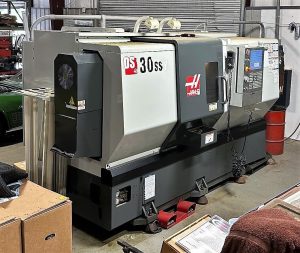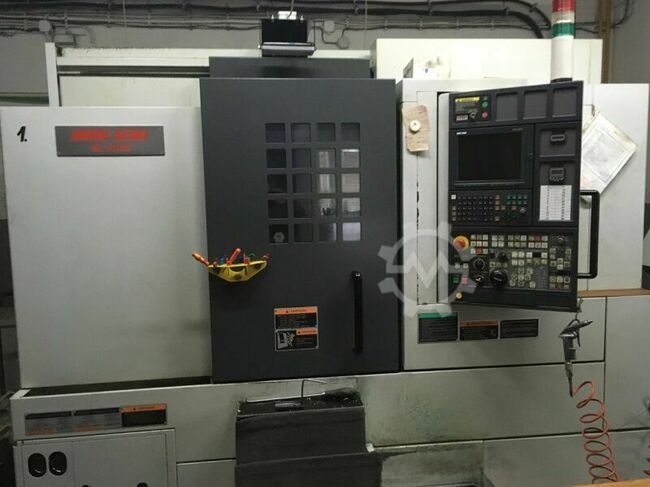
Avoid Costly Mistakes: Professional Tips for Purchasing a Pre-Owned / Second-Hand / used MORI SEIKI MS-NL 1500 SY/500?
Here are professional tips, based on what industry experts commonly recommend, to help you avoid costly mistakes when purchasing a used Mori Seiki NL-1500 SY/500 (or similar NL/SY-series multi-spindle / Y-axis / live-tool CNC lathes). I’ll also include specific things to check for that are known weak spots or high risk in this model.
Key Specifications / What to Know Up Front
Knowing what the machine should be helps you spot deviations or omissions. From listings and spec sheets:
- Max turning diameter ~ 256-386 mm; turning length ~ 515-590 mm.
- X-axis travel about 260 mm; Z-axis about 590 mm. Y-axis ≈ ±50 mm (so Y travel ~100 mm) on SY models.
- Spindle speed (main/sub) about 6,000 rpm.
- Spindle power typically ~ 15 kW main/sub when fully equipped. Live tooling also has specific power ratings.
- Number of tools in turret: 12-station (live tooling versions may have more or all positions “driven”)
- Bar work capacity thru spindle ~ 52 mm, depending on configuration.
These specs help you know what to expect for travel, capacity, tooling, throughput, etc.
What to Inspect / Test — Expert Checklist
These are specific things to look at (mechanical, performance, controls, etc.), plus red flags. Wherever possible, test under realistic load and cycles.
| System Component | What to Check | Why It Matters / Typical Problem Areas |
|---|---|---|
| Spindle(s) & Bearings | • Check spindle run-out (chuck/spindle nose) with a dial indicator (both main & sub). • Listen for unusual noise as spindle runs up to speed and under load. • Check oil seals, bearings for leaks / past overheating. • When machined, check surface finish for chatter marks — could indicate spindle or bearing problems. | Bearing failure or wear is expensive to repair and leads to loss of accuracy or increased vibration. Spindle issues may also affect throughput and surface finish. |
| Axis Linear Slides / Guideways (X, Z, Y) | • Inspect wear on guideways: scoring, rust, flatness. • Move axes manually (or via jog) and check for binding, backlash, stick-slip. • Check whether glass scales or other high-precision feedback are present & in good condition, especially if “glass scales on all axes” option. • For Y-axis in particular: ensure travel is smooth; Y-axes on lathes tend to be less robust, more susceptible to loads, misalignment or damage. | Worn guideways reduce accuracy, repeatability; may require regrinding / replacement, which is very expensive. Y-axis adds complexity and potential for wear. |
| Turret & Live Tooling | • Turret indexing accuracy and speed; check all positions, ensure no slop or delay. • Live tools: check their motors, speeds, torque; test with a load they’ll see. • Check collet / tool holding integrity, alignment of driven tools. • Ensure tool change mechanism works smoothly. • Check for overheating or wear in live tool spindles. | Live tooling failures are costly (motors, gears). If turret mis-indexes, you get poor part geometry or rejects. |
| Sub-Spindle / Counter Spindle | • Check alignment between main & sub spindles. • Check condition of sub-spindle bearings, run-out. • Ensure that the part transfer (if there is a transfer mechanism) is precise, not hitting or damaging parts / jaws. • Check chuck condition (jaws, wear) on sub-spindle. | Part accuracy depends on this. Misalignment causes dimensional errors. Chuck wear can degrade grip or concentricity. |
| Tool Holding / Settings / Fixtures | • Inspect chucks, collets, jaws: condition, flatness, wear. • Are there custom fixtures, workholding included; are they in good condition. • Check whether tool presetters, probes are present, calibrated. • Inspect chuck nose threads / surfaces for damage. | Tool holding quality directly affects precision, part quality, cycle time. Poor fixtures increase setup time and scrap. |
| Control System & Software | • What CNC control (MSX-850 / MSX-850 III / Fanuc / etc.) is installed; is it working properly (no errors, freezes). • Are all software licenses, modules present. • Check the interface, displays, keypads. • Is there error / warning history; have any faults been recurring. • Are updates available; how easy is service support. | Older controls can be difficult to maintain; missing modules or broken software cripple functionality. High downtime risk. |
| Electrical & Power Supply | • Check all wiring, cable harnesses especially in moving parts (turret, live tool cables, axis cable tracks). • Inspect the panel, ensure connections are solid, no burnt or discolored components. • Confirm supply voltage and phase requirements match yours; check for power stability history. • Cooling of motors (spindle, live tools) functioning well; fans, coolant, etc. | Electrical faults can be dangerous; power mismatch or instability causes many issues. Motor overheating or failure is expensive. |
| Coolant, Chip Conveyor, Cleanup Systems | • Check coolant tank condition (rust/wear/contamination), filters, pumps. • Inspect chip conveyor or chip removal system: effectiveness, wear. • Check guards / chip shields; see how chips/dirt has been managed (excessive build-up is bad). • Is there coolant flow to where it is needed; any leaks; analog controls or level sensing. | Poor chip management degrades machining, causes damage, safety hazards. Coolant leaks or poor filtration lead to wear and corrosion. |
| Alignment, Trueness & Accuracy Testing | • Check alignment over distances (e.g. turning test bars). • Test repeatability: e.g. program simple operations and see if parts are consistent. • Check flatness, roundness, concentricity of parts. • Use test indicators on work surfaces, turret face, spindle to detect drift. • Under loaded conditions especially for large/swinging parts. | What the spec says vs what you’ll get matters; deviations cost in scrap, rework, customer complaints. |
| Wear, Maintenance, and History | • Ask for maintenance records: spindle work, turret rebuilds, control software updates. • Look for signs of neglect: rust, dried grease, oil leaks, worn seals. • Hours/machine cycles: time alone is less important than how hard it’s been used. • Ask what parts have already been replaced (bearings, guides, live tool motors). • Was the machine used in harsh environment (e.g., with corrosive coolants, lots of chips, bad rinse)? | Prevent surprises in upcoming maintenance. Knowing what’s been changed gives insight into life remaining. |
| Installed Accessories, Tooling & Extras | • What tooling is included (chucks, collets, live tool holders, driven tools). • Any fixturing, probes, tool presetters. • Coolant systems, chip conveyors, guards. • Is there a bar feeder or automation that comes with it. • Are the parts / sub-components compatible or standard (e.g. spares locally available). | Sometimes the extras cost almost as much as gaps; missing tooling can delay production or force you to buy expensive originals. |
| Cosmetic & Structural Condition | • Examine machine frame and base for cracks, distortions. • Check for rust (on slides, screws, covers). • Inspect guards, doors, window panels for damage. • Check access panels: do they fit, latch cleanly, are they aligned. • Check paint and exterior condition — tells you about how it was treated (indoors/outdoors, cleanliness, etc.). | Cosmetic damage by itself is not always a deal breaker, but often correlates with poor maintenance. Structural damage can affect machine integrity. |
| Safety, Compliance, and Ergonomics | • Emergency stop and safety interlocks / interlocks for guards / doors — present and operational. • Proper guarding around live tooling, moving parts. • Exhaust / ducting for fumes / mist, if relevant. • Lighting, operator access, chip disposal handled safely. • Whether the machine meets local electrical / safety codes. | Safety failures can lead to regulatory delays, risk of injury, higher insurance costs, possible inability to use until remedied. Retrofitting can be expensive. |
Red Flags and Deal-Breakers for NL-1500 SY/500
These are items that often cause big trouble, or indicate the machine may not be worth the risk unless price is well reduced:
- Spindle bearing or run-out issues: If checking indicates excessive run-out or the spindle produces vibration at speed/load, that can be very costly to repair (bearing replacement etc.).
- Worn or damaged guideways/slides: Especially in X, Z, Y axes. If you see scoring, subsidence, uneven wear, rust pits — they may need grinding, re-scraping or replacement.
- Turret indexing or live tool motor failures: Sometimes turrets or live tool units are overstressed; motors or gearing may be worn, which degrades performance.
- Control obsolescence / components difficult to replace: If control modules, displays, feedback systems are obsolete or custom, sourcing parts may be hard and expensive.
- Missing or damaged tooling / fixtures: If essential tooling (chucks, collets, jaws, driven tools) is missing / damaged, you may have to invest heavily just to get it usable.
- Undefined or bad maintenance history: If seller cannot provide reliable maintenance records, or the machine has signs of neglect (oil leaks, dried grease, rust), assume wear and repair costs will be high.
- Environmental damage: Exposure to moisture, chip accumulation, coolant leaks, rust inside covers / critical parts = big risk.
- Misalignment between main and sub spindles: If the two are misaligned, you’ll get accuracy issues especially when using the sub spindle.
- Non-standard modifications done poorly: If someone has done modifications (e.g., aftermarket live tools, changed turrets, replaced parts with non-OEM) but not aligned or calibrated, you may inherit poor performance or compatibility issues.
Asking the Right Questions
When discussing with seller or evaluating from afar, these questions help reveal hidden risks or costs:
- What is the total operating time (in cycles or hours) under load?
- Are there detailed maintenance records (spindles, turrets, live tools, guideway/slides maintenance)?
- When were last major components serviced or replaced (bearings, live tool motors, chuck jaws)?
- What is the condition of the control system: any errors, required upgrades or patches?
- Are all tooling, collets, chucks, live tool holders, fixture kits, accessories included? Which items are missing or need replacement?
- What is the environment in which the machine has operated? (clean shop vs. heavy debris / smoky / dusty / coolant mist)
- Has the machine ever been damaged (e.g. crash, overcut, flood, electrical fault)?
- Can I see it run a test piece under realistic load (similar to what I will use)?
- Are there spare parts available locally or via supplier, and what lead times are they?
- What utilities are required (power, cooling, compressed air etc.), and are they compatible with what I have?
Total Cost of Ownership Considerations
Even if initial purchase looks good, don’t forget other costs:
- Transportation, rigging, installation: these machines are heavy, large; aligning and installing them properly costs money.
- Setup / calibration: after move, you’ll likely need alignment, calibration, possibly leveling, alignment of spindles etc.
- Maintenance / spare parts: consider cost of spare live tool motors, turrets, bearings etc.
- Downtime: if you have to repair/restore parts, there will be non-productive time.
- Tooling: chucks, live tools, workholding, fixture kits, measurement/probe equipment may not be included.
- Energy / utilities: older machines may be less efficient, higher power draw, more coolant usage.
- Resale / residual value: condition, remaining life, control condition will affect how easy it is to later sell or trade.
Possible “Good Deals” vs “Too Risky” Benchmarks
To help you assess whether a particular machine is a good buy or too risky, here are rough rules of thumb:
- Good deal: Reasonable price and includes lots of tooling / accessory package; minimal spindle or guideway wear; complete maintenance record; running under power; ready for production with limited minor work.
- Moderate deal: Some wear (guideways, turrets), missing small accessories, but price reflects that, and you have budget for refurbishment.
- Risky unless very cheap: Significant spindle run-out or bearing issues; control issues; many missing tooling pieces; poor maintenance history; environment damage. Unless price is extremely low and you have resources and time, these often cost more than anticipated.