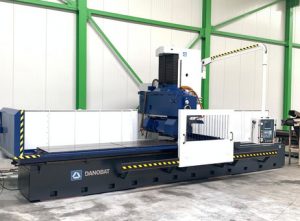
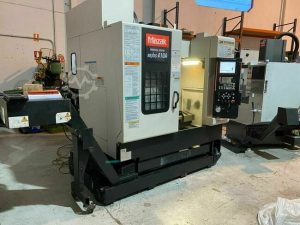
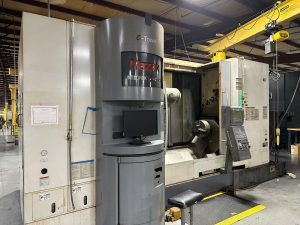
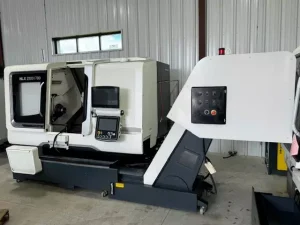
What should a company in the CNC Machine Tools sector pay attention to when choosing a distributor abroad?
Choosing the right distributor for CNC machine tools abroad is crucial for expanding market reach and ensuring the success of the brand in international markets. A distributor serves as the intermediary between the manufacturer and the end users, making it essential to select a partner who can effectively represent and sell the products. Here is a detailed exploration of the factors a company should consider when choosing a distributor abroad:
1. Market Knowledge and Experience
a. Industry Expertise
- Requirement: The distributor should have in-depth knowledge and experience in the CNC machine tools industry.
- Details: Assess the distributor’s familiarity with the CNC machine tools sector, including knowledge of market trends, key players, and customer needs. An experienced distributor will have a better understanding of the technical aspects of the products and can effectively communicate their benefits to potential customers.
b. Local Market Understanding
- Requirement: The distributor should have a strong understanding of the local market conditions and customer base.
- Details: Evaluate the distributor’s knowledge of local market dynamics, including economic conditions, industry regulations, and competitive landscape. A distributor with local market expertise can provide valuable insights into customer preferences and market opportunities.
2. Reputation and Credibility
a. Track Record
- Requirement: The distributor should have a proven track record of success in the industry.
- Details: Investigate the distributor’s history and performance in representing similar products. Look for evidence of successful partnerships, customer satisfaction, and sales achievements. A reputable distributor will have a history of reliable performance and positive relationships with both manufacturers and customers.
b. References and Reviews
- Requirement: Obtain references and reviews from other manufacturers and customers.
- Details: Request references from other companies that have worked with the distributor. Contact these references to gather feedback on the distributor’s performance, reliability, and professionalism. Additionally, look for online reviews and testimonials to gauge the distributor’s reputation in the market.
3. Sales and Marketing Capabilities
a. Sales Network
- Requirement: The distributor should have a well-established sales network and reach.
- Details: Evaluate the size and scope of the distributor’s sales network. A strong sales network can help ensure wide coverage and access to potential customers. Look for distributors with a presence in key regions and a network of sales representatives who can effectively promote and sell the products.
b. Marketing Strategy
- Requirement: The distributor should have effective marketing strategies and capabilities.
- Details: Assess the distributor’s marketing expertise and strategies for promoting CNC machine tools. Look for evidence of successful marketing campaigns, trade show participation, digital marketing efforts, and promotional activities. A distributor with strong marketing capabilities can help increase brand visibility and drive sales.
4. Technical Expertise and Support
a. Technical Knowledge
- Requirement: The distributor should have strong technical knowledge and expertise in CNC machine tools.
- Details: Evaluate the distributor’s technical proficiency, including their ability to understand and explain the technical aspects of the products. A distributor with technical expertise can provide valuable support to customers, including product demonstrations, technical consultations, and troubleshooting.
b. After-Sales Support
- Requirement: The distributor should offer comprehensive after-sales support services.
- Details: Assess the distributor’s ability to provide after-sales support, including installation, maintenance, repair, and spare parts supply. Look for distributors with a dedicated technical support team and a track record of responsive and reliable after-sales service. Strong after-sales support is crucial for customer satisfaction and long-term relationships.
5. Financial Stability
a. Financial Health
- Requirement: The distributor should have a stable financial position and the ability to invest in promoting and supporting the products.
- Details: Evaluate the distributor’s financial health by reviewing their financial statements, credit ratings, and business history. A financially stable distributor is more likely to invest in marketing, inventory, and customer support, ensuring the successful representation of the products.
6. Cultural Fit and Alignment
a. Company Culture
- Requirement: The distributor’s company culture should align with the manufacturer’s values and business practices.
- Details: Assess the distributor’s organizational culture, including their approach to customer service, business ethics, and corporate values. A distributor with a similar culture and business philosophy will be a better partner, ensuring smooth collaboration and alignment of goals.
b. Communication and Collaboration
- Requirement: The distributor should have strong communication skills and a collaborative approach.
- Details: Evaluate the distributor’s communication capabilities, including their responsiveness, transparency, and willingness to collaborate. Effective communication and collaboration are essential for building a strong partnership and addressing any challenges that may arise.
7. Contractual and Legal Considerations
a. Contract Terms
- Requirement: Negotiate clear and favorable contract terms with the distributor.
- Details: Ensure that the distribution agreement includes clear terms and conditions, including sales targets, pricing, payment terms, and exclusivity clauses. Clearly define the roles and responsibilities of both parties to avoid misunderstandings and conflicts.
b. Legal Compliance
- Requirement: Ensure that the distributor complies with local laws and regulations.
- Details: Verify that the distributor adheres to all relevant legal and regulatory requirements in their region. This includes compliance with trade regulations, import/export laws, and industry standards. Legal compliance is crucial for avoiding potential legal issues and ensuring smooth operations.
8. Logistics and Inventory Management
a. Inventory Management
- Requirement: The distributor should have effective inventory management capabilities.
- Details: Assess the distributor’s ability to manage inventory, including storage, handling, and distribution. Look for distributors with efficient inventory management systems and processes to ensure timely delivery and minimize stockouts.
b. Logistics Capabilities
- Requirement: The distributor should have strong logistics and distribution capabilities.
- Details: Evaluate the distributor’s logistics infrastructure, including their warehousing, transportation, and delivery capabilities. Efficient logistics are essential for ensuring that products reach customers on time and in good condition.
9. Market Expansion and Scalability
a. Growth Potential
- Requirement: The distributor should have the potential for market expansion and scalability.
- Details: Assess the distributor’s ability to grow and scale their operations. Look for evidence of past growth, strategic expansion plans, and the ability to adapt to changing market conditions. A distributor with growth potential can help the manufacturer expand their market presence and reach new customers.
b. Market Insights
- Requirement: The distributor should provide valuable market insights and feedback.
- Details: Evaluate the distributor’s ability to gather and share market intelligence, including customer feedback, competitive analysis, and market trends. This information can help the manufacturer make informed decisions and adapt their strategies to meet market demands.
10. Training and Development
a. Training Programs
- Requirement: The distributor should invest in training and development for their sales and technical teams.
- Details: Assess the distributor’s commitment to training and development, including their participation in manufacturer-led training programs and their own internal training initiatives. Well-trained teams are better equipped to promote and support the products effectively.
b. Knowledge Sharing
- Requirement: The distributor should have a culture of knowledge sharing and continuous improvement.
- Details: Evaluate the distributor’s approach to knowledge sharing and continuous learning. Look for evidence of regular training sessions, knowledge sharing forums, and a commitment to staying updated on industry developments and product advancements.
Conclusion
Choosing the right distributor for CNC machine tools abroad involves a thorough evaluation of various factors, including market knowledge, reputation, sales and marketing capabilities, technical expertise, financial stability, cultural fit, legal compliance, logistics, scalability, and training. By carefully assessing potential distributors against these criteria, a company can select a partner who will effectively represent their brand, drive sales, and provide excellent customer support in the international market. This strategic decision is crucial for the long-term success and growth of the manufacturer’s global operations.