What is the contribution of CNC machine tools Machinery production to the German economy?
CNC machine tools and machinery production play a significant and multifaceted role in the German economy, contributing extensively through direct economic impact, support for other industries, technological innovation, employment, and global trade. Here’s a detailed exploration of this contribution:
Economic Impact
- Revenue Generation:
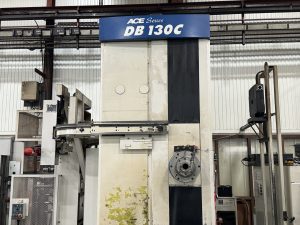
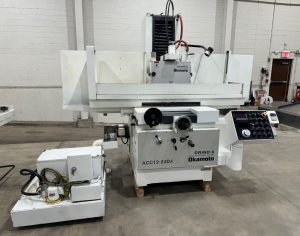
- The CNC machine tool industry in Germany is a major contributor to the national economy. The country is home to some of the world’s leading manufacturers of CNC machinery, such as DMG MORI, TRUMPF, and Heller. These companies generate substantial revenue, contributing billions of euros annually to the economy.
- GDP Contribution:
- The machinery and equipment sector, which includes CNC machine tools, is a crucial part of Germany’s industrial landscape. It is one of the largest sectors of the German economy, significantly contributing to the Gross Domestic Product (GDP).
Support for Other Industries
- Manufacturing Sector Backbone:
- CNC machine tools are fundamental to the manufacturing sector, enabling precision and efficiency in the production of parts and components for various industries, including automotive, aerospace, medical devices, electronics, and heavy machinery.
- Automotive Industry:
- Germany’s renowned automotive industry relies heavily on CNC machining for the production of high-precision components such as engine parts, transmission systems, and structural components. This dependence enhances the overall quality and competitiveness of German automotive products.
- Aerospace and Defense:
- In aerospace and defense, CNC machines are indispensable for producing parts that meet stringent safety and performance standards. The precision and reliability of CNC machining contribute to Germany’s strong position in the global aerospace market.
Technological Innovation
- Advancements in Automation:
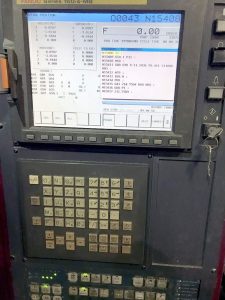
- German companies are at the forefront of technological advancements in CNC machining, integrating automation, robotics, and Industry 4.0 principles. This innovation drives productivity and quality, ensuring that Germany remains a leader in advanced manufacturing technologies.
- Research and Development (R&D):
- Significant investment in R&D by both private companies and public institutions fosters continuous innovation in CNC technology. This includes developments in software, materials, and machining processes that keep German products competitive on the global stage.
Employment and Skills Development
- Job Creation:
- The CNC machine tool industry provides employment to thousands of skilled workers in Germany. This includes roles in design, engineering, production, sales, and support services, contributing to overall economic stability and growth.
- Skill Enhancement:
- Germany’s dual education system, which combines vocational training with academic education, ensures a steady supply of highly skilled technicians and engineers. Specialized training programs in CNC machining help maintain a skilled workforce capable of operating and innovating with advanced machinery.
Global Trade and Export Strength
- Export Leader:
- Germany is one of the world’s leading exporters of CNC machine tools. High-quality German machinery is in demand globally, and exports contribute significantly to the trade balance. Key markets include China, the United States, and European Union countries.
- Brand Reputation:
- The “Made in Germany” label is synonymous with quality, precision, and reliability in the CNC machine tool industry. This strong reputation supports robust export sales and reinforces Germany’s position as a global manufacturing powerhouse.
Contributions to Small and Medium Enterprises (SMEs)
- SME Support:
- Many German SMEs specialize in CNC machining, contributing to the supply chain of larger manufacturers. These SMEs play a critical role in the economy, fostering innovation, and providing flexibility and specialized services that larger companies might not offer.
- Cluster Development:
- Regions like Baden-Württemberg and Bavaria have developed clusters of high-tech manufacturing firms, including CNC machine tool producers. These clusters create synergies, promote innovation, and enhance competitiveness through shared resources and collaboration.
Environmental and Sustainability Impact
- Energy Efficiency:
- German CNC machine tool manufacturers are leaders in developing energy-efficient machinery, contributing to sustainable manufacturing practices. Innovations in reducing energy consumption and minimizing waste align with Germany’s strong environmental policies.
- Sustainable Practices:
- The industry’s focus on sustainability includes efforts to recycle materials, reduce emissions, and implement green manufacturing processes. These practices not only benefit the environment but also appeal to environmentally conscious consumers and businesses worldwide.
Policy and Government Support
- Government Initiatives:
- The German government supports the CNC machine tool industry through various initiatives, including subsidies for R&D, tax incentives, and programs to promote exports. These policies help maintain the industry’s competitiveness and innovation capacity.
- Industry Associations:
- Associations such as the German Machine Tool Builders’ Association (VDW) provide support through advocacy, networking opportunities, and the promotion of industry standards. These associations play a crucial role in shaping policy and promoting the interests of the industry.
Education and Research Institutions
- Collaboration with Universities:
- Strong collaboration between industry and academic institutions in Germany fosters innovation and technological advancements in CNC machining. Universities and technical institutes offer specialized programs and conduct research that directly benefits the industry.
- Innovation Hubs:
- Innovation hubs and technology parks across Germany provide a platform for startups and established companies to collaborate on new technologies and business models, driving forward the capabilities of CNC machinery.
Conclusion
The CNC machine tool industry is integral to Germany’s economic fabric, driving significant contributions through revenue generation, employment, technological innovation, and global trade. Its impact is felt across various sectors, from automotive to aerospace, enhancing the overall competitiveness of German manufacturing. Through continuous investment in R&D, strong government support, and a robust education system, Germany maintains its leadership in CNC machining technology, ensuring sustained economic growth and global influence in high-precision manufacturing.