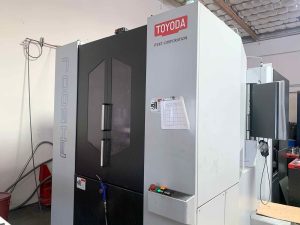
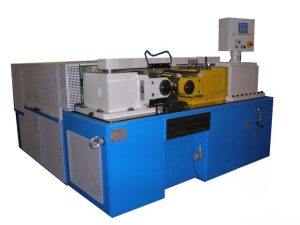
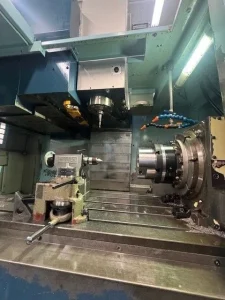
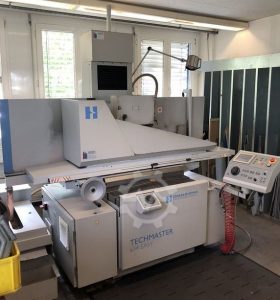
What is Sheet Metal Plate Straightening System?
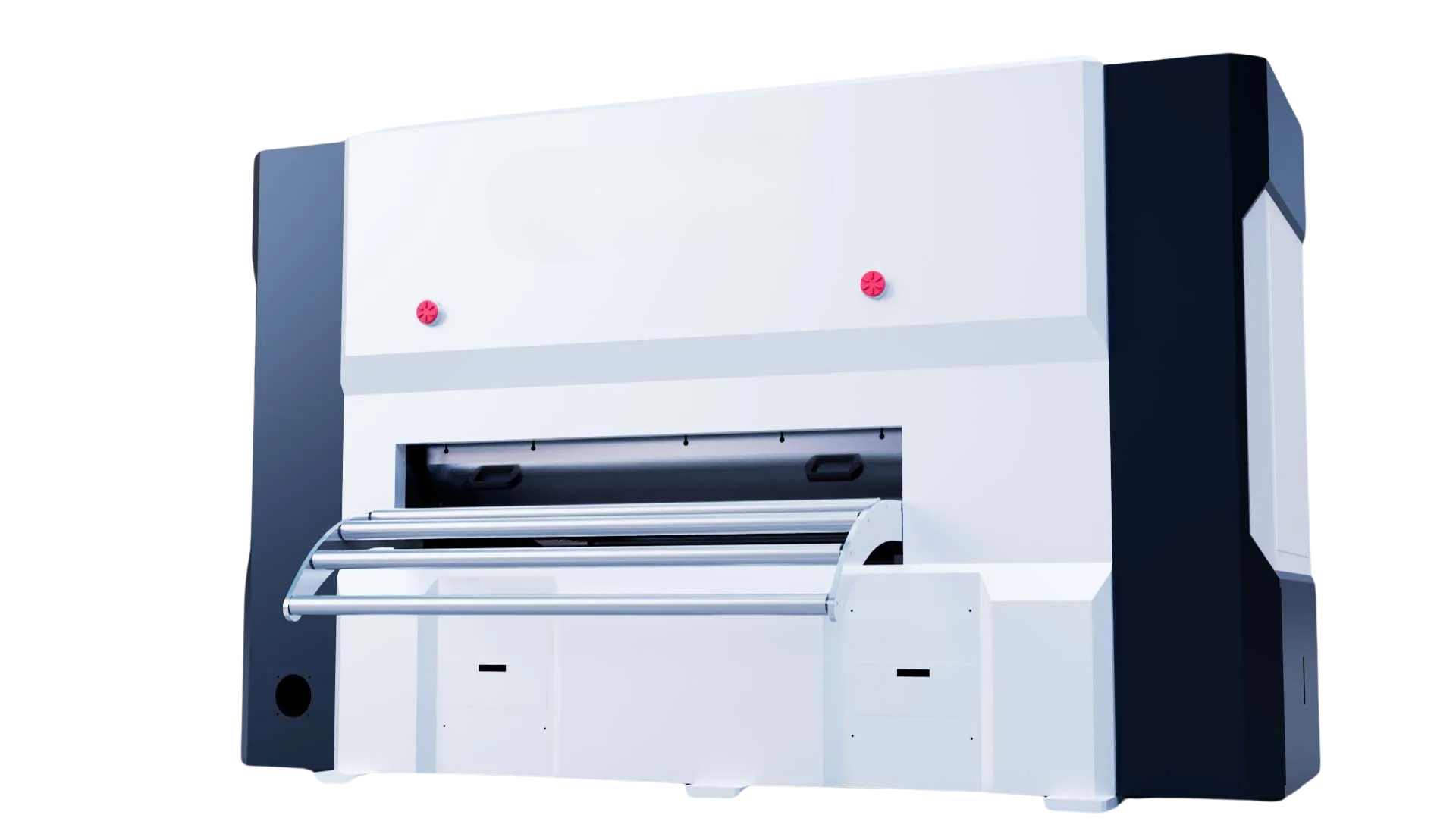
A sheet metal straightening system is a specialized set of equipment, tools, or processes used in the sheet metal industry to correct deformations, such as bends, warps, dents, or distortions, in sheet metal components. These deformations often occur during manufacturing processes like stamping, forming, welding, or cutting, or due to material stresses, thermal effects, or mishandling. The goal of a straightening system is to restore the sheet metal to its intended shape, flatness, or dimensional accuracy while maintaining its structural integrity and surface quality.Below is a technical explanation of sheet metal straightening systems, tailored for the sheet metal sector:
1. Purpose and ImportanceSheet metal straightening systems are critical in industries such as automotive, aerospace, construction, and appliance manufacturing, where precision and surface quality are paramount. Deformed sheet metal can lead to issues like:
- Dimensional inaccuracies affecting assembly.
- Aesthetic defects in visible parts.
- Compromised mechanical properties due to residual stresses.
- Failure to meet tolerances in downstream processes like coating or welding.
Straightening systems ensure that parts meet strict tolerances (e.g., ±0.1 mm for flatness in some applications) and quality standards, reducing scrap rates and improving production efficiency.
2. Types of Sheet Metal Straightening SystemsStraightening systems vary based on the type of deformation, material properties (e.g., steel, aluminum, titanium), sheet thickness, and production requirements. The main types include:a. Manual Straightening
- Description: Skilled technicians use hand tools (e.g., hammers, dollies, or mallets) or simple fixtures to correct minor deformations like dents or localized warps.
- Process: The operator applies controlled force to plastically deform the metal back to its original shape, often using heat (e.g., torch) to relieve stresses in materials like aluminum.
- Applications: Small-scale repairs, prototyping, or low-volume production.
- Limitations: Labor-intensive, inconsistent results, and unsuitable for high-precision or large-scale production.
b. Mechanical Straightening (Roll Straightening)
- Description: A roll straightening machine uses a series of rollers to progressively bend the sheet metal in a controlled manner, reducing internal stresses and flattening the material.
- Process:
- The sheet passes through a set of adjustable rollers arranged in a zigzag or offset pattern.
- Rollers apply controlled pressure to flex the sheet beyond its yield point, redistributing residual stresses.
- Roller spacing, diameter, and pressure are adjusted based on material thickness (typically 0.5–10 mm) and properties (e.g., yield strength of 200–1000 MPa for steel).
- Modern machines use CNC controls for precision, achieving flatness tolerances as low as 0.05 mm/m.
- Applications: Coil processing, continuous sheet metal production, and leveling of large panels.
- Advantages: High throughput, consistent results, suitable for automated lines.
- Limitations: Less effective for complex 3D deformations or localized dents.
c. Hydraulic or Press Straightening
- Description: Hydraulic presses or specialized straightening presses apply localized or uniform pressure to correct deformations.
- Process:
- The sheet is placed on a flatbed or fixture, and a hydraulic ram or die applies force to specific areas.
- Force is calculated based on material yield strength (e.g., 250 MPa for mild steel) and deformation extent.
- Sensors and feedback systems (e.g., laser measurement) ensure precise force application to avoid over-straightening.
- Applications: Heavy-gauge sheets (e.g., >10 mm), structural components, or large panels in shipbuilding or aerospace.
- Advantages: High precision, suitable for thick or high-strength materials.
- Limitations: Slower than roll straightening, higher setup costs.
d. Thermal Straightening (Heat Straightening)
- Description: Controlled heating and cooling are used to relieve internal stresses and correct distortions, often in combination with mechanical methods.
- Process:
- Localized heating (e.g., 600–800°C for steel) is applied using a torch or induction system to expand the deformed area.
- As the heated area cools, it contracts, pulling the sheet back into shape.
- Mechanical constraints (e.g., clamps) guide the straightening process.
- Temperature control is critical to avoid altering material properties (e.g., hardness or ductility).
- Applications: Weld-induced distortions, large structural components, or materials sensitive to mechanical stress.
- Advantages: Effective for complex distortions, minimal mechanical damage.
- Limitations: Requires skilled operators, risk of metallurgical changes (e.g., grain growth in aluminum).
e. Automated/Laser-Based Straightening
- Description: Advanced systems use laser scanning, robotic arms, or CNC-controlled presses for precision straightening.
- Process:
- Laser scanners or CMM (Coordinate Measuring Machines) map the sheet’s surface to identify deformations (e.g., deviations >0.1 mm).
- Algorithms calculate the optimal force and location for correction.
- Robotic arms or CNC presses apply targeted pressure or heat.
- Applications: High-precision industries (e.g., aerospace, electronics), complex geometries.
- Advantages: High accuracy, repeatability, integration with Industry 4.0 systems.
- Limitations: High initial investment, complex setup.
3. Key Technical Considerations
- Material Properties: The straightening method depends on the material’s yield strength, ductility, and thickness. For example, high-strength steels (e.g., DP590, 590 MPa yield) require higher forces than low-carbon steels (e.g., 200 MPa yield).
- Residual Stresses: Straightening must balance stress redistribution to avoid cracking or spring-back (elastic recovery). Finite Element Analysis (FEA) is often used to model stress states.
- Surface Quality: Methods like roll straightening must avoid surface scratches, especially for pre-coated or aesthetic sheets (e.g., automotive body panels).
- Tolerances: Industries like aerospace demand flatness tolerances as tight as 0.01 mm/m, requiring advanced systems like laser-based straightening.
- Automation: Modern systems integrate with PLCs (Programmable Logic Controllers) and IoT for real-time monitoring and quality control.
4. Equipment and Components
- Roll Straighteners: Multi-roll machines (e.g., 7–21 rollers) with adjustable gaps, driven by servo motors for precision.
- Hydraulic Presses: Typically 50–5000 kN capacity, with digital load cells for force control.
- Laser Scanners: Non-contact systems for measuring flatness (e.g., Keyence LK-G series, accuracy ±0.01 mm).
- Control Systems: CNC or PLC-based systems for automated adjustments, often with HMI (Human-Machine Interface) for operator input.
- Fixtures and Dies: Custom-designed to match the sheet’s geometry and deformation pattern.
5. Applications in the Sheet Metal Sector
- Automotive: Straightening body panels, hoods, or doors to meet aesthetic and dimensional standards.
- Aerospace: Leveling titanium or aluminum sheets for aircraft skins, ensuring aerodynamic performance.
- Construction: Correcting distortions in structural steel plates for bridges or buildings.
- Electronics: Flattening thin sheets (e.g., 0.2–1 mm) for enclosures or battery casings.
6. Challenges and Limitations
- Material Damage: Over-straightening can cause micro-cracks or work hardening, reducing fatigue life.
- Complex Geometries: 3D shapes or deep-drawn parts are harder to straighten without custom fixtures.
- Cost: Automated systems (e.g., laser or CNC-based) have high capital costs, limiting adoption in smaller workshops.
- Operator Skill: Manual and thermal methods require expertise to avoid inconsistent results or material degradation.
7. Recent Advancements
- AI and Machine Learning: Predictive models optimize roller or press settings based on material and deformation data.
- Industry 4.0 Integration: Real-time feedback from sensors and IoT enables adaptive straightening in automated lines.
- Hybrid Systems: Combining thermal and mechanical methods for complex distortions, improving efficiency.
- Non-Contact Methods: Emerging techniques like magnetic pulse straightening for thin, delicate sheets.
Conclusion Sheet metal straightening systems are essential for ensuring quality and precision in the sheet metal industry. The choice of system—manual, mechanical, hydraulic, thermal, or automated—depends on factors like material type, deformation complexity, and production scale. Advanced systems leverage automation, AI, and precision measurement to achieve tight tolerances (e.g., 0.01–0.1 mm flatness) while minimizing material damage. For high-volume or high-precision applications, investing in automated roll or laser-based systems is increasingly common, though manual and thermal methods remain relevant for specialized tasks.