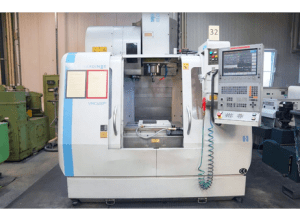
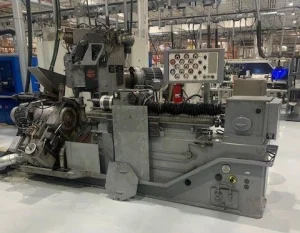
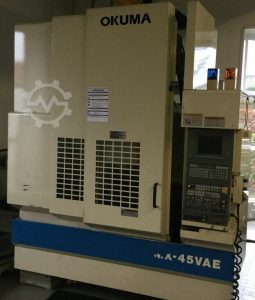
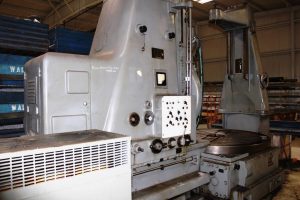
What is CNC Gear Measuring Machine for Spur and Helical Gears, Rotors, Bevel Gears, Gear Tools, Shafts?
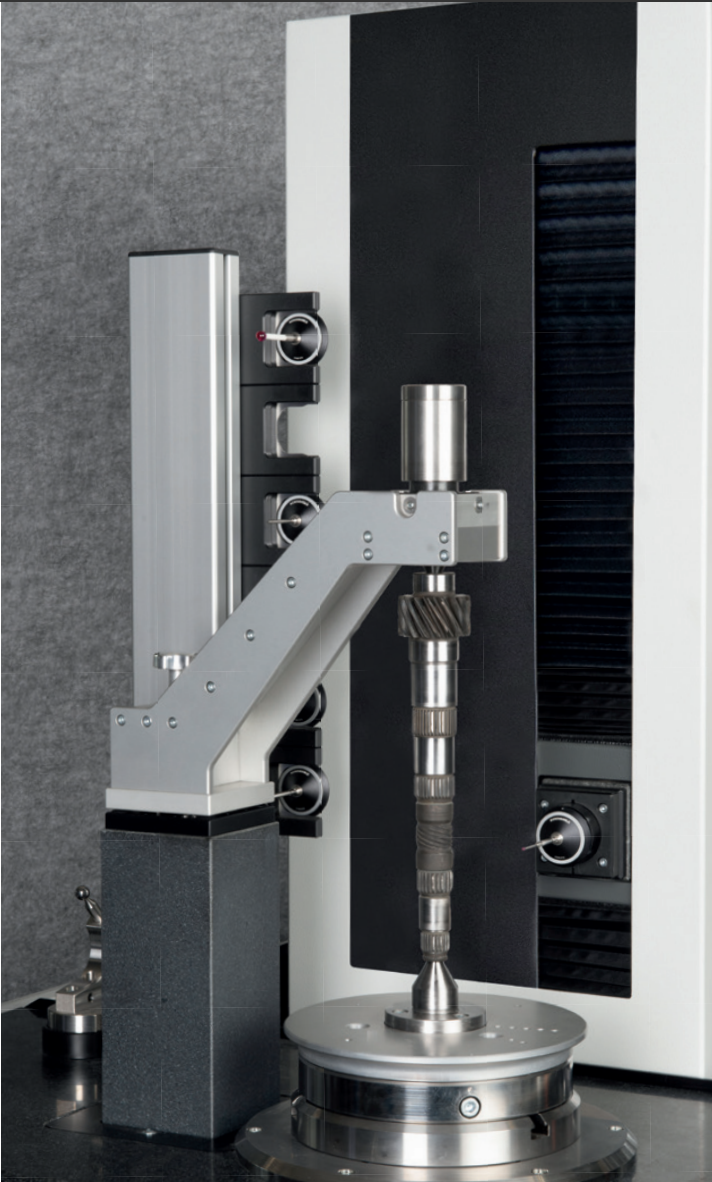
CNC Gear Measuring Machine for Spur and Helical Gears, Rotors, Bevel Gears, Gear Tools, and Shafts: Technical Explanation
A CNC Gear Measuring Machine is a high-precision coordinate measuring system designed to inspect and analyze various types of gears, rotors, and shafts. It ensures the quality, accuracy, and conformity of manufactured gears to industry standards such as AGMA, DIN, ISO, and JIS.
This machine is an essential tool in industries like automotive, aerospace, energy, and precision manufacturing, where gears must meet tight tolerances for proper function.
Technical Breakdown
1. Measuring Principles
A CNC Gear Measuring Machine typically operates using:
- 4-axis or 5-axis CNC control for automated measurement.
- High-precision probe systems (contact or optical) to scan gear profiles and tooth surfaces.
- Rotary table with high accuracy encoders for precise angular positioning.
- CMM (Coordinate Measuring Machine) technology, integrating linear and rotary axes for comprehensive measurement.
2. Key Measurement Capabilities
The machine can inspect a wide range of geometrical and functional parameters of gears and shafts, such as:
A. Spur and Helical Gears
- Profile Deviation: Checks the shape of the gear tooth along its height.
- Lead Deviation: Analyzes the tooth form along the gear face width.
- Pitch and Index Error: Measures the uniformity of teeth spacing.
- Runout Measurement: Ensures gear rotation symmetry.
- Base Circle and Involute Analysis: Verifies the gear tooth involute shape, crucial for smooth meshing.
B. Rotors
- Helical or Scroll Profile Measurement: Ensures proper compressor and pump rotor functionality.
- Tip and Root Radius Inspection: Validates wear resistance and meshing performance.
- Helix Angle Accuracy: Ensures proper interlocking with other rotor elements.
C. Bevel Gears
- Gleason or Klingelnberg Gear Analysis: Determines flank form deviation.
- Pinion-to-Gear Contact Simulation: Predicts real-world gear meshing performance.
- Spiral Angle and Tooth Thickness Measurement: Ensures compatibility with mating gears.
D. Gear Cutting Tools
- Hobs, Shaper Cutters, and Broaches Inspection: Measures tool wear and cutting accuracy.
- Flank and Tip Radius Analysis: Checks the cutting edge shape.
- Lead and Profile Tolerance Check: Ensures gear-cutting tools remain within design specs.
E. Shafts
- Cylindricity and Concentricity Measurement: Checks alignment of bearing surfaces.
- Spline Profile Analysis: Ensures proper coupling with mating components.
- Straightness and Roundness Inspection: Prevents mechanical vibrations and wear.
3. Measurement Technology
A. Probe Types
- Tactile Probes (Contact Probes)
- Uses precision styli to physically touch and measure surfaces.
- Provides high accuracy in measuring tooth form, lead, and profile errors.
- Example: Renishaw SP25 or Carl Zeiss scanning probes.
- Non-Contact Optical Probes
- Uses lasers or structured light scanning for faster measurement.
- Ideal for soft materials or delicate gear geometries.
- Example: GOM Optical Scanning or Alicona focus variation probes.
B. CNC Motion Control
- Uses linear motors and high-resolution rotary encoders to move the probe with nanometer precision.
- Can support automated part loading and measurement sequencing.
C. Software and Data Analysis
- CAD Model Comparison: Compares real gear measurements with the designed 3D model.
- Real-Time Error Mapping: Provides deviation reports and tolerance checks.
- Automatic Correction Feedback: Communicates with CNC gear-cutting machines to adjust tool offsets.
4. Advantages of CNC Gear Measuring Machines
✅ High Precision: Measurement resolution down to sub-micron (µm) levels.
✅ Non-Destructive Testing (NDT): Does not damage the component.
✅ Automated Inspection: Reduces human error and speeds up quality control.
✅ Compliance with International Standards: Ensures compatibility with ISO, AGMA, DIN, and JIS gear standards.
✅ Versatility: Can measure different gear types (spur, helical, bevel, worms, rotors, splines).
5. Applications
- Automotive Industry: Ensuring high-precision transmission gears.
- Aerospace: Checking turbine engine gear tolerances.
- Wind Energy: Measuring large wind turbine gearboxes.
- Heavy Machinery: Inspecting mining and construction equipment gears.
- Medical Equipment: Ensuring micro-gear accuracy in robotic surgery tools.
Conclusion
A CNC Gear Measuring Machine is an advanced metrology system designed for high-accuracy measurement of gears, shafts, and gear-cutting tools. It uses precision probes, rotary encoders, and sophisticated software to analyze gear geometry, surface deviations, and functional tolerances. This ensures flawless performance, reduced wear, and compliance with industry standards.