What is CNC Flat Bed BIG BORE Lathe?
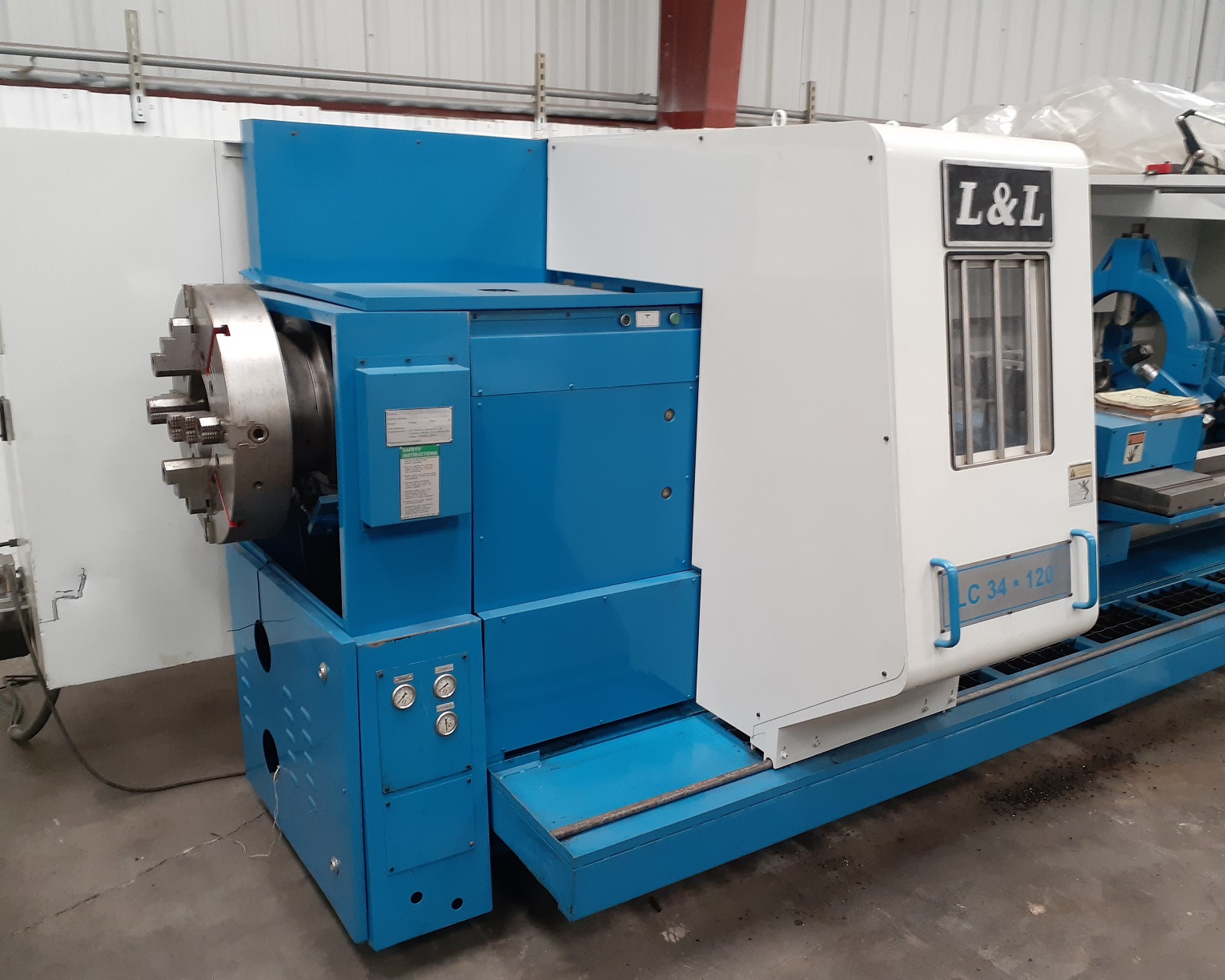
CNC Flat Bed BIG BORE Lathe: Technical Explanation
A CNC Flat Bed Big Bore Lathe is a specialized computer numerically controlled (CNC) turning machine designed for machining large-diameter workpieces, typically used in industries such as oil and gas, aerospace, and heavy machinery manufacturing.
1. Key Features of a CNC Flat Bed Big Bore Lathe
- Flat Bed Construction
- Unlike a slant bed lathe, a flat bed lathe has a horizontal bed structure, offering greater rigidity and stability for heavy-duty cutting operations.
- The linear motion of the carriage, tailstock, and tool turret occurs on precision-ground guideways.
- Big Bore Spindle
- The term “Big Bore” refers to the larger spindle bore diameter, which allows for machining large-diameter pipes, bars, and hollow workpieces.
- Common spindle bore sizes range from 6 inches to 30 inches or more, allowing the passage of thick workpieces.
- Spindle bore is critical for oil and gas industry applications, where pipes and casing materials are frequently processed.
- Heavy-Duty Spindle & Chucking System
- High-torque spindle motors provide stability during large-diameter and heavy workpiece machining.
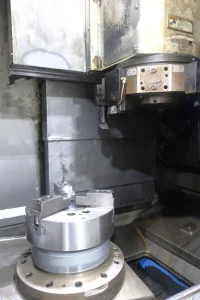
- Equipped with large-diameter chucks (manual or hydraulic), enabling secure gripping of large and heavy materials.
- High-Powered Headstock
- The headstock houses geared transmissions or servo-driven spindles for heavy-duty cutting.
- Some models feature multi-range gearboxes, allowing for high torque at low RPMs, making them ideal for deep hole boring and threading.
- Turret & Tooling System
- Typically, a servo-driven tool turret is used to provide fast tool changes.
- Supports turning, threading, boring, and grooving tools.
- May include a Boring Bar Holder for deep hole boring applications.
- Tailstock & Steady Rests
- For long workpieces, a programmable tailstock (hydraulic or servo-driven) provides additional support.
- Steady rests are used to stabilize long shafts or pipes, ensuring vibration-free machining.
- CNC Control System
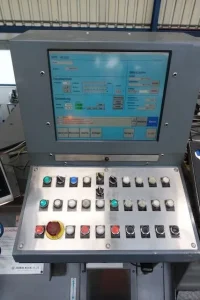
- Uses industry-standard CNC controllers like Fanuc, Siemens, or Mitsubishi.
- Supports G-code programming, graphical interfaces, and conversational programming.
- Can integrate with CAD/CAM software for advanced part programming.
2. Applications of CNC Flat Bed Big Bore Lathes
- Oil & Gas Industry: Machining of drill pipes, casing, couplings, and valve components.
- Heavy Machinery: Large shafts, rollers, and custom cylindrical parts.
- Aerospace: Large landing gear components, engine casings.
- Shipbuilding & Marine: Propeller shafts, heavy-duty couplings.
3. Advantages of CNC Flat Bed Big Bore Lathes
✅ Capable of handling large, heavy workpieces
✅ High torque and power for deep cutting operations
✅ Rigid structure minimizes vibrations and increases accuracy
✅ Flexible tooling options for multiple turning operations
✅ Increased spindle bore size allows larger material pass-through
4. Considerations When Choosing a CNC Flat Bed Big Bore Lathe
- Spindle Bore Size (Determines the max material diameter that can pass through)
- Chuck Size & Type (Manual, Hydraulic, or Pneumatic)
- Tailstock & Steady Rest Availability (Essential for long workpieces)
- Tooling Compatibility (Turret configuration, boring bars, etc.)
- Control System (Fanuc, Siemens, Mitsubishi)
- Bed Length & Swing Over Bed (Defines workpiece size capability)
Conclusion
A CNC Flat Bed Big Bore Lathe is an essential machine tool for industries requiring the machining of large-diameter, heavy-duty cylindrical workpieces. Its flat bed design offers stability, while the large spindle bore allows for machining large pipes, shafts, and tubes efficiently. Equipped with high-power spindles, programmable tool turrets, and advanced CNC controls, this type of lathe ensures precision, efficiency, and high productivity in various industrial applications