07/02/2025
What is Cabinet Door Machine?
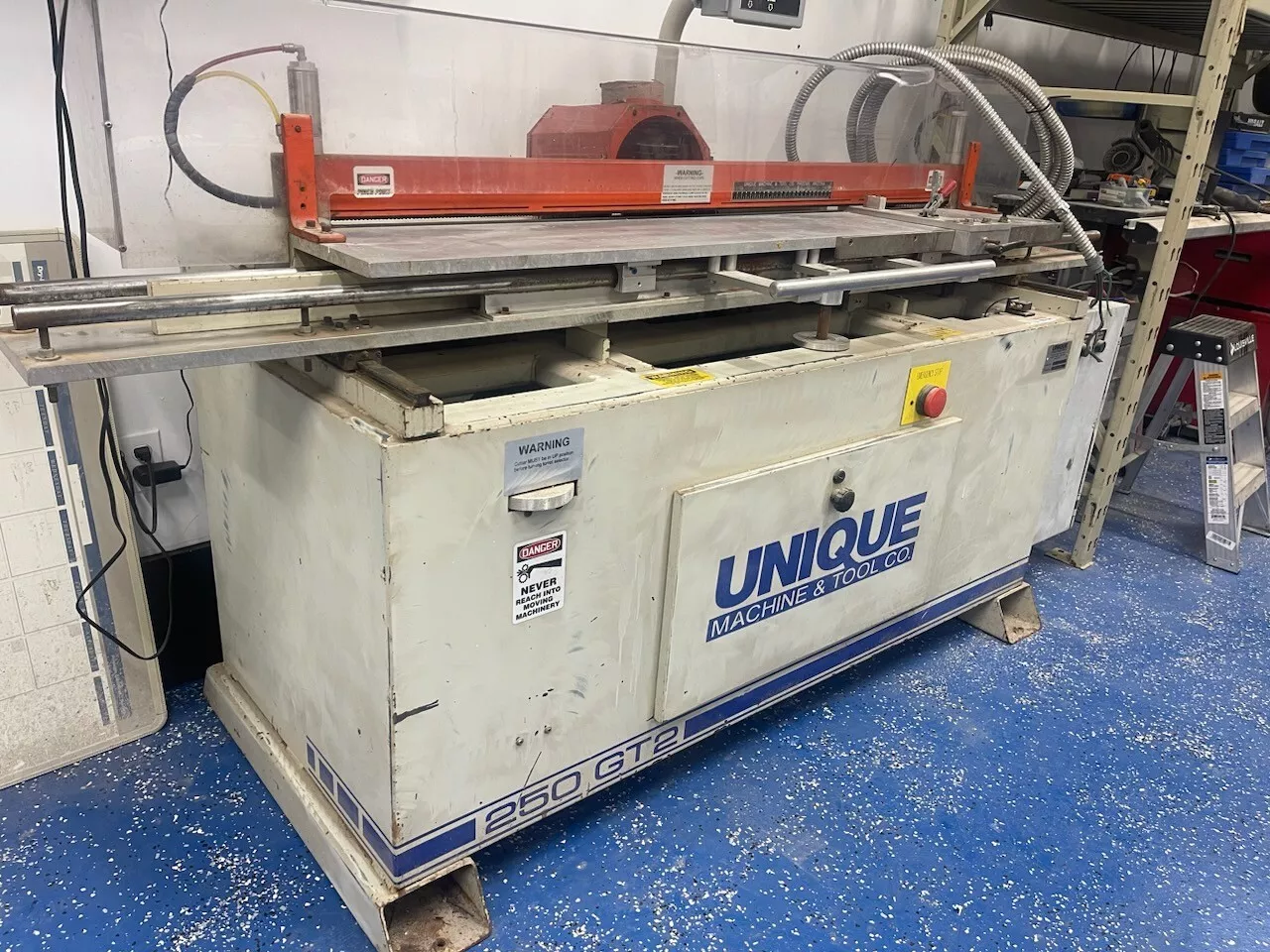
A Cabinet Door Machine is a specialized CNC (Computer Numerical Control) machine used for manufacturing cabinet doors with precision and efficiency. These machines are commonly used in woodworking shops, furniture manufacturing, and cabinet-making industries. The main function of a cabinet door machine is to automate the cutting, shaping, profiling, drilling, and sometimes even finishing of cabinet doors.
Types of Cabinet Door Machines
- CNC Router Machines – Used for cutting and shaping cabinet doors with complex designs.
- CNC Door Profiling Machines – Used for shaping and edge profiling of doors.
- CNC Mortise and Tenon Machines – Used for joint-making in cabinet doors.
- CNC Panel Processing Centers – Used for flat panel door production.
- CNC Edge Banding Machines – Used for applying edge bands to cabinet doors.
Technical Aspects of a Cabinet Door Machine
1. Frame & Construction
- Typically built with a heavy-duty steel frame to reduce vibration.
- The worktable is often made of aluminum or phenolic to provide a stable surface for material processing.
- Gantry-style construction for higher stability and rigidity.
2. Motion Control & Drive System
- Uses ball screw or rack-and-pinion drive systems for high accuracy.
- Servo motors (or stepper motors) drive the movement on the X, Y, and Z axes.
- High-precision linear guide rails ensure smooth movement and durability.
3. Cutting & Spindle System
- High-speed CNC spindles (3.5kW to 12kW) with variable RPM (Revolutions Per Minute) control.
- Uses automatic tool changers (ATC) for switching between different bits (drills, end mills, profiling bits, etc.).
- Vacuum hold-down system secures the wooden panels during cutting.
4. Software & Control System
- Uses CAD/CAM software (e.g., VCarve, Fusion 360, or Cabinet Vision) for designing cabinet doors.
- G-code programming translates design files into machine instructions.
- HMI (Human-Machine Interface) touchscreen control panels simplify machine operation.
5. Dust Collection & Safety Features
- Integrated dust extraction system removes sawdust and debris.
- Enclosures and emergency stop switches for operator safety.
- Laser or sensor-based safety mechanisms to prevent accidental collisions.
Working Process of a CNC Cabinet Door Machine
- Material Loading – A wooden panel (MDF, plywood, or solid wood) is placed on the worktable.
- Design Input – The cabinet door design is imported into the CNC software.
- Toolpath Generation – The software creates cutting, drilling, and profiling toolpaths.
- Machining Process
- The CNC spindle cuts the door to the required dimensions.
- A profiling bit adds decorative edges.
- A drilling head creates hinge holes or dowel joints.
- Finishing – The door is sanded, painted, or laminated based on the design.
- Final Assembly – If required, parts like hinges and handles are installed.
Key Advantages of a Cabinet Door Machine
- High Precision & Repeatability – Ensures accuracy up to ±0.01 mm.
- Faster Production Speed – Reduces labor costs and increases output.
- Complex Design Capability – Allows engraving and intricate profiling.
- Automation & Efficiency – Eliminates manual errors and speeds up production.