What Is an Insulation Machine Used for Cutting to Length and Tube Manufacture?
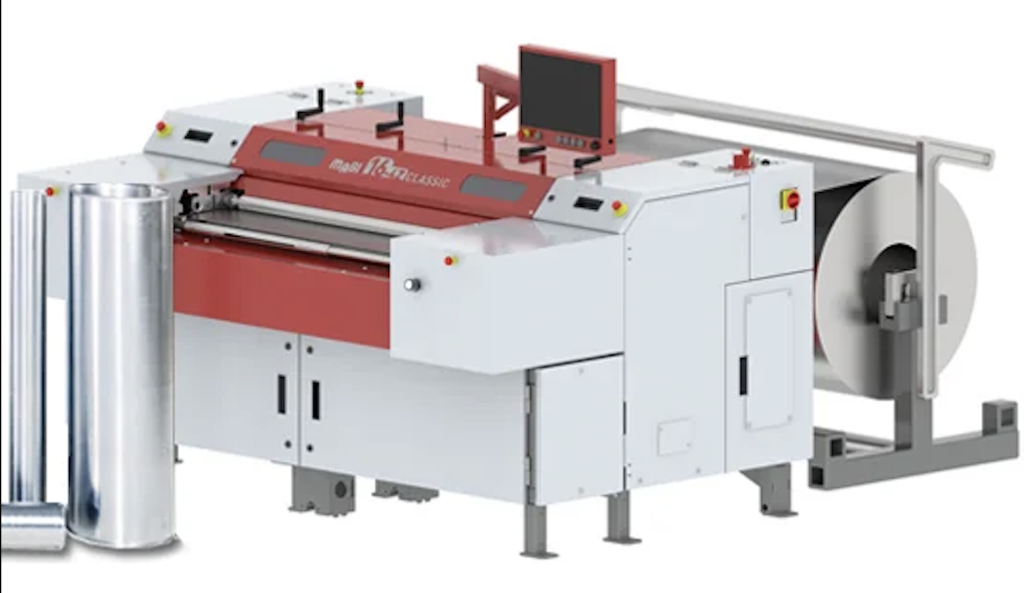
An insulation machine used in assembly lines for cutting to length and tube manufacture is a highly specialized piece of production equipment designed to process insulating materials — such as fiberglass, mineral wool, foam, rubber, polyethylene, PVC, or elastomeric insulation — and convert them into precisely dimensioned tubes, sleeves, or cut pieces for thermal, acoustic, or mechanical protection applications.
These machines are essential in industries that produce components for:
- HVAC tube insulation
- Refrigeration and cooling systems
- Automotive insulation sleeves
- Electrical cable and wiring harness protection
- Industrial pipe insulation
- Energy-saving building materials
1. Core Functions of the Insulation Machine
1. Cutting to Length (CTL) Function
The machine receives insulation material in various forms (rolls, sheets, extruded tubes) and automatically cuts it to required lengths with high repeatability and dimensional accuracy.
Technical aspects include:
- Servo-driven feeding rollers for consistent material advancement
- Programmable length control via PLC or CNC-based systems
- Rotary knives, guillotine blades, or hot-knife cutters, depending on the insulation type
- Automatic material measurement using optical or encoder-based sensors
- Fast cycle times suitable for high-volume production
This ensures that every insulation piece meets exact specifications for downstream assembly.
2. Tube Manufacturing Function
For insulation tubes (for pipes, ducts, wires), the machine may integrate:
- Extrusion or forming section (for foam or rubber insulation tubes)
- Wrapping and bonding station (for multilayer insulation)
- Longitudinal slitting unit (if tubes require opening/closing features)
- Mandrel or forming core support for shaping the internal diameter
- Automatic adhesive or foil application for coated insulation tubes
The result is a uniform, dimensionally stable insulation tube ready for packaging or direct installation into an assembly line.
2. Technical Architecture of an Insulation Cutting & Tube Assembly Machine
A. Material Feeding System
- Servo-controlled feeders
- Automatic tension control
- Sensors for material detection
- Anti-slip rollers for soft materials
B. Cutting Unit
Depending on the insulation type, machines can use:
- Rotary blade cutter (for flexible foam and rubber)
- Pneumatic guillotine blade (for fiberglass or mineral wool)
- Hot-knife cutter (for thermoplastic insulation)
- Ultrasonic blade (for precision composites)
- Flying knife system (for high-speed tube lines)
C. Tube Forming Module
Includes:
- Forming mandrels
- Heated zones for shaping thermoplastic materials
- Adhesive or welding units
- Cooling zone with forced air
D. Control & Automation
Modern systems include:
- PLC or CNC control
- HMI touchscreen interface
- Recipe system for storing tube sizes and lengths
- Integration with SCADA or factory MES
- Real-time monitoring of speed, temperature, and torque
E. Quality Control & Inspection
- Length measurement sensors
- Diameter laser scanners
- Flutter detection for soft insulation
- Auto-reject system for nonconforming parts
3. Production Advantages
High Accuracy
±0.5 mm to ±1 mm length tolerance depending on material type.
High Throughput
Machines can process:
- 60–300 tubes per minute for light foam
- 10–60 tubes per minute for heavy rubber insulation
Material Versatility
Handles:
- Elastomeric rubber (EPDM/NBR)
- Polyethylene foam (PE)
- XPS/EPS foam
- Mineral wool
- Fiberglass insulation
- Flexible PVC insulation
Energy-Optimized Design
- Lower cutting friction
- Servo-driven motors
- Automatic standby mode
4. Typical Applications in Manufacturing
These machines are widely used in:
HVAC & Refrigeration
Creating insulation tubes for copper pipes used in AC systems.
Automotive Industry
Producing insulation sleeves for fuel lines, brake tubes, wiring harnesses.
Construction & Energy
Pipe insulation for domestic and industrial plumbing.
Electronics Assembly
Thermal or dielectric insulation for cables.
5. Why These Machines Are Critical in Modern Assembly
- Ensure consistent insulation quality
- Enable faster assembly line production
- Reduce material waste through precision cutting
- Enhance product performance by ensuring proper insulation thickness
- Lower labor costs through automation
Summary
An insulation machine for cutting to length and tube manufacture is a highly automated system designed to:
✔ Process insulation materials
✔ Cut them to exact lengths
✔ Form them into tubes or sleeves
✔ Ensure dimensional accuracy
✔ Support medium to high-volume production
It combines servo-controlled feeding, precise cutting systems, tube-forming technology, and advanced automation to produce consistent, high-quality insulation components for a wide range of industrial sectors.