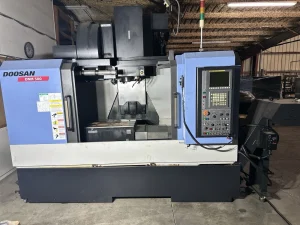
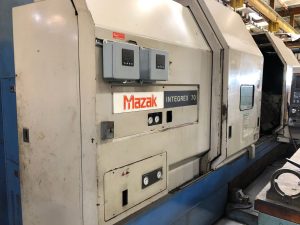
What are the most 100 commonly used words in the second-hand / used machinery, CNC Machine Tools industry?
The second-hand CNC machine tools industry is a specialized sector within manufacturing that involves buying, selling, and trading used CNC machines. Understanding the commonly used words and terminology in this industry is crucial for effective communication, whether you are a buyer, seller, or intermediary. Here’s an extensive list of the most commonly used words, along with detailed explanations of their relevance and context within the industry:
1. CNC (Computer Numerical Control)
- Definition: CNC refers to the automation of machine tools by means of computers executing pre-programmed sequences of machine control commands.
- Context: This term is fundamental in the industry as it distinguishes CNC machines from manual machines. It’s used to describe the technology that enables precise control over machining processes.
2. Lathe
- Definition: A machine tool that rotates a workpiece about an axis of rotation to perform various operations such as cutting, sanding, drilling, or deformation.
- Context: CNC lathes are commonly discussed in the second-hand market, as they are crucial for turning operations in manufacturing.
3. Milling Machine
- Definition: A machine tool used to machine solid materials. The workpiece is fed into a rotating cylindrical tool with multiple cutting edges.
- Context: CNC milling machines are highly sought after in the second-hand market due to their versatility in creating parts with complex geometries.
4. Boring Machine
- Definition: A machine used to bore holes in a workpiece with a cutting tool.
- Context: CNC boring machines, particularly horizontal boring machines, are essential for precise enlargement of holes or for drilling holes in large and heavy workpieces.
5. Router
- Definition: A machine used to hollow out an area in the face of a relatively hard workpiece, typically of wood, composites, aluminum, steel, plastics, and foams.
- Context: CNC routers are popular in the second-hand market for applications in woodworking, signage, and other industries.
6. Machining Center
- Definition: A CNC machine tool with an automatic tool changer and a table that clamps the workpiece in place.
- Context: CNC machining centers, both vertical (VMC) and horizontal (HMC), are integral in manufacturing and are frequently traded in the second-hand market.
7. Spindle
- Definition: The part of the machine that holds and rotates the cutting tool.
- Context: The condition and specifications of the spindle are critical in evaluating the value and performance of a second-hand CNC machine.
8. Tool Changer
- Definition: A mechanism in CNC machines that automatically changes tools, enhancing productivity and efficiency.
- Context: Automated tool changers are a significant feature in CNC machining centers and are a key consideration in the resale value of these machines.
9. Axis
- Definition: The directions in which the machine tool can move or rotate. Common axes in CNC machines include X, Y, and Z for linear movements, and A, B, C for rotational movements.
- Context: The number of axes a CNC machine has (e.g., 3-axis, 4-axis, 5-axis) greatly affects its capability and market value.
10. Controller
- Definition: The computer system that controls the CNC machine, interpreting the G-code instructions.
- Context: Different types of controllers (e.g., FANUC, Siemens, Heidenhain) are mentioned frequently, as they influence the machine’s compatibility, ease of use, and performance.
11. G-code
- Definition: The language in which CNC machines are programmed. It includes commands for movements, speeds, and tool changes.
- Context: Understanding G-code is essential for operating CNC machines, and it’s a common term in discussions about programming and capabilities of second-hand machines.
12. Feed Rate
- Definition: The speed at which the cutting tool engages the workpiece, typically measured in inches per minute (IPM) or millimeters per minute (MM/min).
- Context: The feed rate is crucial for determining the efficiency and quality of the machining process and is often specified in machine listings.
13. RPM (Revolutions Per Minute)
- Definition: A measure of how fast the spindle or cutting tool is rotating.
- Context: The RPM capacity of a machine impacts its suitability for different materials and cutting processes and is a key specification in resale.
14. Work Envelope
- Definition: The three-dimensional space within which a CNC machine can move and perform operations.
- Context: The size of the work envelope determines the maximum dimensions of the workpieces the machine can handle.
15. Coolant System
- Definition: A system that delivers coolant to the cutting area to reduce heat and friction, and to prolong tool life.
- Context: The type and efficiency of the coolant system are important factors in assessing the performance of a second-hand CNC machine.
16. Fixture
- Definition: A device used to securely hold a workpiece during machining.
- Context: The availability and types of fixtures that come with a second-hand machine can add value to the purchase.
17. Tooling
- Definition: The cutting tools and associated accessories used in CNC machines.
- Context: The quality and quantity of tooling provided with a second-hand machine can significantly affect its resale value.
18. Inspection Report
- Definition: A document detailing the condition and functionality of the CNC machine, often conducted by a third-party inspection service.
- Context: Inspection reports are crucial for building buyer confidence and verifying the machine’s condition.
19. Retrofit
- Definition: Upgrading an older CNC machine with new technology or components to improve performance.
- Context: Retrofits can increase the value and appeal of second-hand machines by extending their useful life and capabilities.
20. FOB (Free On Board)
- Definition: A term indicating that the seller will cover the cost of delivering the machine to a specified location, typically a port or freight terminal.
- Context: Shipping terms like FOB are commonly discussed to clarify who is responsible for transportation costs and risks.
21. Depreciation
- Definition: The reduction in value of the machine over time due to wear and tear, technological advancements, and market factors.
- Context: Depreciation rates are considered when pricing second-hand CNC machines.
22. OEM (Original Equipment Manufacturer)
- Definition: The original manufacturer of the CNC machine.
- Context: Machines from reputable OEMs tend to hold their value better and are more sought after in the second-hand market.
23. Turnkey Solution
- Definition: A fully equipped and operational machine setup that is ready for immediate use.
- Context: Turnkey solutions are attractive to buyers who want to minimize setup time and costs.
24. Lead Time
- Definition: The amount of time from when an order is placed until the machine is delivered and operational.
- Context: Lead times are important in the sales process, especially if the buyer has urgent production needs.
25. Cycle Time
- Definition: The total time required to complete one cycle of machining operations.
- Context: Shorter cycle times are preferred for efficiency and productivity, and are often highlighted in machine specifications.
26. Accuracy and Precision
- Definition: The degree to which the machine can produce parts that meet the desired dimensions and tolerances.
- Context: High accuracy and precision are critical selling points for second-hand CNC machines.
27. Reliability
- Definition: The consistency and dependability of the machine’s performance over time.
- Context: Reliability is a major concern for buyers, influencing their decision to purchase a specific second-hand machine.
28. Maintenance Records
- Definition: Documentation of all maintenance performed on the machine, including routine checks and major repairs.
- Context: Comprehensive maintenance records increase buyer confidence by demonstrating proper upkeep of the machine.
29. Warranty
- Definition: A guarantee provided by the seller or manufacturer that covers certain repairs or replacements within a specified period.
- Context: Offering a warranty on a second-hand machine can be a significant advantage in the sales process.
30. Resale Value
- Definition: The expected market value of the machine if sold at a future date.
- Context: Machines with higher resale value are more attractive to buyers who consider long-term investment returns.
31. Refurbished
- Definition: Machines that have been restored to a good working condition by repairing or replacing parts.
- Context: Refurbished CNC machines often come with warranties or guarantees from the refurbisher, making them attractive to buyers seeking cost-effective options.
32. As-Is
- Definition: Sold in its current condition without any warranties or guarantees.
- Context: Buying “as-is” can be risky but often comes at a lower price, appealing to buyers with the capability to repair or upgrade the machine themselves.
33. End User
- Definition: The final purchaser who will use the machine for its intended purpose.
- Context: Understanding the end user’s needs is crucial for sellers to position their machines appropriately.
34. Distributor
- Definition: A company or individual that buys machines from manufacturers or other sources and sells them to end users or other intermediaries.
- Context: Distributors play a key role in the supply chain, providing access to various machine options and offering added services.
35. Dealer
- Definition: An individual or company that buys and sells used CNC machines, often providing additional services like installation and training.
- Context: Dealers are instrumental in the second-hand market, often offering refurbished machines and extended warranties.
36. Auction
- Definition: A public sale in which machines are sold to the highest bidder.
- Context: Auctions can be a good source for finding used CNC machines at potentially lower prices but come with the risk of limited inspection opportunities.
37. Appraisal
- Definition: An assessment of a machine’s value by a qualified expert.
- Context: Appraisals are important for establishing a fair market value for selling, buying, or insuring a CNC machine.
38. Inspection
- Definition: The process of examining a machine to determine its condition and functionality.
- Context: Pre-purchase inspections can reveal potential issues and confirm the machine’s operational status, helping buyers make informed decisions.
39. Tool Magazine
- Definition: A storage device in CNC machines that holds multiple tools and allows for automatic tool changes.
- Context: The capacity and efficiency of the tool magazine can significantly impact the productivity of the CNC machine.
40. Fixture Plate
- Definition: A flat plate with a grid of threaded holes, used to mount workpieces securely during machining.
- Context: Fixture plates are essential for precision machining, ensuring the workpiece remains stable during operations.
41. Cycle Time Reduction
- Definition: Strategies and techniques aimed at decreasing the time required to complete a machining cycle.
- Context: Reducing cycle time is a key objective for improving efficiency and productivity in CNC machining.
42. Vibration Dampening
- Definition: Methods used to reduce or eliminate vibrations in the machining process.
- Context: Effective vibration dampening enhances machining precision and extends tool life.
43. Coolant System
- Definition: A system that circulates coolant to the cutting area to manage heat and reduce friction.
- Context: The effectiveness of the coolant system is vital for maintaining tool life and ensuring high-quality machining.
44. Automatic Pallet Changer (APC)
- Definition: A system that allows for the automatic swapping of pallets, each holding a workpiece, to minimize downtime.
- Context: APCs are crucial for high-volume production environments, enabling continuous operation and improving overall efficiency.
45. Chuck
- Definition: A clamping device used to hold the workpiece securely in a lathe or other CNC machines.
- Context: The type and quality of the chuck affect the precision and stability of the machining process.
46. Quill
- Definition: A part of the machine tool that extends and retracts the spindle, allowing for deep-hole drilling.
- Context: The presence of a quill in a CNC machine enhances its versatility for different drilling operations.
47. Belt Drive
- Definition: A mechanical system using belts to transmit power from the motor to the spindle.
- Context: Belt drive systems are common in CNC machines, offering smooth operation and reduced noise but may require regular maintenance.
48. Direct Drive
- Definition: A system where the spindle is directly connected to the motor without belts or gears.
- Context: Direct drive systems provide higher precision and faster speeds, making them desirable in high-performance CNC machines.
49. Gear Drive
- Definition: A system using gears to transmit power from the motor to the spindle.
- Context: Gear drive systems offer high torque and are suitable for heavy-duty machining tasks.
50. Automatic Tool Changer (ATC)
- Definition: A device that automatically changes the cutting tool based on the machining program.
- Context: ATCs increase productivity by reducing manual intervention and setup times.
51. Linear Guideways
- Definition: Components that provide smooth and precise linear movement for machine axes.
- Context: Linear guideways are critical for maintaining high accuracy and speed in CNC machining.
52. Ball Screws
- Definition: Precision screws that convert rotational motion to linear motion, essential for CNC machine movement.
- Context: High-quality ball screws are crucial for achieving accurate positioning and repeatability.
53. Feed Rate Override
- Definition: A control that allows the operator to adjust the feed rate in real-time during machining.
- Context: Feed rate override enhances flexibility, allowing operators to optimize machining conditions on the fly.
54. Rapid Traverse
- Definition: The fast movement of the machine’s axes to position the tool or workpiece quickly between machining operations.
- Context: High rapid traverse speeds reduce non-cutting time, improving overall productivity.
55. Cutter Compensation
- Definition: Adjustments made to account for the cutter’s diameter, ensuring accurate machining paths.
- Context: Cutter compensation is essential for precision machining, allowing for accurate and consistent part dimensions.
56. Backlash
- Definition: The slight movement or play between mechanical components, particularly gears and screws.
- Context: Minimizing backlash is critical for maintaining high precision and accuracy in CNC machining.
57. Fixture
- Definition: A device used to hold a workpiece in place during machining operations.
- Context: Proper fixturing is essential for ensuring stability and precision in CNC machining processes.
58. Spindle Load
- Definition: The amount of power or torque the spindle is using during machining.
- Context: Monitoring spindle load helps in preventing overload and ensuring optimal cutting conditions.
59. Tool Wear
- Definition: The gradual degradation of cutting tools due to use.
- Context: Managing tool wear is crucial for maintaining machining accuracy and surface finish quality.
60. Dry Run
- Definition: Running the CNC program without actual cutting to verify the program’s correctness.
- Context: Dry runs are used to prevent errors and collisions by checking the machine’s movements before actual machining.
61. Fixture Offset
- Definition: Adjustments made to account for the position of the fixture and workpiece.
- Context: Fixture offsets ensure accurate positioning of the workpiece relative to the cutting tool.
62. Home Position
- Definition: The default starting position of the machine’s axes, used as a reference point.
- Context: Home position is critical for consistent setup and starting points in CNC operations.
63. Touch Probe
- Definition: A sensor used to locate the position of the workpiece and set up tool offsets.
- Context: Touch probes enhance precision and reduce setup time by automating the measurement process.
64. Jog Mode
- Definition: A manual control mode that allows the operator to move the machine’s axes incrementally.
- Context: Jog mode is useful for fine adjustments and positioning during setup and inspection.
65. Subprogram
- Definition: A separate set of instructions within the main CNC program that can be called multiple times.
- Context: Subprograms simplify complex machining tasks and improve program organization and reuse.
66. Fixture Setup Time
- Definition: The time required to set up the fixture and prepare the workpiece for machining.
- Context: Reducing fixture setup time is essential for improving overall production efficiency.
67. DNC (Direct Numerical Control)
- Definition: A system where a central computer controls multiple CNC machines, sending programs directly to them.
- Context: DNC systems enhance productivity and ease of program management in manufacturing environments with multiple machines.
68. Adaptive Control
- Definition: A feature in CNC machines that automatically adjusts machining parameters in real-time based on cutting conditions.
- Context: Adaptive control improves machining efficiency, tool life, and part quality by optimizing the process dynamically.
69. Climb Milling
- Definition: A milling process where the cutting tool rotates in the same direction as the feed.
- Context: Climb milling often results in a better surface finish and longer tool life compared to conventional milling.
70. Conventional Milling
- Definition: A milling process where the cutting tool rotates against the direction of the feed.
- Context: Conventional milling is used in certain scenarios where climb milling is not feasible or desirable.
71. Surface Finish
- Definition: The texture and smoothness of a machined surface, typically measured in micrometers (µm).
- Context: Surface finish is a critical quality parameter, affecting the functionality and appearance of the machined part.
72. Tolerances
- Definition: The allowable variations in part dimensions, specified in the design.
- Context: Meeting tight tolerances is essential for ensuring that parts fit and function correctly in their intended applications.
73. Interpolation
- Definition: The process of calculating intermediate points to produce smooth and accurate tool paths.
- Context: Linear and circular interpolation are common in CNC machining for creating complex shapes and contours.
74. Reaming
- Definition: A finishing process that enlarges and improves the accuracy of a pre-drilled hole.
- Context: Reaming is used to achieve precise hole diameters and smooth finishes.
75. Tapping
- Definition: The process of cutting internal threads in a hole.
- Context: Tapping is a common operation in CNC machining, used for creating threaded holes for fasteners.
76. Part Program
- Definition: The complete set of instructions that control the CNC machine to produce a specific part.
- Context: Part programs include all the necessary movements, speeds, and tool changes required for machining a part.
77. Work Coordinate System (WCS)
- Definition: A coordinate system defined by the operator to align the workpiece with the machine’s axes.
- Context: The WCS is crucial for ensuring that the CNC machine correctly interprets the part program’s dimensions and movements.
78. Fixture Compensation
- Definition: Adjustments made to account for the position and alignment of the fixture.
- Context: Fixture compensation ensures accurate machining by aligning the workpiece correctly with the machine’s coordinate system.
79. Feed Hold
- Definition: A control that pauses the machine’s feed motion without stopping the spindle.
- Context: Feed hold allows the operator to temporarily halt machining to make adjustments or inspections.
80. Machine Simulation
- Definition: Software that replicates the CNC machine’s operations to verify the part program before actual machining.
- Context: Machine simulation helps detect potential errors and collisions, reducing the risk of damage and improving efficiency.
81. Overtravel
- Definition: Movement of the machine’s axes beyond their physical limits, often causing errors or damage.
- Context: CNC machines are equipped with overtravel protection to prevent damage and ensure safe operation.
82. Probe Cycle
- Definition: A routine that uses a touch probe to measure and set up workpiece coordinates and tool offsets.
- Context: Probe cycles automate the setup process, enhancing accuracy and reducing setup time.
83. Part Zero
- Definition: The reference point on the workpiece from which all dimensions are measured.
- Context: Setting part zero accurately is crucial for ensuring that the CNC machine produces parts to the correct dimensions.
84. Tool Path
- Definition: The route taken by the cutting tool to machine the part.
- Context: Optimizing the tool path is essential for achieving efficient and accurate machining.
85. G-Code
- Definition: The programming language used to control CNC machines, consisting of commands that specify movements, speeds, and tool changes.
- Context: Proficiency in G-code is necessary for writing and troubleshooting CNC programs.
86. M-Code
- Definition: Miscellaneous codes in CNC programming that control auxiliary functions, such as coolant and spindle control.
- Context: M-codes work in conjunction with G-codes to fully control the CNC machine’s operations.
87. Dry Machining
- Definition: Machining without the use of coolant, relying on the cutting tool and material properties to manage heat.
- Context: Dry machining can reduce costs and environmental impact but requires careful selection of tools and parameters.
88. Tool Life Management
- Definition: Strategies for monitoring and optimizing the lifespan of cutting tools.
- Context: Effective tool life management ensures consistent part quality and reduces downtime for tool changes.
89. Chip Load
- Definition: The thickness of the material removed by each cutting edge of the tool per revolution.
- Context: Proper chip load is essential for optimizing cutting conditions and tool life.
90. Peck Drilling
- Definition: A drilling technique where the tool repeatedly retracts and advances to clear chips and reduce heat buildup.
- Context: Peck drilling is used for deep holes and challenging materials to improve hole quality and tool life.
91. Helical Interpolation
- Definition: A CNC machining technique that combines circular and linear movements to create helical tool paths.
- Context: Helical interpolation is commonly used for thread milling and creating complex geometries.
92. Adaptive Machining
- Definition: The ability of CNC machines to adjust machining parameters based on real-time feedback and conditions.
- Context: Adaptive machining enhances precision, reduces waste, and improves overall efficiency.
93. Residual Stress
- Definition: Stress remaining in a workpiece after machining, which can affect dimensional stability and performance.
- Context: Managing residual stress is crucial for ensuring part quality and longevity.
94. Part Nesting
- Definition: Arranging multiple parts on a single workpiece or sheet to optimize material usage and reduce waste.
- Context: Part nesting is commonly used in CNC routers and laser cutting for efficient production.
95. Collision Detection
- Definition: Systems and software that identify potential collisions between the machine, tool, and workpiece.
- Context: Collision detection is essential for preventing damage and ensuring safe, efficient machining operations.
96. Thread Milling
- Definition: A machining process that creates threads using a rotating tool that follows a helical path.
- Context: Thread milling offers advantages over tapping, including better chip control and the ability to machine threads in difficult materials.
97. Heat Treatment
- Definition: Processes used to alter the properties of a material by heating and cooling, such as hardening or annealing.
- Context: Heat treatment is often required before or after machining to achieve desired material characteristics.
98. Surface Hardness
- Definition: The measure of a material’s resistance to deformation or penetration.
- Context: Surface hardness is a key consideration in selecting materials and tools for CNC machining.
99. Machine Vibration
- Definition: Oscillations caused by imbalances or external forces that can affect machining precision and tool life.
- Context: Minimizing machine vibration is essential for achieving high-quality finishes and prolonging tool and machine life.
100. Repeatability
- Definition: The ability of a CNC machine to return to the same position and produce consistent results over multiple operations.
- Context: High repeatability is crucial for maintaining part quality and ensuring efficient production in CNC machining.
Summary
Understanding and using the commonly used words in the second-hand / used CNC machine tools industry is essential for effective communication and successful transactions. These terms cover a wide range of aspects, including machine specifications, operational capabilities, market dynamics, and transactional details. Familiarity with this terminology not only helps in accurately describing and assessing machines but also builds credibility and trust in the marketplace.