Smart Buyer’s Guide: How to Choose the Right Pre-Owned, Used, Secondhand, Surplus CNC Equipment Before Purchasing Pratt & Whitney Model B Keyway Cutter Vertical Shaper made in USA?
Here’s a smart buyer’s guide tailored specifically for pre-owned, used, secondhand, surplus CNC equipment, with real technical considerations and criteria you should weigh before purchasing a Pratt & Whitney Model B Keyway Cutter Vertical Shaper (made in USA). I’m giving you practical insights and machine-specific technical factors
1. Understanding the Machine: What Is a Pratt & Whitney Model B Keyway Cutter Vertical Shaper?
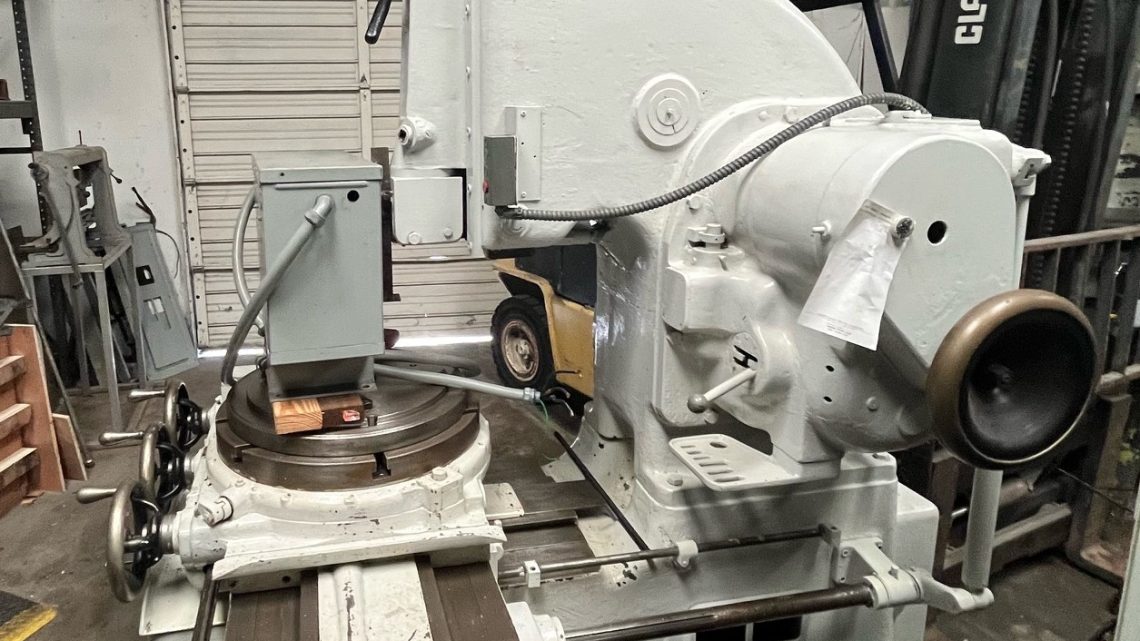
This is a vertical shaper machine, typically used for producing internal keyways, splines, grooves, and slots in components like gears, shafts, and pulleys. The “keyway cutter” refers to tooling designed to accurately shape standardized key slots.
Key technical features (typical for Pratt & Whitney Model B series):
- Stroke Length: ~8″–10″ (depends on specific build)
- Ram Travel: Defines maximum cutting depth
- Table Size: e.g., 20″ x 15″ or similar – impacts size of workpiece you can fixture
- Spindle Speed Range: Fixed or variable (typically 20–120 SPM for traditional shapers)
- Clamping System: T-slots or fixtures specific for keyway tooling
- Work Head Tilt/Swivel: Some allow slight angle adjustments perpendicular to vertical
- Drive System: Belt or gear drive
- Country of Manufacture: USA — known for rugged industrial build quality
Before you buy, know the critical specs of your exact Model B (these vary by serial number and build year).
2. Inspect Machine Condition — What to Look For (Technically)
A pre-owned vertical shaper’s value depends on actual condition — do NOT rely on photos alone.
A. Mechanical Wear
- Gib and Ways Wear: Check ram guides and table slide rails for wear or loose play. Excessive play means poor precision.
- Backlash: Measure backlash in rack & pinion or lead screws if present; unacceptable backlash ruins accuracy.
- Spindle Bearings: Feel for roughness or noise on rotation — worn bearings = expensive rebuild.
B. Alignment & Accuracy
- Vertical Alignment: Use a dial indicator to check vertical runout of ram.
- Table Movement: Should be smooth with minimal stiction; check all axis motions under light load.
- Tool Holder Centerline: Must remain square to table; misalignment means out-of-tolerance parts.
C. Spindle / Drive Check
- Spindle Runout: High runout damages cutters and reduces finish quality.
- Drive Belts / Gears: Look for cracks, frays, missing teeth — vibration affects cut quality.
D. Electrical / Controls
Since this is a manual paper-diagram type with some pre-1950s electrics:
- Wiring integrity (no frayed insulation)
- Motors operate smoothly without unusual noise or overheating
Unless a CNC retrofit has been done (rare for this model), electricals are basic.
3. Key Technical Criteria Before Purchase
A. Machine Working Envelope
Make sure the table travels, stroke, and clearances match the largest pieces you plan to work on:
- Max Workpiece Height: Distance from table surface to underside of ram at top dead center
- Max Cutting Depth: Stroke + adjustment range
- Table Load Capacity: Structural rigidity needed for heavy cuts
Mismatch here is a deal-breaker.
B. Clamping & Tooling Standardization
- Confirm the table T-slot dimensions and spacing
- Check if keyway cutters you intend to use match the tool arbor size
- Original tooling spares or quick-change tooling affects future operating cost
C. Motor & Power Requirements
- Single-phase vs Three-phase?
- Voltage requirement (e.g., 230V / 460V)
Make sure your factory/shop power supports it.
4. Documentation and Provenance
Technical documents matter:
- Operator Manual
- Parts List Drawings
- Maintenance Log
- Original Specification Sheet
Serial numbers can help you find exact:
- Horsepower specification
- Gearbox ratios
- Optional accessories included (e.g., power feed kits)
No documentation → higher risk.
5. Retrofit and Upgrade History
Many secondhand shapers may have:
- CNC conversion kits
- Digital readouts (DROs)
- Servo motor upgrades
- Hydraulic feed retrofits
These change:
- Accuracy
- Ease of use
- Serviceability
Ask for:
- Conversion documentation
- Photos of electrical cabinet
- PLC or controller brand & model (if CNC)
Check if aftermarket parts are still available.
6. Cost vs Value — What Makes It Worth Buying?
Evaluate financially by answering:
| Factor | Impact |
|---|---|
| Low hours + clean condition | Higher value |
| Original tooling included | Saves cost |
| Service history | Reduces risk |
| Recent rebuilds | Can justify higher price |
| Clear alignment & spindle health | High production value |
| Rust or corrosion | Lower value — expensive to fix |
A machine that runs smoothly, holds accuracy, and includes tooling is worth a premium.
7. Field Test Before Buying — What To Do
Ask the seller for a live demonstration. During the demo:
✔ Check table movement under load
✔ Run ram through full stroke
✔ Test keyway cutter in a scrap piece
✔ Check finishes and tolerances
✔ Listen for abnormal sounds
If they refuse a demo → red flag.
8. Safety & Compliance
Even older machines must meet basic electrical and mechanical safety:
- Grounding and insulation
- Emergency stop functionality
- Guards on moving parts
- Lockouts for maintenance
Non-compliant machines mean extra cost to bring up to code.
9. Transportation and Installation Considerations
This machine is heavy and bulky. Determine:
- Weight (approx): 1,200 – 2,000 kg depending on options
- Rigging requirements: Forklift, crane points
- Leveling and anchoring: Critical for precision
Shop space should be:
- Flat and stable
- Near proper power supply
Transport without proper support can bend ways and damage the machine.
10. Final Purchase Checklist (Technical)
Before signing:
☐ Verify machine serial number & specs
☐ Inspect wear & alignment with indicators
☐ Run spindle & ram tests
☐ Confirm power compatibility
☐ Review documentation & tooling list
☐ Evaluate retrofit hardware
☐ Get price benchmark vs market