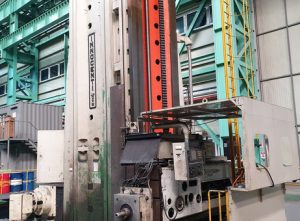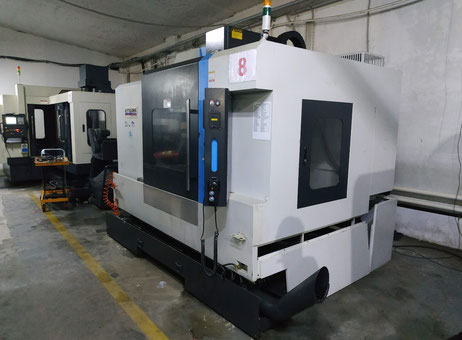
Smart Buyer’s Guide: How to Choose the Right Pre-Owned, Used, Secondhand, Surplus CNC Equipment Before Purchasing Kitigawa LVC-1160 CNC Vertical Machining Center made in Japan
Here is a Smart Buyer’s Guide to help you evaluate and choose the right pre-owned, used, or surplus CNC equipment, specifically when considering a Kitigawa LVC-1160 CNC Vertical Machining Center made in Japan or similar machines. This guide focuses on practical decision points that experienced buyers use before committing to a purchase.
1. Understand What You Need
Define Your Application
Ask yourself:
- What parts will you produce (size, material, tolerance)?
- What type of operations are required (milling, drilling, tapping, contouring)?
- What is the batch size (prototype or high-volume production)?
2. Technical Evaluation
Machine Specifications
Before anything else, check:
- Work envelope and axis travels (X, Y, Z)
- Table size and load capacity
- Spindle power and speed range
- Tool changer type and tool capacity
- Control type (FANUC, Siemens, Mitsubishi). Control versions matter.
For a Kitigawa LVC-1160, verify whether these specifications match your workpiece size and production requirements, as they directly affect the range of jobs you can perform.
3. Condition Inspection (Do Not Skip This)
Physical Inspection Checklist
- Visual wear, cracks, or rust
- Overall cleanliness and coolant condition
- Frame alignment and absence of collision marks
Mechanical Condition
- Spindle runout
- Bearing condition
- Ball screw backlash
- Servo performance and axis repeatability
Machines stored idle for long periods may appear acceptable externally but can suffer from internal issues such as dried lubrication, aged grease, or electrical oxidation.
4. Operational Testing
Always test the machine under power if possible. A visual walk-around alone is not sufficient.
Recommended tests include:
- Power on and power off sequence
- Jogging each axis
- Running an actual cutting cycle
- Checking alarms or error messages
- Testing the tool changer and probing system, if equipped
5. Control and Software Compatibility
Control System
- Is the control familiar to your operators and programmers?
- Is the software version still supported?
- Will upgrades or retrofits be required?
Connectivity
- Compatibility with modern CAD and CAM systems
- Availability of Ethernet, USB, or network connections
6. Maintenance and Service History
Gather as much documentation as possible:
- Spindle hours or operating hours
- Repair and service records
- Major part replacements
- Last maintenance or service date
A well-maintained older machine is often more reliable than a newer-looking machine with poor service history.
7. Supporting Equipment Included
Confirm whether the machine includes:
- Tooling such as collets, cutters, and fixtures
- Vises and chucks
- Probing systems
- Coolant system
- Chip conveyor
- Spare parts
Included tooling and accessories can significantly reduce initial setup costs.
8. Warranty and Return Options
Pre-owned machines rarely include full warranties, but some sellers may offer:
- Short-term functional warranties
- Parts or exchange coverage
- Limited return windows
These terms should be discussed and documented before purchase.
9. Total Cost of Ownership
The purchase price is only part of the overall investment. Consider:
- Transportation and rigging
- Installation and calibration
- Operator training
- Spare parts inventory
- Future service and support
- Potential downtime risks
Evaluating total cost of ownership provides a more accurate picture of the machine’s long-term value.
10. Supplier Reputation and Location
Choose suppliers that provide:
- Positive references or reviews
- Clear inspection reports
- Transparent warranty terms
- Demonstration or testing options
Since Kitigawa machines are Japanese-built, confirm that spare parts, technical support, and documentation are accessible.
11. Red Flags to Avoid
Be cautious if any of the following apply:
- The seller refuses to demonstrate the machine under power
- Control access or parameters are restricted
- No maintenance records are available
- Key components such as the tool changer or probes are missing
- Visible collision damage or structural dents exist
Bonus: Specific Considerations for the Kitigawa LVC-1160
For this model, pay particular attention to:
- Spindle condition, especially runout at higher speeds
- Linear guide wear, as vertical machining accuracy depends heavily on guide condition
- Control responsiveness, particularly on older control versions
- Tool changer accuracy and reliability for multi-operation machining
Quick Decision Checklist
| Check Item | Status |
|---|---|
| Machine specifications meet production needs | Yes / No |
| Operational testing passed | Yes / No |
| Maintenance history is satisfactory | Yes / No |
| Control system is compatible | Yes / No |
| Total cost of ownership is acceptable | Yes / No |
| Warranty or return option available | Yes / No |
If more than one item is marked “No,” reconsider the purchase or renegotiate the terms.