Laser Cutting Aluminum: Everything You Need to Know
Aluminum is one of the most widely used metals in modern manufacturing due to its lightweight properties, excellent corrosion resistance, high strength-to-weight ratio, and attractive appearance. It is commonly found in industries such as aerospace, automotive, electronics, construction, marine engineering, and consumer products. As demand for precision metal fabrication continues to grow, laser cutting has become one of the most efficient and accurate methods for processing aluminum materials.
Compared with traditional cutting methods such as mechanical sawing, punching, and plasma cutting, laser cutting offers superior precision, faster processing speeds, and cleaner edges. However, aluminum presents unique challenges that manufacturers must understand before starting production. Its highly reflective surface and excellent thermal conductivity require specialized equipment and optimized cutting parameters.
Understanding the characteristics of aluminum and the factors that influence cutting quality can help manufacturers improve productivity, reduce waste, and achieve better finished products. Whether you are new to laser cutting or considering aluminum fabrication for your business, knowing the fundamentals is essential for successful results.
Why Aluminum Is Popular for Laser Cutting
Aluminum has become a preferred material across many industries because it combines strength and light weight. Components made from aluminum can significantly reduce overall product weight while maintaining structural integrity. This is especially important in transportation industries where weight reduction directly improves fuel efficiency and performance.
Another advantage of aluminum is its natural corrosion resistance. Unlike ordinary steel, aluminum forms a protective oxide layer that helps prevent rust and environmental damage. This makes it suitable for outdoor applications, marine environments, and architectural projects where long-term durability is required.
Laser cutting allows manufacturers to fully utilize aluminum’s benefits by producing highly precise parts with complex geometries. The narrow laser beam can create intricate patterns, small holes, and detailed designs that would be difficult or costly to achieve with conventional cutting methods. The process also minimizes material deformation, helping maintain dimensional accuracy.
As laser technology continues to advance, modern fiber laser cutting machines have made aluminum processing faster and more cost-effective than ever before. High-power fiber lasers can efficiently cut various aluminum thicknesses while maintaining excellent edge quality.
Challenges of Laser Cutting Aluminum
Although aluminum offers many advantages, it also presents several challenges during laser cutting. One of the most significant issues is reflectivity. Aluminum reflects a large percentage of laser energy, especially when using older CO₂ laser systems. Reflected laser beams can potentially damage optical components and reduce cutting efficiency.
Modern fiber laser cutting machines are specifically designed to handle reflective materials more effectively. Advanced laser sources and protective technologies help reduce the risks associated with back reflections, allowing operators to cut aluminum safely and efficiently.
Another challenge is aluminum’s high thermal conductivity. Heat generated by the laser quickly spreads throughout the material instead of remaining concentrated in the cutting zone. This means more laser power is often required to achieve complete penetration compared with cutting mild steel of similar thickness.
Additionally, aluminum can be sensitive to parameter settings. Incorrect cutting speed, gas pressure, focus position, or power levels may result in rough edges, excessive burrs, incomplete cuts, or heat-affected zones. Proper machine setup and process optimization are therefore critical for achieving consistent cutting quality.
Choosing the Right Laser Cutting Machine for Aluminum
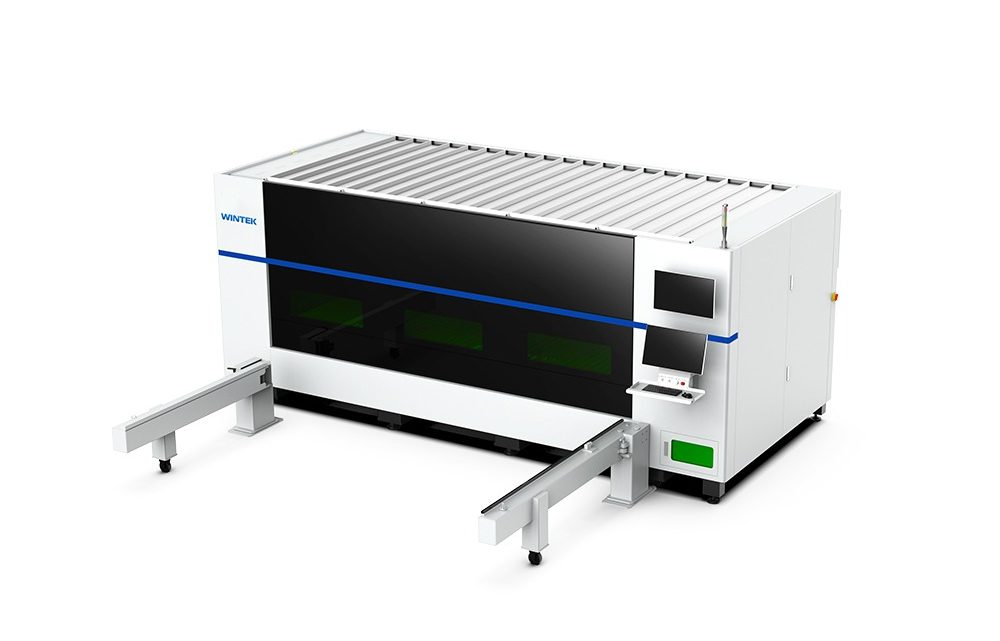
Selecting the appropriate laser cutting machine plays a crucial role in aluminum processing success. Today, fiber laser cutting machines are widely recognized as the best solution for cutting aluminum due to their superior energy efficiency, higher absorption rates, and faster cutting speeds.
For thin aluminum sheets, laser systems ranging from 1.5KW to 3KW are often sufficient. These machines can deliver excellent cutting quality for common fabrication applications while keeping operating costs relatively low. Manufacturers processing decorative panels, electronic components, and light industrial products frequently choose this power range.
When cutting medium and thick aluminum plates, higher-power systems become necessary. Machines equipped with 6kW, 12kW, 20kW, or even 30kW fiber lasers can cut significantly thicker materials while maintaining productivity. High-power systems also provide better edge quality and reduce overall processing time.
In addition to laser power, manufacturers should consider factors such as machine stability, motion system accuracy, automatic nozzle calibration, intelligent cutting software, and after-sales support. A well-designed laser cutting machine can improve production efficiency while reducing downtime and maintenance costs.
Factors That Affect Aluminum Cutting Quality
Several variables influence the final quality of laser-cut aluminum parts. Among them, laser power is one of the most important. Insufficient power may lead to incomplete cuts, while excessive power can create wider kerf widths and unnecessary heat input.
Cutting speed must also be carefully adjusted according to material thickness and laser power. If the speed is too fast, the laser may fail to fully penetrate the material. If it is too slow, excessive melting can occur, leading to rough edges and increased dross formation.
Assist gas selection significantly impacts cutting performance as well. Nitrogen is commonly used for aluminum cutting because it prevents oxidation and produces bright, clean edges. High-pressure nitrogen helps remove molten material from the kerf and improves overall surface quality. Although oxygen can sometimes be used, it may cause edge discoloration and oxidation.
The condition of consumables such as nozzles and protective lenses also affects cutting consistency. Worn or contaminated components can reduce beam quality and create unstable cutting conditions. Regular inspection and maintenance are essential for maintaining optimal machine performance.
Best Practices for Laser Cutting Aluminum
Achieving high-quality aluminum cutting results requires a combination of proper equipment, optimized parameters, and routine maintenance. Operators should begin by selecting cutting parameters recommended by the machine manufacturer and then fine-tune settings based on actual production requirements.
Material quality is equally important. Using flat, clean aluminum sheets with consistent thickness helps improve cutting stability. Dirt, oil, and surface contaminants can interfere with laser energy absorption and negatively affect edge quality.
Routine machine maintenance should never be overlooked. Keeping optical components clean, replacing worn consumables, and calibrating the cutting head regularly can significantly improve process reliability. Preventive maintenance also helps reduce unexpected downtime and extends equipment lifespan.
Manufacturers processing large production volumes may benefit from automation features such as automatic loading systems, intelligent nesting software, and real-time process monitoring. These technologies can improve productivity while reducing labor costs and material waste.
Conclusion
Laser cutting aluminum offers manufacturers a highly efficient and precise method for producing quality metal components across a wide range of industries. Aluminum’s lightweight nature, corrosion resistance, and versatility make it an ideal material for modern fabrication projects, while fiber laser technology provides the speed and accuracy needed for competitive manufacturing.
However, successful aluminum processing requires an understanding of the material’s unique characteristics, including its reflectivity and thermal conductivity. Choosing the right fiber laser cutting machine, optimizing cutting parameters, and maintaining equipment properly are all essential steps toward achieving excellent results.
As laser technology continues to evolve, high-power fiber laser cutting machines are making aluminum fabrication faster, more reliable, and more cost-effective than ever before. For manufacturers seeking greater productivity, improved precision, and reduced operating costs, investing in advanced aluminum laser cutting solutions can provide significant long-term benefits and a strong competitive advantage in today’s market.
Address:
No. 2303, Building 4, United Fortune Plaza, No. 2177, Tianchen Road, High-tech Zone, Jinan City, China
Phone: 86-18769786070
Email: admin@winteklaser.com
Website: https://winteklaser.com/