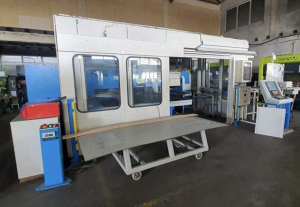
Introduction to CNC Waterjet Cutting Machines
CNC (Computer Numerical Control) waterjet cutting machines represent a significant technological advancement in the manufacturing sector. These machines use high-pressure water jets, sometimes combined with abrasive materials, to cut a wide range of materials with precision. This technology supports a variety of industries, including aerospace, automotive, and electronics, providing a flexible and efficient cutting solution.
What Is a CNC Waterjet Cutting Machine?
A CNC waterjet cutting machine is a tool that uses streams of high-pressure water, or a mixture of water and abrasive particles, to cut through different materials. These machines are controlled by computer systems which ensure high precision and repeatability. Unlike traditional mechanical cutting devices, waterjet cutters do not generate heat, making them ideal for materials that are sensitive to high temperatures.
How Does a CNC Waterjet Cutting Machine Work?
The operation of a CNC waterjet cutter by Techni Waterjet involves several key stages:
- Generating high-pressure water: A high-pressure pump drives water through a small nozzle at pressures up to 60,000 psi.
- Mixing water with abrasive materials: For cutting harder materials, abrasives such as garnet are added to the water stream.
- Focusing the jet on the material: The waterjet is focused on the material to be cut, which is precisely positioned on a cutting table.
- The cutting process: The stream cuts through the material with precise movements controlled by the CNC system.
What Are the Core Components of a CNC Waterjet Cutting Machine?
The main components of a waterjet cutter include:
- High-pressure pump: Generates the water pressure required for cutting.
- Abrasive storage and delivery system: Feeds abrasive particles into the water stream.
- Cutting head: Where the water and abrasive mixture is directed onto the material.
- Control system: Manages the operation of the machine according to the programmed instructions.
- Catcher tank: Collects the water and abrasive after cutting to minimize waste and environmental impact.
What Materials Can Be Cut With a CNC Waterjet?
Waterjet cutting is versatile, capable of slicing through:
- Metals: Including steel, aluminum, and copper without heat damage or distortion.
- Ceramics: Clean cuts without cracking or chipping.
- Stones: Such as marble and granite for architectural applications.
- Composites: Accurate cuts without delaminating the layers.
- Glass: Precise and intricate shapes without thermal stress.
What Are the Advantages of Using CNC Waterjet Cutting?
Key advantages include:
- Precision: Achieves intricate cuts with tight tolerances.
- Versatility: Cuts a wide range of materials without changing tools.
- No heat-affected zone (HAZ): Prevents material structural changes from heat.
- Environmentally friendly: Uses water and natural abrasives, reducing hazardous waste.
What Are the Limitations of CNC Waterjet Cutting?
Challenges include:
- Material thickness: While waterjets can cut thick materials, efficiency decreases with thickness.
- Cutting speed: Generally slower than laser or plasma cutting.
- Operating cost: High due to abrasive and maintenance costs.
How to Prepare Materials for CNC Waterjet Cutting?
Preparation steps include:
- Cleaning and pre-treatment: Ensures the surface is free from contaminants.
- Planning the cutting path: Optimizes the sequence and pattern of cuts to reduce waste.
- Material placement and securing: Ensures accurate and stable cutting.
Design Tips for Optimizing CNC Waterjet Cutting
Design considerations include:
- Minimizing material wastage: Using nesting software to arrange parts closely.
- Designing for kerf: Accounting for the cut width in the design.
- Avoiding delamination: Designing cuts to minimize stresses that could separate layers.
Safety Measures When Operating a CNC Waterjet Cutter
Safety practices include:
- Personal protective equipment: Wearing goggles and protective clothing.
- Machine maintenance: Regular checks and repairs to prevent malfunctions.
- Workspace safety practices: Keeping the area clean and well-organized to prevent accidents.
What Are the Key Operational Parameters of a CNC Waterjet Cutter?
Important parameters are:
- Water pressure: Directly impacts the cutting speed and quality.
- Abrasive flow rate: Affects the efficiency of cutting hard materials.
- Cutting speed: Must be optimized based on the material and desired finish.
- Standoff height: The distance between the nozzle and the material affects the accuracy.
How Do These Parameters Affect the Cutting Quality?
Each parameter plays a critical role in the final quality of the cut. Adjusting these can optimize cutting time, efficiency, and surface finish.
Step-by-Step Guide to Operating a CNC Waterjet Cutter
Operating steps include:
- Setup: Installing and configuring the machine.
- Material loading: Placing and securing the material.
- Programming: Inputting the cutting pattern into the control system.
- Cutting: Executing the cut as per the programmed path.
- Post-processing: Cleaning and finishing the cut edges.
What Are the Cost Considerations With CNC Waterjet Cutting?
Cost factors:
- Initial Investment: High due to advanced technology.
- Operating Costs: Influenced by material type, machine operation, and maintenance.
- Maintenance Costs: Regular servicing and part replacement.
What Are the Latest Advances in CNC Waterjet Technology?
Recent innovations include:
- Faster cutting technologies: Improvements in pump and nozzle designs.
- Improved abrasive recycling systems: Reducing operating costs.
- Software and control enhancements: Increasing precision and reducing waste.
Comparing CNC Waterjet Cutting With Other Cutting Technologies
Comparison with plasma and laser cutting shows:
- Material compatibility: Waterjets handle a broader range of materials.
- Cost-effectiveness: Waterjets are more cost-effective for thicker materials.
- Environmental impact: Waterjets produce less hazardous waste.
Case Studies: Successful Applications of CNC Waterjet Cutting
Examples in industries like automotive, aerospace, and artistic installations highlight the adaptability and benefits of waterjet technology.
Conclusion
CNC waterjet cutting machines provide a powerful, versatile, and precise cutting solution, adaptable to a wide range of materials and industries. With ongoing advancements in technology, they continue to offer significant benefits, including precision, flexibility, and eco-friendliness. This guide serves as a comprehensive resource for understanding and utilizing this cutting technology effectively.