How to Maintain a Fiber Laser Cutting Machine for Long-Term Stable Performance
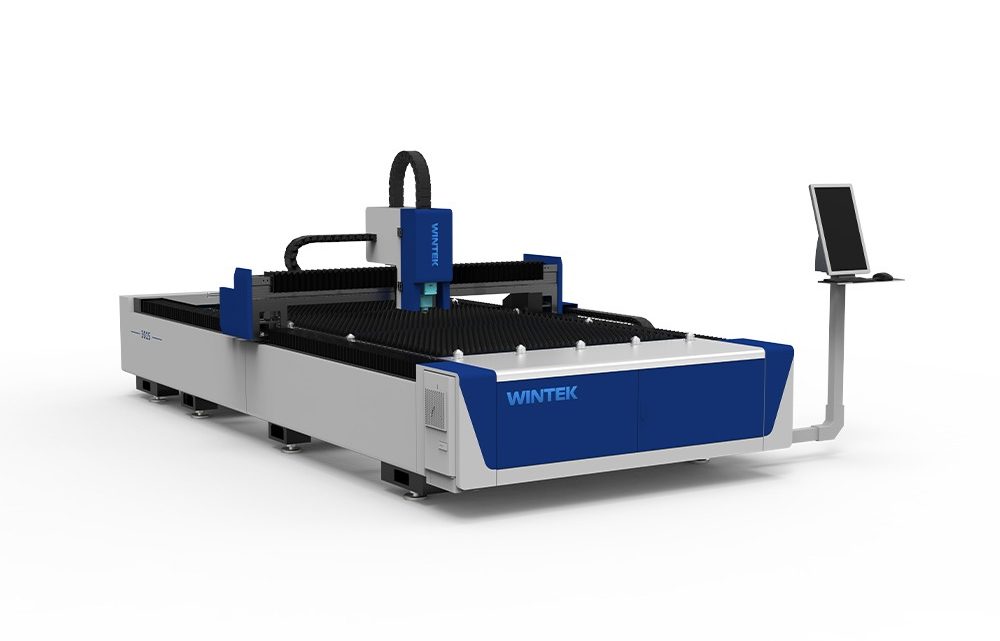
Fiber laser cutting machines have become essential equipment in modern metal fabrication, sheet metal processing, automotive manufacturing, and precision engineering industries. Their high speed, excellent cutting accuracy, and low operating costs make them a preferred solution compared to traditional cutting technologies. However, like any industrial equipment, a fiber laser cutting machine requires proper maintenance to ensure stable performance, long service life, and consistent cutting quality.
Regular maintenance not only reduces unexpected downtime but also helps manufacturers maintain precision, improve efficiency, and avoid costly repairs. Understanding how to properly maintain a fiber laser cutting machine is therefore critical for any production facility that relies on continuous and high-quality output.
Importance of Regular Maintenance
The performance of a fiber laser cutting machine depends heavily on its operating environment and maintenance conditions. Over time, dust, metal particles, cooling system strain, and mechanical wear can affect cutting accuracy and machine stability. Without proper maintenance, even the most advanced laser system may experience reduced efficiency or inconsistent cutting results.
Regular maintenance ensures that all key components remain in optimal condition. It helps maintain laser beam quality, improves cutting precision, and reduces the risk of system failure. For manufacturers, this means higher productivity, lower repair costs, and more stable production output.
Maintaining the Laser Source System
The laser source is the core component of a fiber laser cutting machine, and its stability directly determines cutting performance. Proper maintenance of the laser source involves ensuring a clean operating environment, stable power supply, and appropriate temperature control.
The surrounding area of the laser source should be kept free from dust and humidity. Excessive dust accumulation can affect internal components and reduce efficiency over time. In addition, operators should ensure that the machine operates within the recommended temperature range to prevent overheating or thermal instability.
Regular inspection of fiber connections and signal transmission is also important. Any loose or damaged connections may affect laser output stability and should be addressed immediately to maintain consistent cutting quality.
Cooling System Maintenance
The cooling system plays a critical role in maintaining the stable operation of the laser source and optical components. Fiber laser machines typically use industrial water chillers to regulate temperature during continuous operation.
Coolant levels should be checked regularly to ensure proper circulation. If the water level is too low or the coolant quality is poor, it may lead to insufficient cooling performance. In addition, the cooling water should be replaced periodically to prevent contamination and scale buildup.
It is also important to clean the chiller filters and ensure that air vents remain unobstructed. A well-maintained cooling system helps prevent overheating, extends equipment lifespan, and ensures stable laser output during long production cycles.
Optical System Care and Protection
The optical system is one of the most sensitive parts of a fiber laser cutting machine. Although fiber lasers are known for their durability, the protective lenses and cutting head components still require careful maintenance.
Protective lenses should be inspected regularly for dust, residue, or damage. Even minor contamination can affect laser transmission efficiency and cutting accuracy. Cleaning should be performed using appropriate tools and materials to avoid scratching or damaging the lens surface.
The cutting head should also be kept clean and properly aligned. Any misalignment or contamination may result in poor beam focus and reduced cutting quality. Proper handling and regular inspection help maintain optimal optical performance.
Mechanical System Maintenance
The mechanical system includes guide rails, racks, motors, and transmission components that ensure smooth machine movement. Over time, these components may experience wear or accumulate dust and debris, affecting motion accuracy.
Regular lubrication of moving parts is essential to reduce friction and ensure smooth operation. Guide rails should be cleaned to remove metal particles and dust that may interfere with motion stability. In addition, operators should check for abnormal noise or vibration during machine operation, as these may indicate mechanical issues that require attention.
Maintaining a stable mechanical system ensures accurate positioning and consistent cutting results, especially during high-speed production.
Electrical System Inspection
The electrical system controls all machine operations, including motion control, laser output, and safety functions. Regular inspection of electrical components helps ensure safe and reliable operation.
Operators should check wiring connections, control panels, and safety interlocks to ensure they are functioning properly. Loose or damaged wiring can lead to system errors or operational instability. It is also important to ensure that the machine is properly grounded to prevent electrical hazards.
Keeping the electrical cabinet clean and dry helps protect sensitive components and reduces the risk of system failure.
Software and Control System Updates
Modern fiber laser cutting machines rely heavily on intelligent CNC control systems. Regular software updates help improve system performance, add new features, and fix potential bugs.
Operators should ensure that the control software is properly backed up before performing updates. It is also important to follow manufacturer guidelines when installing new versions to avoid compatibility issues.
Proper parameter management, including cutting speed, power settings, and nesting configurations, also plays a key role in maintaining production efficiency. Optimized software settings help improve cutting quality and reduce material waste.
Daily Maintenance Practices
Daily maintenance is essential for ensuring long-term stability and performance. Before starting production, operators should perform basic inspections of the machine, including checking the laser head, cooling system, and worktable cleanliness.
After each production cycle, the machine should be cleaned to remove metal dust and debris. Keeping the work area clean helps prevent contamination and ensures smooth operation in the next production run.
Operators should also monitor machine performance during operation and address any abnormalities immediately to prevent larger issues from developing.
Long-Term Benefits of Proper Maintenance
Proper maintenance of a fiber laser cutting machine provides significant long-term benefits for manufacturers. It helps extend equipment lifespan, reduce unexpected downtime, and maintain consistent cutting quality.
Well-maintained machines operate more efficiently and consume less energy, resulting in lower production costs. They also provide higher reliability, which is essential for meeting production deadlines and customer expectations.
In competitive manufacturing environments, equipment reliability directly impacts business performance. Companies that invest in regular maintenance gain a clear advantage in productivity, cost control, and product quality.
Conclusion
Maintaining a fiber laser cutting machine is essential for ensuring stable performance, high precision, and long-term reliability. By focusing on key areas such as the laser source, cooling system, optical components, mechanical structure, electrical system, and software control, manufacturers can significantly improve machine efficiency and reduce operational risks.
Regular maintenance not only protects equipment investment but also enhances overall production capability. For businesses relying on laser cutting technology, a structured maintenance approach is a key factor in achieving consistent quality and long-term success in modern metal fabrication industries.
Wintek is committed to providing reliable fiber laser cutting solutions and professional technical support to help manufacturers maximize equipment performance and reduce downtime. With a focus on quality, stability, and long-term value, Wintek helps customers achieve higher productivity and maintain a competitive advantage in the global metal fabrication industry.
Address:
No. 2303, Building 4, United Fortune Plaza, No. 2177, Tianchen Road, High-tech Zone, Jinan City, China
Phone: 86-18769786070
Email: admin@winteklaser.com
Website: https://winteklaser.com/