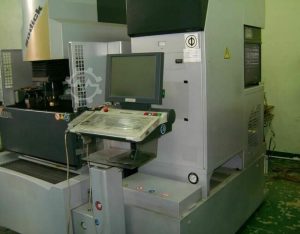
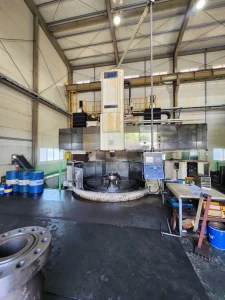
How many parts a CNC Vertical Machining Centre Machine consists of?
A CNC Vertical Machining Centre (VMC) is a highly complex and precise machine tool that is essential in manufacturing and engineering for producing parts with tight tolerances. The machine consists of numerous interconnected parts and systems, each playing a crucial role in its operation. Here’s a detailed breakdown of the main components of a CNC VMC:
1. Base and Column
- Base: The foundation of the machine, providing stability and support for all other components. It is usually made of cast iron or granite to absorb vibrations and ensure precision.
- Column: Mounted on the base, the column supports the spindle head and allows vertical movement. It is also typically made from cast iron for rigidity.
2. Spindle
- Spindle Motor: Drives the spindle, providing the power needed for cutting. It can vary in power depending on the machine’s specifications.
- Spindle: The rotating component that holds the cutting tool. It is a crucial part of the VMC as it determines the speed and torque applied to the workpiece.
- Spindle Bearings: High-precision bearings that support the spindle and ensure smooth and accurate rotation.
3. Worktable
- Table: The surface on which the workpiece is mounted. It can move in the X and Y directions to position the workpiece under the spindle.
- T-slots: Grooves on the table used to clamp workpieces or fixtures securely.
4. Axes and Drives
- X, Y, and Z Axes: Represent the three linear movements of the machine. The X-axis is horizontal, the Y-axis is perpendicular to the X-axis, and the Z-axis is vertical.
- Ball Screws: Provide precise linear motion for the axes. They convert rotary motion from the drive motors into linear motion.
- Linear Guides: Guide the movement of the table and the spindle head along the axes, ensuring smooth and precise motion.
5. Tool Changer
- Automatic Tool Changer (ATC): A system that automatically changes the cutting tools as needed. It increases efficiency by reducing manual tool changes.
- Tool Magazine: Holds a variety of cutting tools that the ATC can select from. It can be a carousel or a chain type.
6. Control System
- CNC Controller: The brain of the VMC, it interprets the CAD/CAM data and controls the machine’s movements and operations.
- Interface Panel: Allows the operator to input commands, adjust settings, and monitor the machine’s status.
7. Coolant System
- Coolant Pump: Circulates coolant to the cutting area to reduce heat and remove chips.
- Coolant Nozzles: Direct the coolant to the cutting tool and workpiece.
8. Chip Management
- Chip Conveyor: Automatically removes chips from the machining area, keeping the work area clean and reducing downtime.
- Chip Guard: Protects the machine and the operator from flying chips.
9. Safety Features
- Emergency Stop: Allows the operator to quickly halt the machine in case of an emergency.
- Safety Enclosures: Enclose the machining area to protect the operator from moving parts and debris.
10. Power Supply and Electrical Components
- Electrical Cabinet: Houses all the electrical components, including circuit breakers, power supplies, and wiring.
- Servo Motors: Provide precise control of the axes and spindle movements.
Detailed Explanation of Each Part
Base and Column
The base and column are fundamental to the machine’s structure, ensuring stability and rigidity. A well-designed base minimizes vibrations that can affect machining precision. The column’s vertical structure supports the spindle head’s movement, allowing the machine to work on taller workpieces and perform various operations.
Spindle
The spindle is the heart of the VMC. The spindle motor drives the spindle, which holds and rotates the cutting tool at high speeds. The spindle’s precision directly impacts the quality of the finished product. High-precision bearings support the spindle, ensuring minimal runout and smooth operation even at high speeds.
Worktable
The worktable’s design, including T-slots, facilitates versatile workholding options. The table’s movement along the X and Y axes positions the workpiece accurately under the spindle, enabling complex machining operations.
Axes and Drives
The axes and drives system is crucial for the machine’s precision. Ball screws convert the rotary motion of the drive motors into linear motion with high accuracy, while linear guides ensure smooth and precise movements along the axes. This system allows the VMC to perform intricate machining tasks with high repeatability.
Tool Changer
The Automatic Tool Changer (ATC) significantly enhances the machine’s productivity by reducing manual intervention. The tool magazine’s design allows it to hold multiple tools, which the ATC can swiftly change, enabling the VMC to perform various operations without downtime.
Control System
The CNC controller is the machine’s brain, interpreting CAD/CAM data to control the machine’s movements and operations. Advanced controllers offer user-friendly interfaces, allowing operators to program complex machining operations, adjust settings, and monitor the machine’s status.
Coolant System
Effective cooling is essential to maintain tool life and machining precision. The coolant system reduces the heat generated during machining and removes chips from the cutting area, preventing tool wear and workpiece deformation.
Chip Management
Efficient chip management is crucial for maintaining a clean work environment and preventing chip buildup, which can affect machining precision. Chip conveyors automatically remove chips, reducing manual cleaning efforts and downtime.
Safety Features
Safety features like emergency stops and safety enclosures protect the operator and the machine. The emergency stop allows the operator to quickly halt the machine in case of an emergency, while safety enclosures prevent access to moving parts and contain debris.
Power Supply and Electrical Components
The electrical cabinet houses all the machine’s electrical components, including circuit breakers and power supplies. Servo motors provide precise control of the machine’s movements, ensuring accurate and consistent machining operations.
Conclusion
The CNC Vertical Machining Centre consists of a complex assembly of parts and systems, each designed to perform specific functions with high precision and efficiency. The synergy between these components ensures that the VMC can produce intricate and precise parts with minimal human intervention. Continuous advancements in technology and engineering further enhance the capabilities and efficiency of these machines, solidifying their essential role in modern manufacturing.